Record Tourism Growth Sets the Stage for the Next Challenge
Morocco’s tourism sector reached a historic milestone in 2025, with record international arrivals confirming the country’s growing appeal as a global destination. Strong promotion, expanding infrastructure, and diverse travel experiences helped Morocco strengthen its position among Africa’s leading tourism markets.
Yet the next stage of development requires more than rising visitor numbers. Morocco has set a clear objective of welcoming 26 million tourists by 2030. Reaching this target demands structural improvements that extend beyond marketing campaigns or rapid expansion.
The sector is now entering a phase where consolidation and quality improvement become central priorities. Tourism authorities and industry stakeholders increasingly focus on strengthening air connectivity, expanding visitor experiences, and ensuring that tourism development reaches more regions across the country.
Air Connectivity as a Strategic Growth Driver
Air transport remains one of the most decisive factors in Morocco’s tourism strategy. Expanded airline routes and partnerships have already helped increase visitor flows, particularly from European markets.
Future growth will depend on deeper connections with long-haul markets such as North America, Asia, and the Middle East. Additional direct routes and increased airport capacity can significantly improve Morocco’s accessibility for international travelers.
Improved connectivity also plays a key role in distributing tourism activity across the country. While cities such as Marrakech, Casablanca, and Agadir receive the majority of visitors, stronger air networks could open opportunities for emerging destinations and secondary cities.
Diversifying Experiences to Extend Visitor Stays
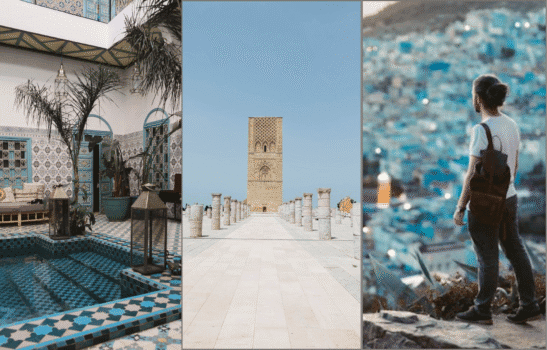
Morocco’s tourism offer has long been built around iconic experiences, including historic medinas, desert landscapes, and Atlantic beaches. While these attractions remain powerful drivers of demand, diversification will shape the next stage of growth.
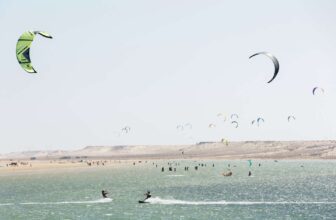
Expanding cultural programming, festivals, sports tourism, and gastronomy experiences can enrich the visitor journey and encourage longer stays. Travelers increasingly seek immersive activities that connect them with local traditions and contemporary Moroccan culture.
Developing year-round tourism also remains a strategic objective. Cultural events, outdoor activities, and regional festivals allow destinations to attract visitors outside traditional peak seasons.
Improving Quality Across the Tourism Ecosystem
International travelers now place greater emphasis on service quality, authenticity, and reliability. Maintaining competitiveness therefore requires continuous improvements in hospitality standards.
Investments in accommodation quality, professional training, and visitor services can elevate Morocco’s reputation as a premium yet accessible destination. These improvements also include better urban mobility, clear tourism information systems, and reliable transport infrastructure.
Quality development ensures that visitor satisfaction remains high while encouraging repeat travel and positive global perception.
Building Sustainable and Locally Anchored Tourism
Long-term tourism success depends on deeper integration with local communities and regional economies. Encouraging rural tourism, supporting local crafts, and preserving cultural heritage help distribute tourism benefits across the country.
This territorial approach strengthens local entrepreneurship while protecting the authenticity that attracts travelers in the first place. At the same time, sustainable tourism policies help manage environmental pressure on sensitive landscapes such as mountain ecosystems, desert regions, and coastal areas.
From Rapid Expansion to Strategic Consolidation
Morocco’s tourism sector now stands at a pivotal moment. The strong performance recorded in 2025 demonstrates the country’s global appeal and the effectiveness of long-term investments in infrastructure and promotion.
However, achieving the objective of 26 million visitors by 2030 will depend on a balanced strategy focused on connectivity, diversification, quality improvement, and sustainable regional development.
This phase of consolidation aligns with Morocco’s broader vision to strengthen its international tourism brand while preparing for major global events and long-term destination growth.
Related: