Morocco rewards travelers who move on foot. Its cities were designed for walking long before cars reshaped urban space. Narrow medina streets, layered souks, coastal promenades, and hillside kasbahs encourage exploration at a human pace. For visitors preparing for events like the 2030 World Cup, walking tours offer a deeper way to understand the country beyond stadiums and headlines.
Why Slow Travel Works in Morocco
Moroccan urbanism developed around proximity. Markets sit near mosques. Riads cluster inside fortified walls. Public squares function as social theaters. This structure supports immersive walking circuits that combine architecture, gastronomy, and daily life within a few kilometers.
Global travel data shows growing demand for experiential tourism. According to UN Tourism reports, cultural and heritage travel accounts for roughly 40 percent of global tourism flows. Morocco, with nine UNESCO World Heritage Sites, fits this demand naturally. Walking tours translate heritage into lived experience.
Instead of rushing between landmarks, travelers can observe artisans shaping leather in Fez, fishermen repairing nets in Essaouira, or café regulars debating football in Casablanca. These moments shape perception more strongly than a checklist of monuments.
Marrakech: Medina Circuits and Hidden Riads
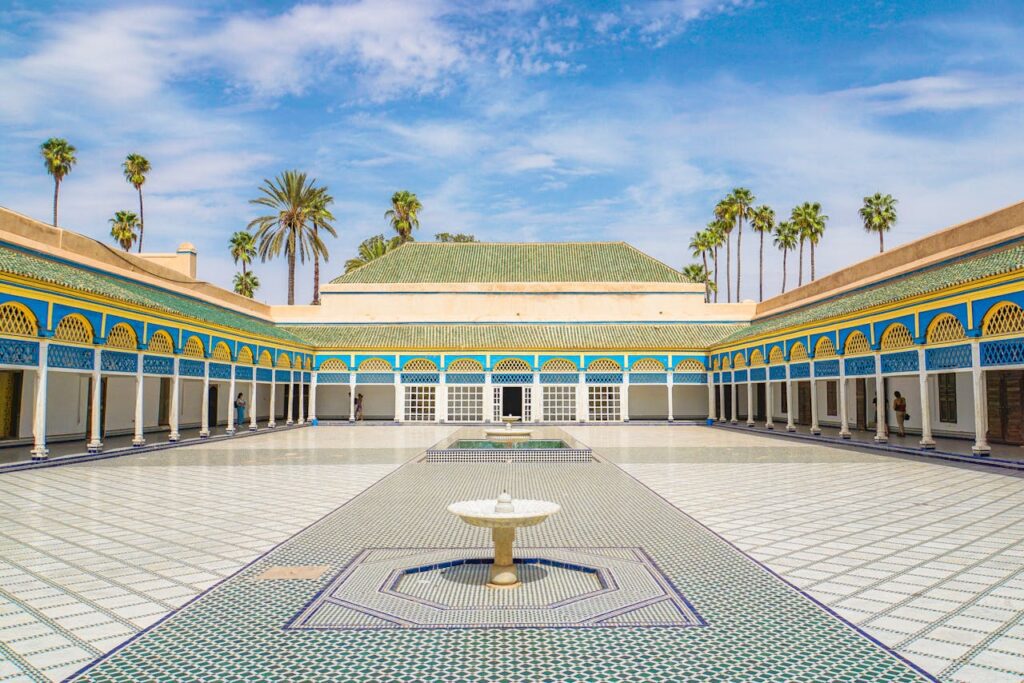
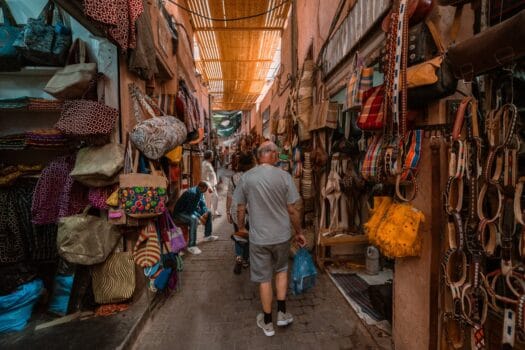
In Marrakech, walking defines the experience. The medina operates as a living labyrinth. A typical slow itinerary begins at Jemaa el-Fnaa, then branches into spice souks, metal workshops, and quiet derbs lined with riads.
A guided architectural walk often includes the Bahia Palace and the Ben Youssef Madrasa. However, the deeper value lies in transitions between sites. Guides explain water systems, courtyard ventilation, and the social logic of inward-facing homes. Visitors begin to understand how climate, religion, and commerce shaped urban design.
Evenings shift to rooftop terraces overlooking the call to prayer. This rhythm connects sound, light, and community in a way bus tours cannot replicate.
Related: Majorelle Garden: The Electric Blue Masterpiece of Marrakech
Fez: Craft, Memory, and Medieval Streets
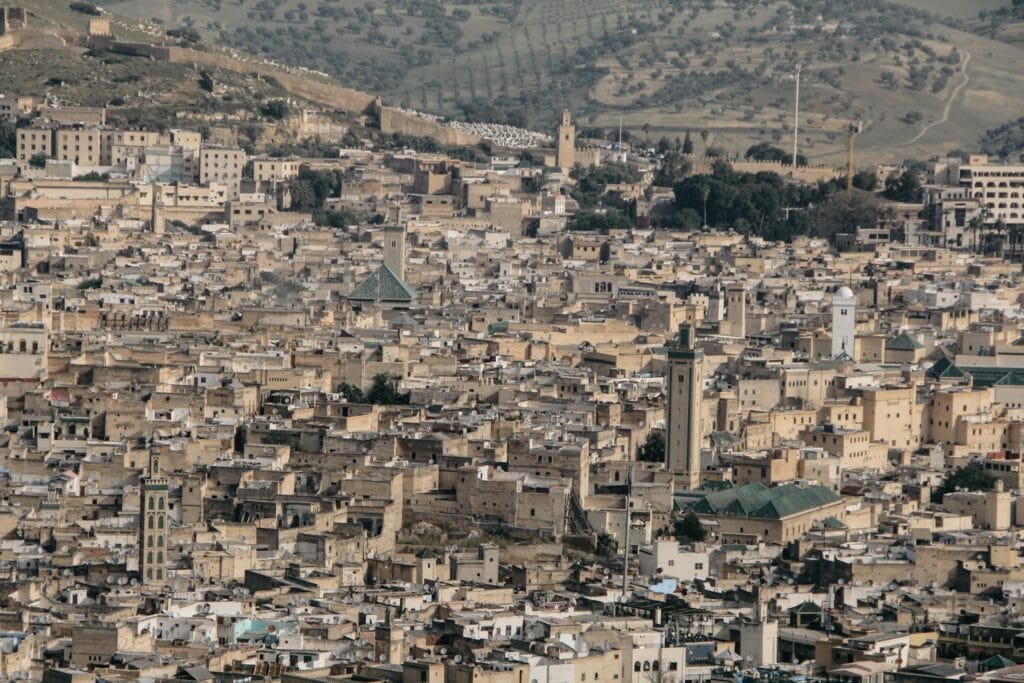
Photo by Matt Dany on Unsplash
Fez offers one of the world’s most intact medieval urban fabrics. Fez el-Bali contains over 9,000 alleys. Walking remains the primary mode of movement.
Tours often highlight the Chouara Tannery and the exterior of Al Quaraouiyine Mosque. Yet slow travel emphasizes process. Visitors observe artisans carving cedar, weaving silk, and binding manuscripts. Conversations reveal how family trades pass across generations.
This city rewards patience. Getting lost becomes part of the narrative. Each turn exposes layers of Andalusian, Arab, and Amazigh influence. Walking in Fez becomes an education in continuity.
Related: Chouara Tannery in Fes: The 900-Year-Old Leather Landmark Attracting Tourists Worldwide
Tangier: Where Continents Meet
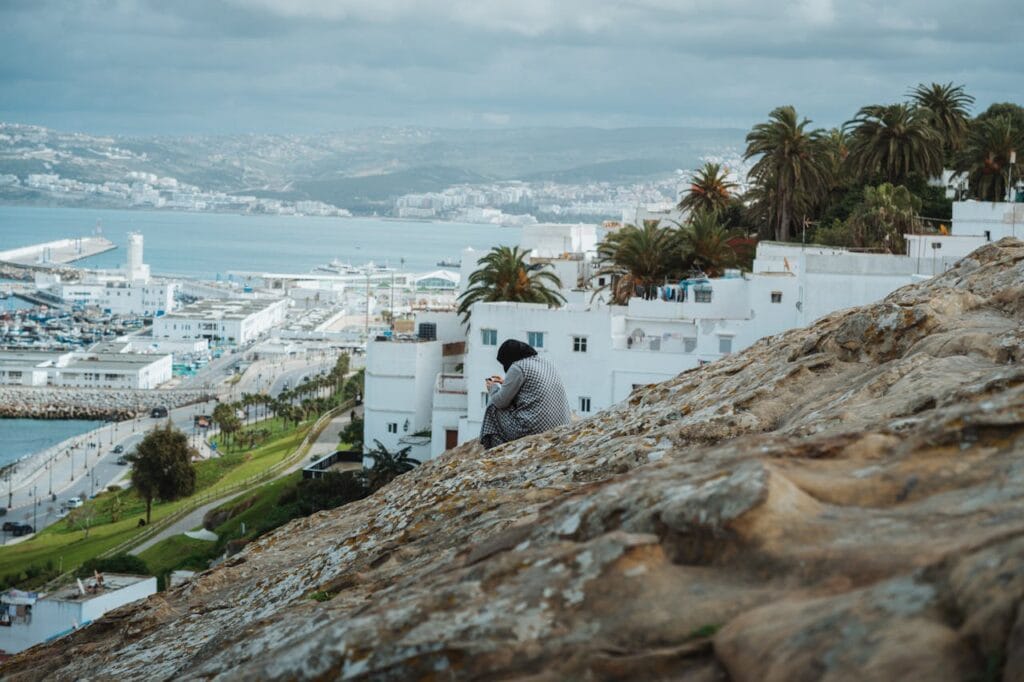
Photo by Hamza Yaich, via Pexels.
At the northern edge of the continent, Tangier blends African, European, and Atlantic identities. A walking route may begin in the kasbah overlooking the Strait of Gibraltar, continue through Petit Socco, and end along the corniche.
A stop at Cafe Hafa offers more than mint tea. Open since 1921, the terrace reflects the city’s literary and artistic heritage. Guides often reference figures such as Paul Bowles and the international writers who shaped Tangier’s twentieth-century myth.
The pace here feels lighter than in inland medinas. Sea air, wide boulevards, and hillside views create a distinct urban tempo.
Related: The Caves of Hercules in Tangier: Where Atlantic Power Meets Greek Mythology
Casablanca: Modernism and Memory
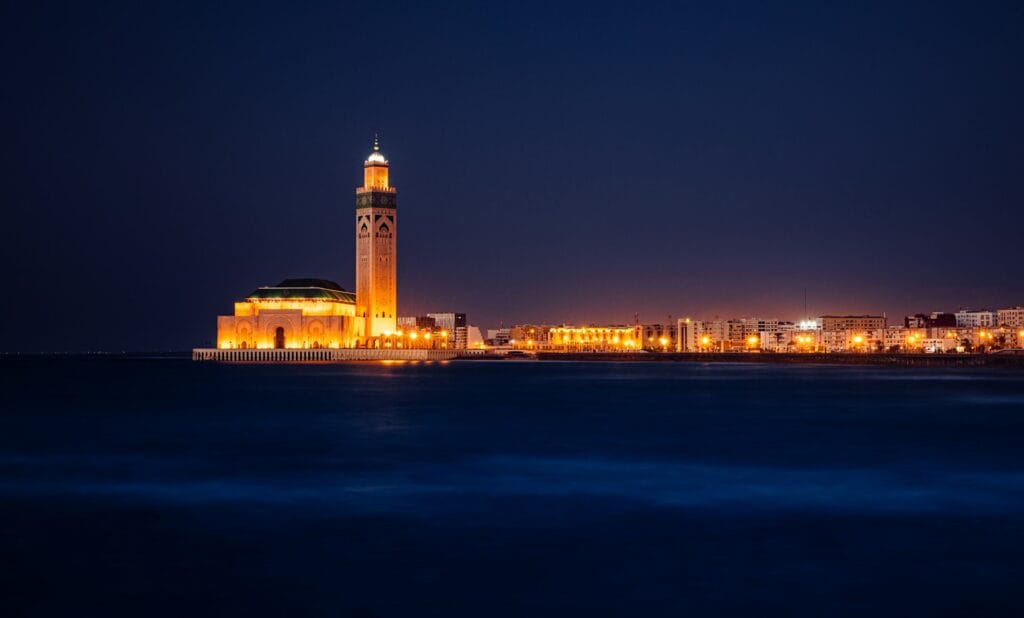
Casablanca presents a different model of slow travel. Founded as a major port under French administration, it features wide avenues and Art Deco architecture. Walking tours focus on Boulevard Mohammed V, cinema façades, and early twentieth-century apartment blocks.
The visit to Hassan II Mosque anchors many itineraries. Built partly over the Atlantic, it integrates traditional craftsmanship with modern engineering. From there, guides often move to the Habous Quarter to discuss urban planning strategies from the 1930s.
Casablanca challenges stereotypes. It shows Morocco’s industrial, financial, and design-oriented identity.
Essaouira and Coastal Routes
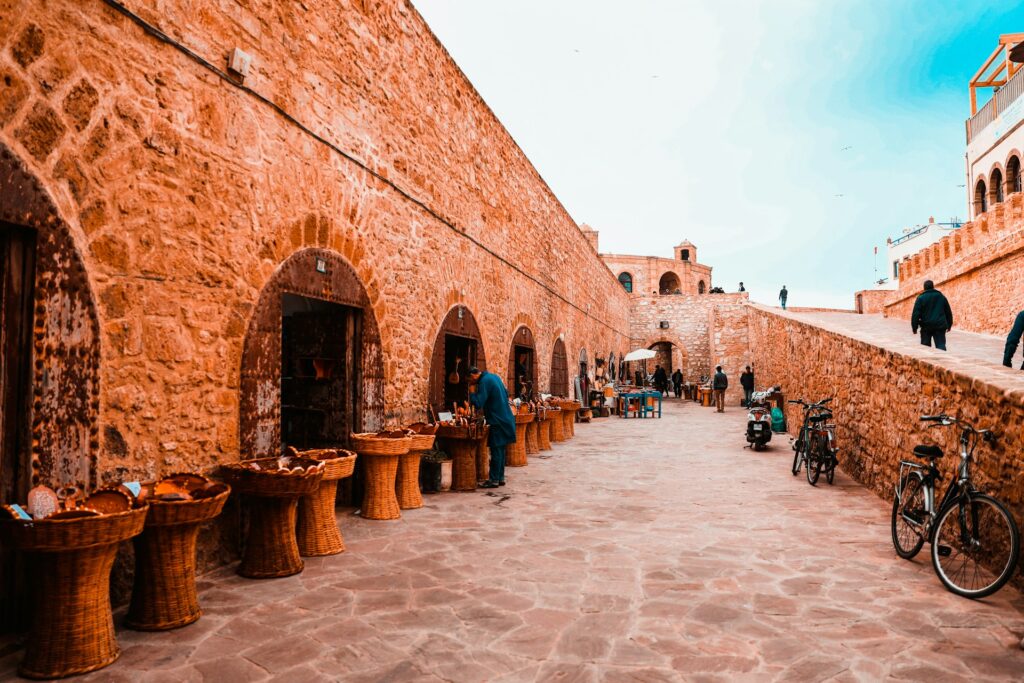
In Essaouira, walking links ocean and medina within minutes. The fortified ramparts overlook fishing boats painted blue. Art galleries occupy former merchant houses. Street musicians rehearse rhythms rooted in Gnawa heritage.
Visitors move from the port to the Skala de la Ville, then into craft cooperatives producing thuya wood objects. The scale remains intimate. Distances encourage repetition. Travelers often retrace routes at different times of day to observe changing light and activity.
Related: Essaouira’s Wind and Soul: Where Gnawa Music Meets the Atlantic
Economic and Social Impact
Walking tours generate distributed economic benefits. Instead of concentrating spending in large hotels or transport operators, they channel revenue toward local guides, cafés, artisans, and family-run riads. Studies in sustainable tourism indicate that community-based experiences increase per-visitor local retention of revenue.
Morocco’s preparation for major sporting events will draw global audiences. Slow travel ensures that these visitors engage beyond match schedules. A fan attending a game in Rabat can extend their stay with heritage walks, culinary tastings, and neighborhood explorations.
Practical Considerations
Successful walking requires planning. Certified local guides provide historical accuracy and access to restricted sites. Comfortable footwear and early morning departures improve the experience, especially in summer. Digital maps help orientation, yet many travelers choose to rely on human direction to preserve spontaneity.
Cities such as Marrakech, Fez, Tangier, Casablanca, and Essaouira already offer structured thematic tours focused on food, architecture, photography, and music. Expanding these formats across secondary cities like Meknes or Tetouan can diversify Morocco’s tourism portfolio ahead of 2030.
Walking Morocco reshapes perception. It replaces surface consumption with engagement. It transforms streets into classrooms and squares into stages. For a country investing heavily in infrastructure and global events, slow travel anchors development in culture and community.
Related: How to Get to Dakhla in 2026: Flights, Road Trips & Complete Travel Guide