
Photo by casa lalla takerkoust via Pexels
Lalla Takerkoust Lake Morocco stands as one of the most accessible natural escapes from Marrakech. Located about 35 kilometers southwest of the city, this artificial reservoir sits at the foothills of the High Atlas Mountains and attracts travelers seeking open landscapes, outdoor activities, and panoramic mountain views. The drive from central Marrakech usually takes between 40 and 50 minutes depending on traffic and the route chosen. Because of its proximity to the city, Lalla Takerkoust Lake has become a practical day trip for visitors who want to combine cultural exploration in Marrakech with time in a quieter natural setting.
The reservoir forms behind the Lalla Takerkoust dam, which authorities built in the early twentieth century to regulate water supply for agriculture in the Haouz plain. Over time the lake evolved from an irrigation infrastructure project into a recreational destination that now attracts hikers, cyclists, off-road drivers, and travelers interested in the surrounding Atlas landscapes. The wide expanse of water reflects the mountains on clear days, while the surrounding hills transition gradually into the rocky terrain of the nearby Agafay Desert.
Where Lalla Takerkoust Lake Is Located
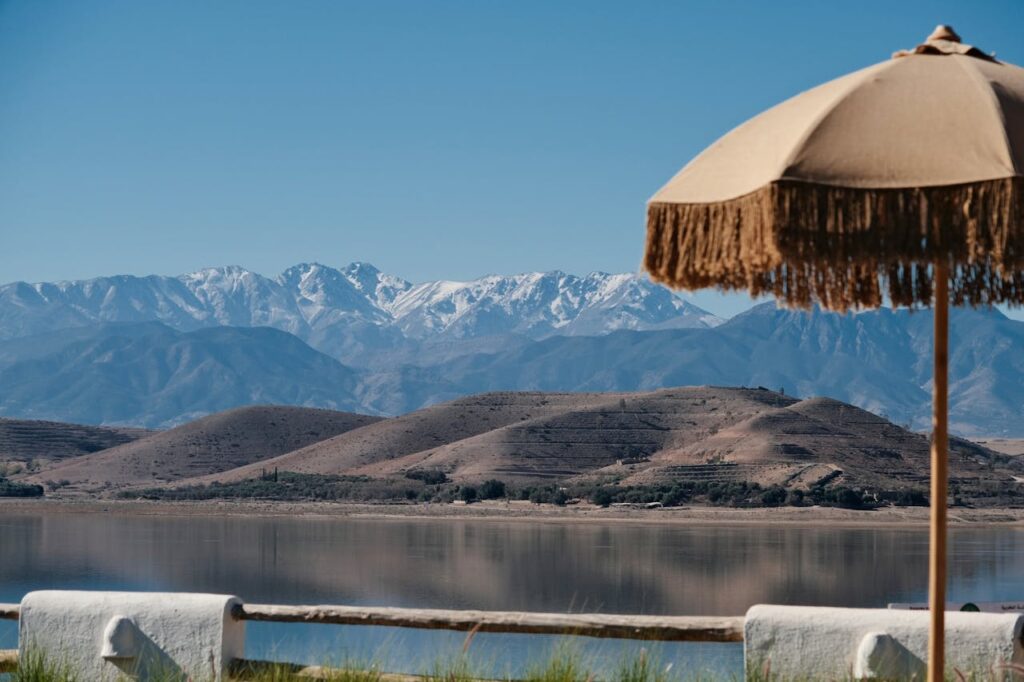
Lalla Takerkoust Lake lies along the road that connects Marrakech with the mountain village of Amizmiz. Travelers usually follow the P2010 road south from Marrakech until the landscape shifts from suburban districts to open farmland and rocky hills. As the route approaches the lake, the terrain becomes more rugged and the Atlas Mountains begin to dominate the horizon.
The reservoir extends for several kilometers across a valley surrounded by dry hills and agricultural terraces. On clear mornings the snow-covered peaks of the High Atlas appear in the distance, particularly during winter and early spring. This location places Lalla Takerkoust at the geographical transition between the fertile Haouz plain and the more mountainous terrain further south.
Because the area sits less than an hour from Marrakech, many tour operators integrate the lake into short excursions that combine mountain views, desert landscapes, and rural villages. The proximity also makes the site accessible for independent travelers who rent a car or arrange private transport.
The History and Purpose of the Reservoir
The lake exists because engineers constructed the Lalla Takerkoust dam in 1935 during the period when French colonial authorities developed large irrigation systems across Morocco. The project aimed to store water from the N’Fis River, which flows down from the High Atlas Mountains, and distribute it across the agricultural plains surrounding Marrakech.
This irrigation system allowed farmers to cultivate olive trees, vegetables, and cereals across the Haouz region. Although the infrastructure originally served agricultural purposes, the reservoir gradually attracted visitors because of its scenic surroundings. Restaurants and guesthouses began appearing along the shoreline as tourism in Marrakech expanded.
Today the dam continues to regulate water resources while the lake also functions as a leisure destination. The combination of water, mountain views, and nearby desert landscapes explains why Lalla Takerkoust Lake has become a common stop for travelers exploring the wider Marrakech region.
Outdoor Activities Around Lalla Takerkoust Lake
The environment surrounding Lalla Takerkoust Lake supports several outdoor activities that differ from the experiences available inside Marrakech. The open terrain allows visitors to walk or cycle along dirt roads that circle sections of the reservoir. Some travelers rent bicycles in Marrakech and ride toward the lake as part of longer cycling routes that connect the city with the Atlas foothills.
Quad biking and buggy tours operate across the dry hills surrounding the reservoir. These guided excursions follow tracks that climb low ridges overlooking the lake before descending into rocky valleys. Because the terrain contains compact earth rather than loose sand, vehicles can move across the landscape throughout most of the year.
Water activities also appear on the lake itself when water levels allow safe operation. Small boats, kayaking excursions, and jet ski rentals sometimes operate near restaurants along the shoreline. Seasonal fluctuations in rainfall influence water levels, which means that availability of these activities can vary between winter and late summer.
Exploring the Surrounding Villages
The region surrounding Lalla Takerkoust Lake includes several rural communities where agriculture remains the primary economic activity. Farmers cultivate olives, barley, and vegetables using irrigation channels connected to the reservoir. Visiting these villages allows travelers to observe daily life in the countryside near Marrakech.
Many guided tours combine the lake visit with short stops in nearby Berber villages located along the foothills of the Atlas Mountains. Local guides often explain how families adapted farming practices to semi-arid conditions. Traditional houses constructed from compact earth blend into the surrounding landscape, illustrating how architecture adapts to climate and available materials.
This rural environment contrasts sharply with the dense urban activity of Marrakech. Travelers who begin their day in the historic districts of the city often appreciate the change of pace once they arrive at the lake.
Connecting Lalla Takerkoust with the Agafay Desert
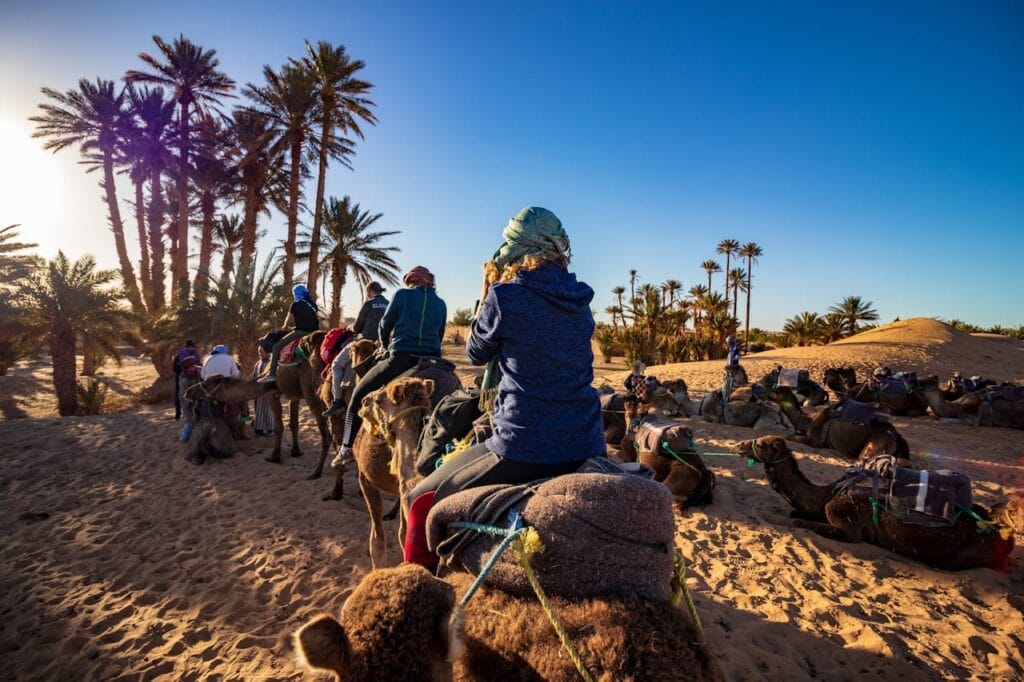
The lake sits only a short distance from the rocky plains of the Agafay Desert. Many tour operators therefore combine both locations within the same excursion. Visitors often stop at the lake first to enjoy views of the water and mountains before continuing toward the desert landscape located several kilometers away.
The Agafay region consists of mineral hills that resemble dunes despite their rocky composition. Travelers interested in exploring this nearby landscape can consult Agafay Desert Marrakech Guide, which explains how desert camps, sunset excursions, and adventure activities operate in the area.
This geographical proximity allows visitors to experience two distinct landscapes during a single outing from Marrakech. The calm surface of the reservoir contrasts with the dry hills of the desert plains that extend toward the Atlas Mountains.
Planning a Day Trip from Marrakech
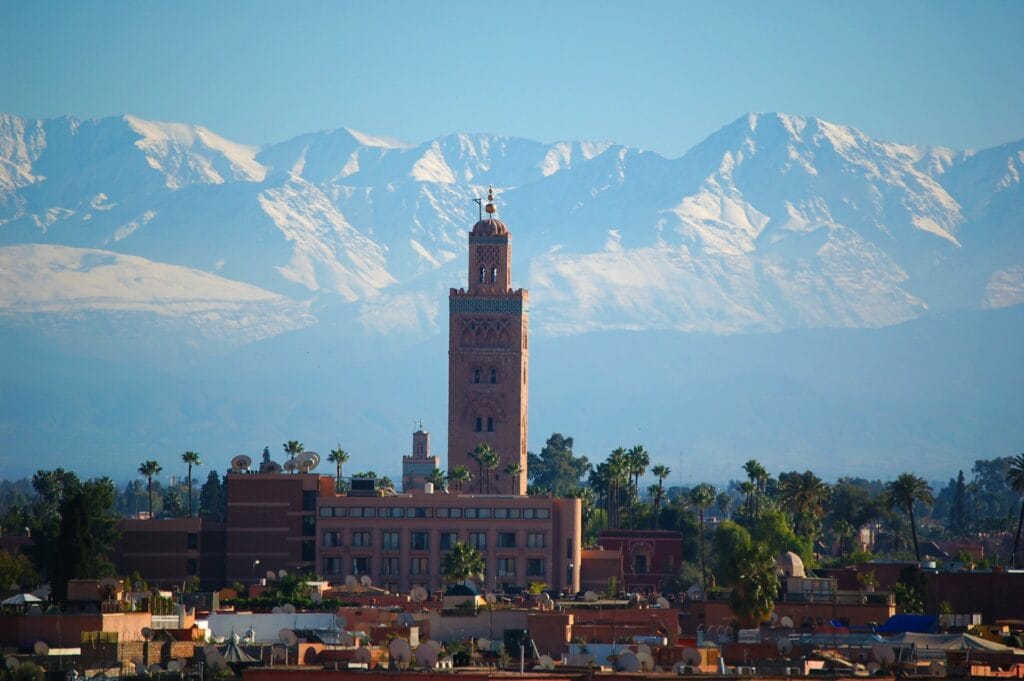
Most travelers reach Lalla Takerkoust Lake after spending time exploring the cultural attractions of Marrakech. Many itineraries begin with a morning visit to botanical gardens and historic sites before leaving the city during the afternoon. One of the most popular stops is the Jardin Majorelle, where visitors explore a famous botanical garden known for its distinctive cobalt blue architecture.
After leaving the gardens or the historic center, drivers typically follow the southern road toward Amizmiz. The route gradually leaves the dense neighborhoods of Marrakech and passes through agricultural areas before reaching the hills surrounding the reservoir.
Travelers interested in understanding the urban history of Marrakech before leaving the city can also explore the historic neighborhoods described in Marrakech Medina Streets History. These narrow streets illustrate how the city developed as a commercial and cultural center long before modern tourism began shaping travel itineraries.
Dining and Lakeside Restaurants
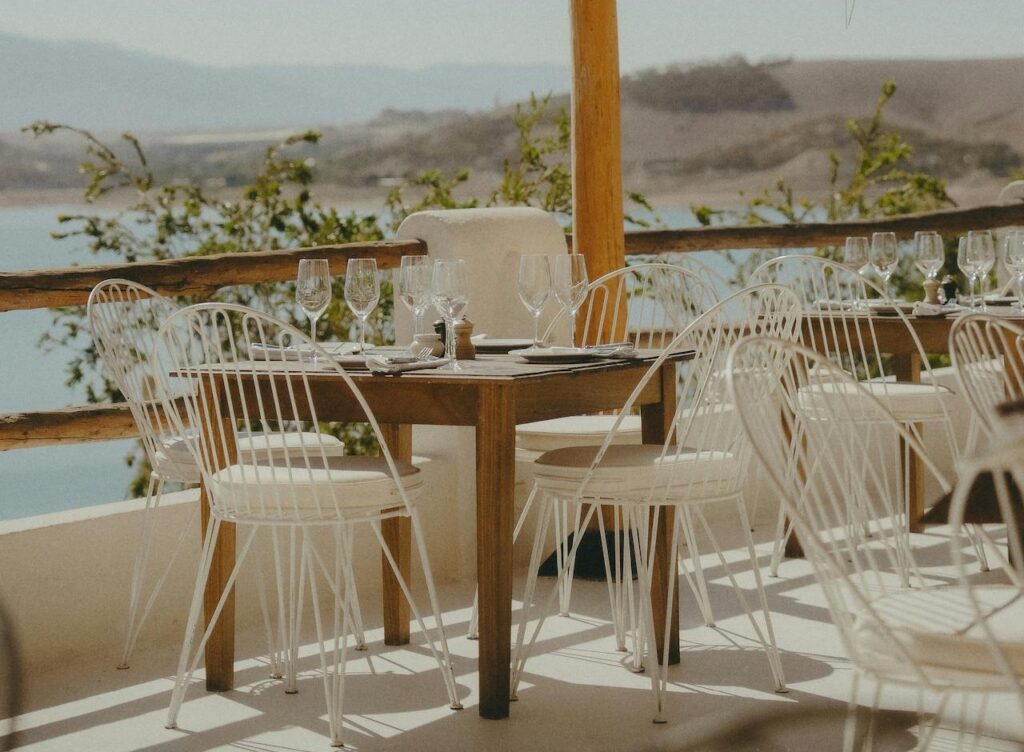
Several restaurants operate along the shoreline of Lalla Takerkoust Lake and serve traditional Moroccan dishes with views over the water. Many establishments specialize in grilled meats, tagine, and fresh salads prepared with local produce. Outdoor terraces often face the lake so visitors can observe the changing light across the surrounding hills.
Lunch stops at these restaurants often become the central pause during a day trip from Marrakech. Travelers frequently combine a lakeside meal with short walks along the shoreline before continuing toward nearby villages or desert landscapes.
Because the area remains relatively quiet compared with central Marrakech, the atmosphere tends to remain relaxed throughout the afternoon. Visitors who stay until sunset can observe the light shifting across the Atlas Mountains as temperatures gradually drop.
Best Time to Visit Lalla Takerkoust Lake
The lake remains accessible throughout the year, yet seasonal weather conditions influence the experience. Spring and autumn generally provide the most comfortable temperatures for outdoor exploration. During these months daytime conditions usually range between 20 and 28 degrees Celsius.
Summer temperatures in the Marrakech region often exceed 40 degrees Celsius during July and August. Travelers planning a visit during this period usually schedule excursions early in the morning or late in the afternoon to avoid extreme heat.
Winter months often provide the clearest views of the High Atlas Mountains. Snow frequently covers the highest peaks between December and February, which creates a dramatic contrast between the white mountain ridges and the dry hills surrounding the reservoir.
Returning to Marrakech After the Excursion
After spending several hours exploring the lake and nearby landscapes, most visitors return to Marrakech during the early evening. The drive back to the city takes less than one hour, which allows travelers to continue their exploration after sunset.
Evening activities inside the medina often provide a completely different atmosphere from the quiet landscapes surrounding the reservoir. Street musicians, storytellers, and tea vendors gather in public squares while cafés fill with residents and travelers. Visitors interested in experiencing this atmosphere can explore the scenes described in Night in Marrakech: Sounds, Street Performers, and Tea Rituals.
Many travelers also return to the traditional markets of the medina where artisans continue producing leather goods, lanterns, and textiles. The workshops presented in Souk Cherratine Marrakech illustrate how traditional craftsmanship remains an important part of the city’s economy.
Why Lalla Takerkoust Lake Remains an Important Day Trip
Lalla Takerkoust Lake Morocco offers travelers a clear opportunity to explore landscapes beyond the city while remaining close to Marrakech. The reservoir connects several distinct environments including agricultural plains, desert plateaus, and the foothills of the Atlas Mountains.
This geographical diversity allows visitors to experience rural Morocco without undertaking long journeys into remote regions. The short travel time from Marrakech makes the lake accessible for half-day or full-day excursions, which explains why it remains a frequent stop on regional travel itineraries.
As tourism in Marrakech continues to grow, locations such as Lalla Takerkoust provide important alternatives for travelers seeking quieter landscapes. The combination of mountain views, water, and nearby desert terrain ensures that the lake will remain one of the most practical natural escapes near Morocco’s most visited city.