Estimated reading time: 7 minutes
Planning a trip to Morocco or simply curious about one of North Africa’s most captivating countries? These 30 interesting facts about Morocco reveal a land of ancient cities, dramatic landscapes, deep traditions, global tourism appeal and surprising cultural contrasts.
Quick Facts About Morocco
- Official name: Kingdom of Morocco
- Capital: Rabat
- Total area: 710 850 km²
- Largest city: Casablanca
- Population: Around 38 million people
- Continent: Africa
- Government: Constitutional monarchy with a parliamentary system
- King: His Majesty King Mohammed VI
- Currency: Moroccan dirham, MAD
- Official languages: Arabic and Amazigh
- Main religion: Islam
30 Interesting Facts About Morocco
1. Morocco has a famous blue city
Chefchaouen, often called the Blue Pearl of Morocco, is one of the country’s most photographed destinations. Its blue-painted streets, mountain setting and relaxed medina atmosphere make it a favorite for travelers, photographers and culture lovers.
2. Marrakech is known as the Red City
Marrakech earned the nickname “Red City” because of its reddish clay walls, historic ramparts and traditional architecture. The city is one of Morocco’s most visited destinations, blending palaces, souks, gardens, riads and the famous Jemaa el-Fnaa square.
3. Morocco was among the first countries to recognize the United States
Morocco has one of the oldest diplomatic relationships with the United States. In 1777, Morocco opened its ports to American ships, making it one of the earliest nations to acknowledge U.S. independence.
4. Tourism is one of Morocco’s biggest economic engines
Morocco welcomed a record 19.8 million tourists in 2025, confirming its status as one of the fastest-growing travel destinations in Africa and the Mediterranean region.
5. Morocco has both Atlantic and Mediterranean coastlines
Few countries offer this kind of coastal variety. Morocco faces the Atlantic Ocean to the west and the Mediterranean Sea to the north, giving travelers access to surf towns, fishing ports, beach resorts and historic coastal cities.
6. The Sahara Desert begins in southern Morocco
Morocco is one of the gateway countries to the Sahara, the world’s largest hot desert. Popular desert experiences include Merzouga, Erg Chebbi, Zagora and camel treks through golden dunes.
7. Morocco has ski resorts
Many visitors associate Morocco with desert landscapes, but the High Atlas Mountains receive snow in winter. Oukaïmeden, near Marrakech, is one of Africa’s best-known ski areas.
8. Fez has one of the world’s greatest historic medinas
The Medina of Fez is a UNESCO World Heritage Site and one of the most extensive and best-preserved historic towns in the Arab-Muslim world. Its narrow lanes, workshops, mosques, schools and souks preserve centuries of urban heritage.
9. Morocco is home to one of the oldest universities in the world
The University of Al Quaraouiyine in Fez is widely recognized as one of the oldest continuously operating institutions of higher learning in the world.
10. Morocco has several UNESCO World Heritage Sites
Morocco’s UNESCO-listed places include the Medina of Fez, Ksar of Ait-Ben-Haddou, the Medina of Essaouira, the Historic City of Meknes, Volubilis and Rabat.
11. Ait-Ben-Haddou looks like a film set because it often is one
The fortified village of Ait-Ben-Haddou near Ouarzazate is a masterpiece of earthen architecture. Its cinematic landscape has attracted many international film productions.
12. Ouarzazate is called the Hollywood of Africa
Ouarzazate and its surrounding desert landscapes have hosted major film and television productions thanks to their dramatic scenery, studios and proximity to historic kasbahs.
13. Mint tea is a national symbol
Moroccan mint tea is more than a drink. It is a gesture of hospitality, often prepared with green tea, fresh mint and sugar, then poured from a height into small glasses.
14. Couscous is traditionally eaten on Fridays
Couscous is one of Morocco’s most iconic dishes. Many families prepare it on Friday after prayer, often with vegetables, chickpeas, meat or tfaya, a sweet onion and raisin topping.
15. Moroccan cuisine is one of the world’s richest culinary traditions
Moroccan food blends Amazigh, Arab, Andalusian, Mediterranean and African influences. Tagine, harira, pastilla, msemen, zaalouk and grilled sardines are among the dishes travelers should try.
16. Argan oil comes from Morocco
The argan tree grows mainly in southwestern Morocco. Argan oil is used in cooking, cosmetics and traditional care, and UNESCO recognizes argan-related know-how as intangible cultural heritage.
17. Morocco is a major sardine producer
Thanks to its long Atlantic coastline, Morocco is one of the world’s important sardine producers and exporters.
18. Arabic and Amazigh are official languages
Morocco’s official languages are Arabic and Amazigh. In daily life, many Moroccans speak Darija, the Moroccan Arabic dialect, while French, Spanish and English are also used in different regions and sectors.
19. Amazigh culture is central to Moroccan identity
The Amazigh people are Indigenous to North Africa and deeply connected to Morocco’s mountains, oases, villages, music, language, crafts and oral traditions.
20. Morocco is only a short distance from Europe
At the Strait of Gibraltar, Morocco and Spain are separated by a narrow stretch of water. Ferries connect northern Morocco with southern Spain, making the country a natural bridge between Africa and Europe.
21. Morocco has a high-speed train
Morocco launched Al Boraq (320 km/h), Africa’s first high-speed rail service, connecting Tangier, Kenitra, Rabat and Casablanca.
22. Casablanca is Morocco’s economic capital
Although Rabat is the political capital, Casablanca is Morocco’s largest city and main business hub, home to major companies, finance, industry and the Hassan II Mosque.
23. Rabat is a UNESCO-listed capital
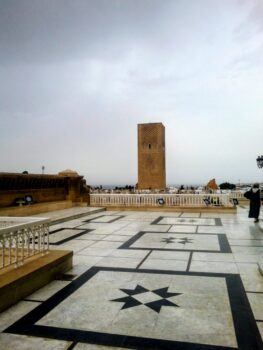
Rabat combines royal institutions, modern urban planning and historic sites such as the Kasbah of the Udayas, Hassan Tower and Chellah.
24. Moroccan souks are living cultural spaces
Souks are not just tourist markets. They remain important spaces for everyday trade, crafts, food, textiles, metalwork, spices, leather goods and social interaction.
25. Moroccan leather is world-famous
Fez is especially known for its traditional tanneries, where leather-making techniques have been passed down for generations.
26. Cats are everywhere in Moroccan cities
Visitors often notice cats in medinas, cafés and markets. They are part of the street life in cities such as Chefchaouen, Essaouira, Marrakech and Fez.
27. The right hand matters in Moroccan dining etiquette
In traditional settings, food may be eaten by hand, especially bread and shared dishes. The right hand is generally used for eating, greeting and giving.
28. Football is Morocco’s most popular sport
Football is followed passionately across the country. Morocco’s national team made history by reaching the semi-finals of the 2022 FIFA World Cup, becoming the first African and Arab team to do so.
29. Morocco will co-host the 2030 FIFA World Cup
Morocco, Spain and Portugal will co-host the 2030 FIFA World Cup, placing the country at the center of one of the world’s biggest sporting events.
30. Morocco is a country of contrasts
Morocco brings together deserts, mountains, beaches, imperial cities, Amazigh villages, modern infrastructure, ancient medinas and a powerful sense of hospitality. That contrast is what makes the country unforgettable.
Fun Facts About Morocco for Kids
- Morocco has a blue city called Chefchaouen.
- You can find snow and desert in the same country.
- The Barbary lion is a national symbol of Morocco.
- Moroccans love football.
- Many Moroccan streets are full of colors, spices, crafts and cats.
Travel Tips Before Visiting Morocco
- Carry some cash, especially in small towns, souks and taxis.
- Dress respectfully, especially in traditional neighborhoods and religious areas.
- Ask before photographing people.
- Use official guides in historic medinas if you want deeper context.
- Try local food, but choose busy, clean places with high turnover.
Related MoroccoBeat Guides
- Languages Spoken in Morocco
- Vegetarian Food in Morocco Guide
- Rabat Two-Day Cultural Loop
- Buying Safi Pottery in Morocco
FAQ: Interesting Facts About Morocco
What is Morocco best known for?
Morocco is best known for Marrakech, Chefchaouen, the Sahara Desert, Fez, mint tea, tagine, traditional souks, Amazigh culture, Atlantic beaches and historic medinas.
Is Morocco in Africa or the Middle East?
Morocco is in North Africa. Culturally, it also has strong Arab, Amazigh, Mediterranean, Andalusian and African influences.
What language do people speak in Morocco?
Arabic and Amazigh are official languages. Moroccan Arabic, known as Darija, is widely spoken. French is common in business, tourism and administration, while English is increasingly used in tourist areas.
What is the capital of Morocco?
Rabat is the capital of Morocco. Casablanca is the largest city and the country’s main economic hub.
Is Morocco popular with tourists?
Yes. Morocco is one of Africa’s leading tourism destinations and welcomed nearly 20 million visitors in 2025.
Final Thoughts
Morocco is not defined by one image. It is not only desert, not only Marrakech, and not only ancient medinas. It is a layered country where African, Amazigh, Arab, Atlantic, Mediterranean and modern influences meet. These 30 facts show why Morocco continues to fascinate travelers, historians, food lovers, football fans and curious readers around the world.