Estimated reading time: 6 minutes
Pratt Whitney Casablanca plant is quickly becoming one of the most strategic industrial developments in North Africa. With a new manufacturing facility in Casablanca, Morocco is reinforcing its position as a global aerospace hub while simultaneously boosting its tourism appeal and international visibility.
This expansion reflects a larger transformation. Morocco is no longer just a cultural destination. It is now a key player in advanced industries, attracting global leaders and reshaping how the world sees the country.
From industrial growth to improved infrastructure and rising business tourism, this project highlights how Morocco connects innovation, travel, and economic momentum in a single ecosystem.
The Pratt Whitney Casablanca plant marks a new step in Morocco’s industrial development. The global aerospace company continues to expand its footprint in the country, reinforcing Casablanca as a strategic hub for advanced manufacturing.
This investment reflects a broader dynamic. Morocco has steadily built a strong reputation in the aerospace sector, attracting major international players and developing a skilled workforce.
A new milestone for Morocco’s aerospace sector
The new manufacturing plant focuses on aircraft engine components. It aims to support global production while increasing efficiency and capacity.
Casablanca has become one of the key industrial zones in North Africa. Its infrastructure, logistics network, and proximity to Europe make it an ideal location for high-value manufacturing.
This expansion is not isolated. It follows years of investment in industrial ecosystems, training programs, and export-oriented strategies.
Why Morocco attracts aerospace leaders
- Strategic geographic location between Europe and Africa
- Competitive and skilled workforce
- Modern industrial zones and logistics infrastructure
- Stable business environment
These factors have positioned Morocco as a reliable partner in global supply chains.
Casablanca as an industrial gateway
Casablanca plays a central role in Morocco’s economy. The city combines industrial capacity, financial services, and international connectivity.
The development of aerospace activities adds another layer to its economic profile. It reinforces the city’s role as a gateway between continents.
The presence of global companies contributes to technology transfer and local expertise growth.
Immediate impact of the new plant
The plant is expected to create new jobs and support local suppliers. It also strengthens Morocco’s position in aircraft engine manufacturing.
This type of investment often generates indirect benefits, including training, innovation, and ecosystem development.
Next: how this expansion impacts tourism, infrastructure, and Morocco’s global image.
Pratt Whitney Casablanca Plant and Morocco’s Global Image
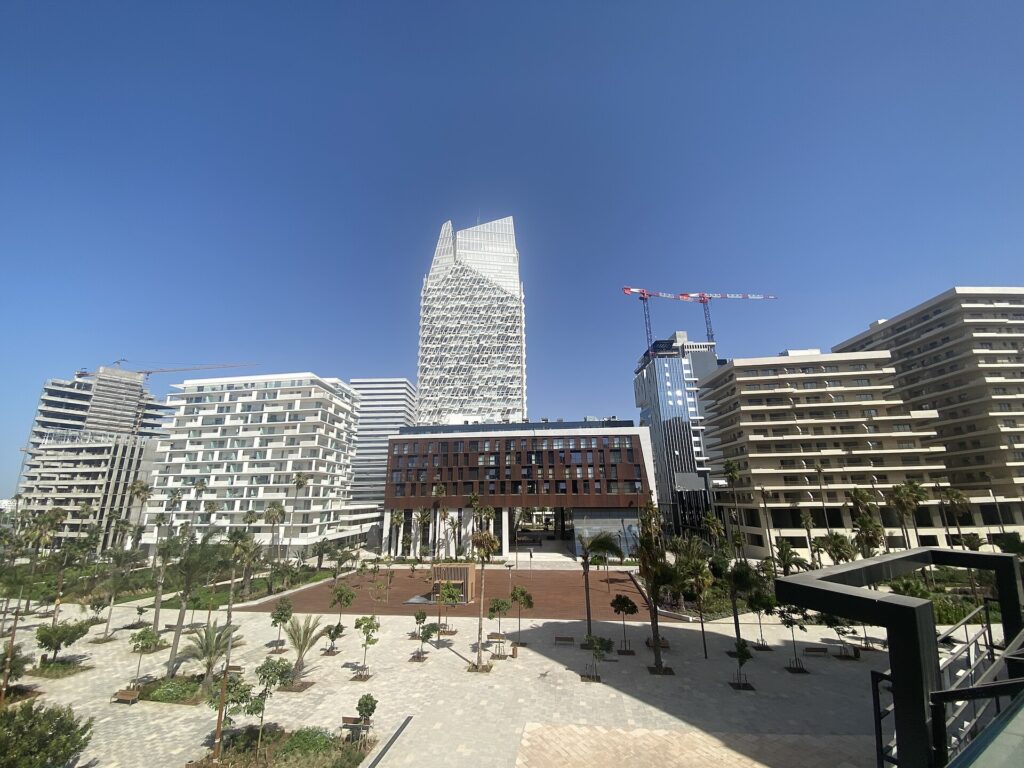
Casablanca reflects Morocco’s modern economic and industrial growth. Photo Credit: AyourAchtouk/ Wikimedia.org
The expansion of the Pratt Whitney Casablanca plant goes beyond industry. It contributes to Morocco’s global image as a modern and forward-looking destination.
Industrial development and tourism are increasingly connected. Visitors today look for countries that combine culture, infrastructure, and innovation.
How industry supports tourism growth
Major investments improve infrastructure, transport, and services. These upgrades benefit both business travelers and tourists.
Casablanca, often seen as an economic hub, is also evolving into a destination with modern amenities and improved accessibility.
The presence of global companies brings international professionals, events, and business travel.
Key tourism-related benefits
- Improved international connectivity
- Growth of business tourism
- Development of hotels and services
- Enhanced global visibility
This dynamic supports Morocco’s ambition to position itself as a leading destination in Africa.
A modern narrative for Morocco
Morocco is often associated with culture, history, and landscapes. While these elements remain central, the country is also building a strong modern identity.
Projects like this plant show a different dimension. They highlight innovation, industrial capacity, and global integration.
This balanced image attracts a wider range of visitors, from tourists to investors.
Local ecosystem and skills development
The aerospace sector requires specialized skills. The expansion encourages training programs and partnerships with local institutions.
Young professionals gain access to high-level opportunities without leaving the country.
This contributes to long-term economic stability and knowledge transfer.
Long-term ecosystem effects
- Growth of local suppliers
- Development of technical expertise
- Integration into global supply chains
- Increased innovation capacity
Next: strategic outlook, Morocco’s future positioning, and what this means for upcoming global events.
Future Outlook for Morocco’s Aerospace and Tourism Sectors
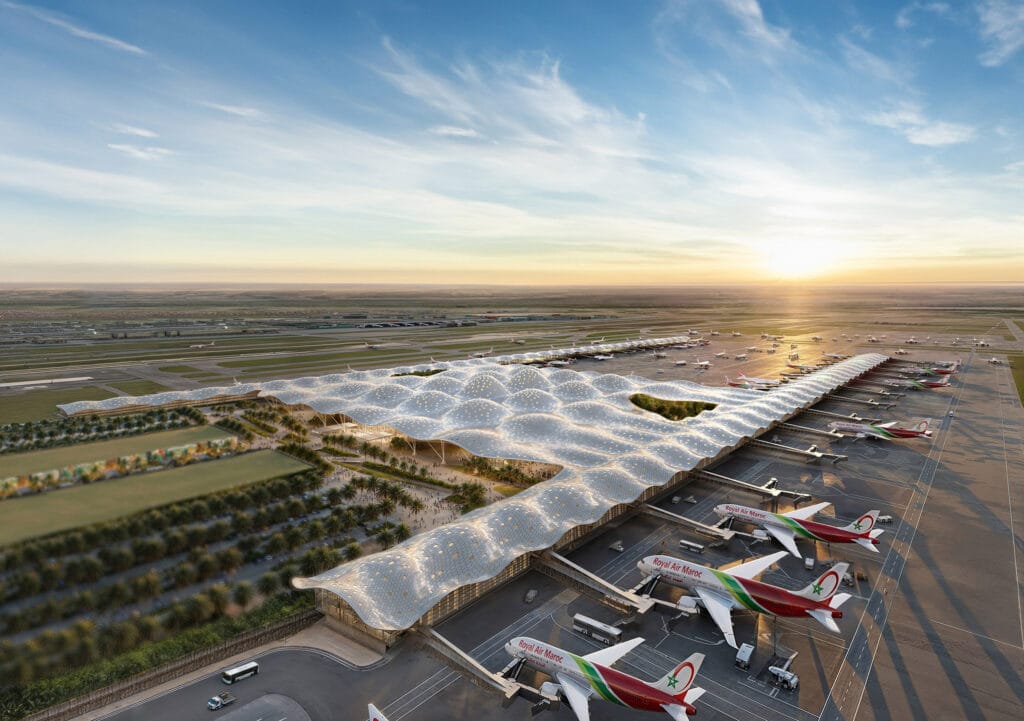
Infrastructure development supports both industry and tourism growth.
The Pratt Whitney Casablanca plant represents more than a single investment. It reflects a long-term strategy to position Morocco as a key player in global industries.
The country is preparing for major international events and increased global visibility in the coming years.
A strategic positioning for the future
Morocco continues to invest in infrastructure, transport, and industrial zones. These efforts create a strong foundation for sustainable growth.
The aerospace sector is part of a broader vision that includes automotive, renewable energy, and logistics.
This diversification strengthens resilience and attracts international partners.
Key strategic advantages
- Proximity to European markets
- Strong logistics and port infrastructure
- Growing industrial ecosystems
- Stable investment environment
Connection with global events
Morocco’s development aligns with its role in upcoming global events, including major sports competitions.
Infrastructure upgrades benefit both industry and tourism. Airports, roads, and services improve the overall visitor experience.
This synergy enhances Morocco’s attractiveness on the global stage.
What it means for travelers
For visitors, these developments translate into smoother travel, better services, and improved connectivity.
Casablanca becomes more than a transit city. It evolves into a destination that reflects modern Morocco.
Travelers can experience both tradition and innovation in one journey.
Why the Pratt Whitney Casablanca Plant Matters Globally
The Pratt Whitney Casablanca plant is part of a global shift in aerospace manufacturing. Companies are diversifying production locations to increase resilience and efficiency.
Morocco offers a rare combination of stability, proximity to Europe, and industrial readiness. This makes Casablanca a strategic node in global supply chains.
As demand for aircraft engines continues to grow, facilities like this one will play a critical role in meeting production needs.
Global implications
- Strengthening of diversified aerospace supply chains
- Reduction of production bottlenecks
- Increased collaboration between regions
- Acceleration of innovation and efficiency
This positions Morocco not only as a regional leader, but as a global contributor in high-tech manufacturing.
Conclusion
The expansion of Pratt & Whitney in Casablanca confirms Morocco’s growing role in global industries. It strengthens the country’s economic base while supporting its international image.
This type of investment creates a bridge between industry and tourism. It shows a Morocco that is dynamic, connected, and ready for the future.
For first-time visitors and returning travelers, the country offers an experience that combines heritage, innovation, and opportunity.
FAQ: Pratt Whitney Casablanca Plant and Morocco
Why did Pratt & Whitney choose Casablanca?
Casablanca offers a strategic location, skilled workforce, and strong infrastructure. These factors make it ideal for aerospace manufacturing and global distribution.
How does the new plant impact Morocco’s economy?
The plant creates jobs, supports local suppliers, and strengthens Morocco’s aerospace ecosystem while increasing foreign investment.
Does industrial growth affect tourism in Morocco?
Yes. Industrial investments improve infrastructure, attract business travelers, and enhance Morocco’s global image, which indirectly boosts tourism.
Is Casablanca becoming a global industrial hub?
Casablanca is rapidly growing as a hub for aerospace, logistics, and finance, positioning itself as a key gateway between Europe and Africa.
What does this mean for Morocco’s future?
This development confirms Morocco’s long-term strategy to combine industry, infrastructure, and tourism into a unified growth model.