Planning your first trip to Morocco can feel exciting and confusing at the same time. The country is close to Europe, deeply African, culturally Arab-Amazigh, and full of contrasts: ancient medinas, Atlantic beaches, mountain villages, modern railways, desert camps and world-famous hospitality.
Quick answer: For most first-time visitors, the best Morocco itinerary is 7 to 10 days, combining Marrakech or Fes, the Atlas Mountains, the Sahara Desert, and one coastal or northern stop such as Essaouira, Rabat, Tangier or Chefchaouen.
Morocco Travel Guide: Quick Facts for First-Time Visitors
| Topic | What First-Time Visitors Should Know |
|---|---|
| Best time to visit | March to May and September to November |
| Ideal trip length | 7 to 10 days for a balanced first trip |
| Currency | Moroccan Dirham, usually written as MAD |
| Main languages | Arabic, Amazigh, French, with English common in tourist areas |
| Best first city | Marrakech for energy, Fes for tradition, Rabat for calm |
| Travel style | Culture, food, history, nature, desert, beaches and slow travel |
Why Morocco Is a Great First-Time Destination
Morocco is one of the best countries for travelers who want a strong cultural experience without losing access to modern comforts. Major cities have international airports, hotels, riads, trains, guided tours, restaurants, mobile coverage and reliable transport options.
What makes Morocco special is the variety. In one trip, you can walk through the souks of Marrakech, explore the medieval medina of Fes, cross the High Atlas Mountains, sleep near Sahara dunes, eat fresh seafood in Essaouira and discover the blue streets of Chefchaouen.
Morocco also offers strong value compared with many European destinations. Travelers can choose between budget hostels, family-run riads, boutique hotels, luxury desert camps and high-end resorts.
Useful internal guide: How to Plan an International Trip to Morocco Step by Step.
Entry Requirements for Morocco in 2026
For tourism, many nationalities can visit Morocco without a visa for up to 90 days. However, travelers must check the rules for their own passport before booking, because visa exemptions depend on nationality.
The most important rule is simple: you need a passport to enter Morocco. A national ID card alone is not enough for most international travelers. Some airlines and border authorities may also expect your passport to be valid for several months beyond your travel dates, so checking validity before departure is essential.
| Document | Recommendation | Why It Matters |
|---|---|---|
| Passport | Check validity before booking | Required for entry and airline boarding |
| Visa | Depends on nationality | Many tourists can stay up to 90 days visa-free |
| Return ticket | Keep a copy ready | May be requested by airline or border control |
| Hotel booking | Save digital and printed copies | Useful on arrival |
Best Time to Visit Morocco
The best time to visit Morocco is usually spring and autumn. These seasons offer comfortable weather for medinas, mountains, beaches and desert trips.
| Season | Weather | Best For | First-Time Verdict |
|---|---|---|---|
| Spring: March-May | Mild and pleasant | Cities, mountains, gardens, desert | Best overall |
| Summer: June-August | Very hot inland | Beaches, coastal towns | Avoid desert and long city walks |
| Autumn: September-November | Warm and balanced | Full-country itineraries | Highly recommended |
| Winter: December-February | Cool, with snow in mountains | Budget travel, cities, Sahara | Good with warm clothing |
More detail: Best Time to Visit Morocco: Weather, Destinations, Festivals and Itinerary.
How Many Days Do You Need in Morocco?
For a first trip, 7 to 10 days is the best balance. Five days can work if you focus on one region, while two weeks gives you enough time for a deeper route including the north, coast and desert.
| Trip Length | Best Plan | Who It Suits |
|---|---|---|
| 5 Days | Marrakech + Atlas Mountains or Essaouira | Short city break |
| 7 Days | Marrakech, Atlas, Sahara, Fes | Classic first trip |
| 10 Days | Marrakech, Sahara, Fes, Chefchaouen, Rabat | Balanced cultural route |
| 14 Days | Imperial cities, desert, coast and north | Slow travel |
Best Places to Visit in Morocco for First-Time Travelers
Marrakech: Best First Stop for Energy and Color
Marrakech is the most popular first stop for many travelers. Its medina, souks, palaces, gardens and Jemaa el-Fnaa square create a powerful introduction to Morocco.
Stay two or three nights, ideally in a riad inside or near the medina. Visit Bahia Palace, Ben Youssef Madrasa, Koutoubia Mosque from outside, Majorelle Garden and the souks.
Fes: Best City for History and Tradition
Fes feels older, deeper and more traditional than Marrakech. Its medina is one of the world’s great historic urban spaces, filled with crafts, religious schools, markets, workshops and narrow lanes.
First-time visitors should consider hiring a licensed local guide for the medina. It makes the experience easier, safer and more meaningful.
Useful guide: What Is a Medina in Morocco?
Rabat: Best for a Calm Capital Experience
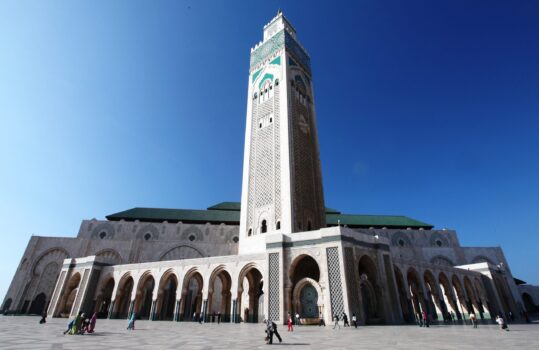
Rabat is clean, organized and relaxed compared with Marrakech and Fes. It is ideal for travelers who want history without overwhelming crowds. Highlights include the Kasbah of the Udayas, Hassan Tower, Mohammed V Mausoleum and the Atlantic coastline.
Chefchaouen: Best for Photography and Slow Travel
Chefchaouen, Morocco’s famous blue city, is perfect for a slower pace. Its blue-painted streets, mountain backdrop and relaxed atmosphere make it one of the most memorable stops in northern Morocco.
Related inspiration: Most Instagrammable Places in Morocco.
Essaouira: Best Coastal Stop
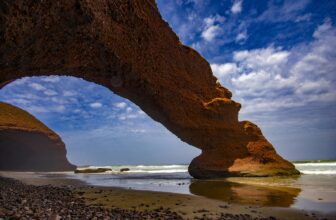
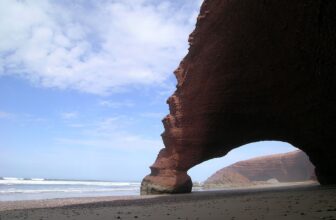
Essaouira is one of the easiest coastal cities to add to a first Morocco itinerary. It has a UNESCO-listed medina, sea walls, art galleries, seafood restaurants and a relaxed Atlantic mood.
Beach guide: The Most Beautiful Beaches in Morocco.
The Sahara Desert: Best Iconic Adventure
The Sahara Desert is one of Morocco’s most unforgettable experiences. The most popular dunes for first-time visitors are around Merzouga and Erg Chebbi. Most travelers reach the desert through a multi-day route from Marrakech or Fes.
A desert trip usually includes the High Atlas Mountains, Ait Ben Haddou, Dades Valley, Todra Gorge, camel or 4×4 experiences and a night in a desert camp.
Desert planning guide: Sahara Desert Weather and Temperature in Morocco.
Suggested 7-Day Morocco Itinerary for First-Time Visitors
| Day | Place | Main Experience |
|---|---|---|
| Day 1 | Marrakech | Arrival, riad check-in, Jemaa el-Fnaa |
| Day 2 | Marrakech | Souks, Bahia Palace, gardens, food |
| Day 3 | High Atlas | Ait Ben Haddou and mountain scenery |
| Day 4 | Dades or Todra | Valleys, kasbahs and road trip |
| Day 5 | Merzouga | Sahara dunes and desert camp |
| Day 6 | Fes | Travel north and evening walk |
| Day 7 | Fes | Medina, crafts, tanneries and departure |
How to Get Around Morocco
Getting around Morocco is easier than many first-time visitors expect. Trains connect major cities such as Casablanca, Rabat, Tangier, Marrakech and Fes. Buses, private transfers and rental cars are better for areas not served by rail.
| Transport | Best For | First-Time Tip |
|---|---|---|
| Train | Major city routes | Book ahead on busy routes |
| Bus | Cities without train access | Use reputable companies |
| Taxi | Short city rides | Ask for the meter or agree on price first |
| Private driver | Desert and mountain routes | Best for comfort and flexibility |
Full transport guide: How to Get Around Morocco.
How Much Does a Trip to Morocco Cost?
Morocco can be affordable, mid-range or luxurious depending on your choices. Riads, local restaurants and shared tours can keep costs reasonable, while private drivers and luxury camps increase the budget.
| Travel Style | Estimated Daily Budget | What It Includes |
|---|---|---|
| Budget | $35-$60 per day | Hostels, simple meals, public transport |
| Mid-range | $70-$140 per day | Riads, restaurants, guided visits, trains |
| Comfort/Luxury | $180+ per day | Boutique hotels, private transfers, premium camps |
Budget tip: How to Find Cheap Flights to Morocco.
Money, ATMs and Payments in Morocco
The Moroccan Dirham is a closed currency, meaning it is usually easiest to withdraw or exchange money after arrival. Cards are accepted in many hotels, modern restaurants and larger shops, but cash is still essential in souks, small cafés, taxis and rural areas.
Carry small notes for tips, taxis, snacks and market purchases. Avoid relying only on cards.
Useful guide: Morocco Money Exchange Guide.
Culture and Etiquette Tips
Morocco is welcoming, but it is also culturally conservative in many places. Respectful behavior helps visitors have better interactions and avoid misunderstandings.
- Dress modestly, especially in rural areas and religious surroundings.
- Ask before photographing people.
- Use your right hand when eating traditionally or giving something.
- Accept mint tea politely when offered, if you have time.
- Bargain respectfully in souks; it is part of the experience.
- During Ramadan, be discreet when eating or drinking in public outside tourist-heavy areas.
More cultural tips: Visiting Morocco During Ramadan.
How to Bargain in Moroccan Souks
Bargaining is normal in Moroccan markets, especially for souvenirs, carpets, leather goods, ceramics, lamps and handmade items. The goal is not to pressure the seller but to reach a fair price through friendly negotiation.
| Step | What to Do |
|---|---|
| Ask the price | Do not look too eager immediately |
| Counter politely | Start lower than your real maximum |
| Smile | Keep the tone friendly, not aggressive |
| Walk away if needed | Only buy when the price feels fair |
Detailed guide: How to Bargain in Moroccan Souks.
Is Morocco Safe for First-Time Visitors?
Morocco is generally safe for tourists, especially in major travel areas. The main issues first-time visitors may face are petty theft, overcharging, unwanted guiding in medinas and confusion around taxi prices.
Basic precautions are enough for most trips: keep valuables secure, use official transport when possible, avoid empty streets late at night, confirm prices in advance and book desert tours or guides through reputable providers.
What to Pack for Morocco
| Item | Why You Need It |
|---|---|
| Comfortable walking shoes | Medinas involve lots of walking |
| Light layers | Temperatures change by region and season |
| Scarf or light cover | Useful for sun, wind and modesty |
| Power bank | Helpful on long travel days |
| Small cash pouch | Useful for markets and taxis |
Common First-Time Mistakes to Avoid
- Trying to see too many cities in too few days.
- Forgetting that desert trips require long driving times.
- Arriving without a valid passport.
- Booking accommodation far from the medina without checking transport.
- Assuming cards are accepted everywhere.
- Not checking the weather differences between coast, mountains, cities and desert.
- Choosing the cheapest desert tour without checking what is included.
Final Verdict: Is Morocco Worth Visiting for a First Trip?
Yes. Morocco is one of the most rewarding countries for first-time visitors who want culture, history, food, landscapes and adventure in one trip. The key is to plan realistically, respect local customs and avoid rushing.
Start with one or two major cities, add one nature experience, and leave space for slow discovery. Morocco is not a destination to simply tick off a list. It is a country to experience through its streets, flavors, sounds, landscapes and people.
Best first-time Morocco route: Marrakech → Atlas Mountains → Sahara Desert → Fes → Rabat or Chefchaouen. Add Essaouira if you want a coastal ending.
FAQ: Morocco Travel Guide for First-Time Visitors
Is Morocco good for first-time travelers?
Yes. Morocco is a good destination for first-time visitors because it offers strong tourism infrastructure, diverse experiences, affordable travel options and many guided services.
How many days are enough for Morocco?
Seven to ten days is ideal for a first trip. It allows enough time for Marrakech or Fes, the Atlas Mountains, the Sahara Desert and one extra cultural or coastal stop.
What is the best month to visit Morocco?
April, May, September and October are among the best months because the weather is usually comfortable for cities, mountains and desert routes.
Do I need a passport to travel to Morocco?
Yes. International travelers generally need a passport to enter Morocco. A national ID card is not enough for most travelers, and passport validity should be checked before booking.
Is Morocco expensive?
Morocco can be affordable or expensive depending on your travel style. Budget travelers can manage with modest daily costs, while private tours, luxury riads and premium desert camps increase the budget.
Is English spoken in Morocco?
English is increasingly spoken in tourist areas, especially in Marrakech, Fes, Casablanca, Rabat, Tangier and popular hotels or tours. French, Arabic and Amazigh remain widely used.
Can you drink tap water in Morocco?
Many travelers prefer bottled water to avoid stomach issues, especially on short trips. Bottled water is widely available and inexpensive.
What should I wear in Morocco?
Comfortable and modest clothing is recommended. In cities, styles vary widely, but in rural areas and religious surroundings it is better to cover shoulders and knees.