Estimated reading time: 3 minutes
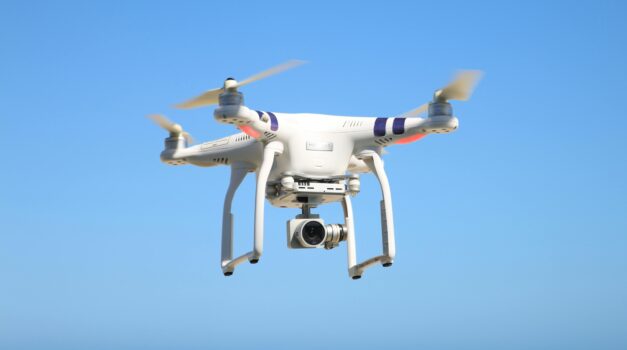
Are drones banned in Morocco? Not exactly. Drone use in Morocco is not illegal, but it is strictly regulated. Whether for commercial, artistic, industrial, or technical purposes, operating a drone requires official authorization.
The regulations aim to protect national security, privacy, and controlled airspace. Here is everything you need to know before bringing or flying a drone in Morocco.
Table of Contents
- 1. Are Drones Illegal in Morocco?
- 2. Can I Bring My Drone to Morocco?
- 3. Import License Requirements
- 4. Flight Authorizations in Morocco
- 5. Filming & Aerial Photography Permits
- 6. Insurance Requirements
- 7. Penalties for Illegal Drone Use
- 8. Can Tourists Bring Drones to Morocco?
- 9. FAQ – Drone Rules in Morocco
1. Are Drones Illegal in Morocco?
No. Drone usage is not illegal in Morocco. However, it is subject to strict government regulation. Each drone operation must comply with security, privacy, and airspace laws.
2. Can I Bring My Drone to Morocco?
Since February 2015, importing drones into Morocco without prior authorization has been prohibited.
Any drone brought into the country without the required import license may be confiscated at customs, and legal penalties may apply.
3. Import License: A Mandatory First Step
Before flying a drone in Morocco, professional operators must first obtain an official import license.
- Issued by competent Moroccan authorities
- Mandatory before entering Moroccan territory
- Without it, equipment is blocked at customs
4. Flight Authorizations in Morocco
Even with a licensed drone, every flight requires temporary authorization from local authorities (often the regional Wilaya).
The average processing time is approximately 15 days from submission.
The request must specify:
- Exact location of operation
- Purpose (filming, inspection, event coverage, etc.)
- Date and duration of the flight
Strictly prohibited zones include:
- Airports
- Military installations
- Official buildings
- Border areas
Violations can lead to administrative and criminal penalties.
5. Filming & Aerial Photography Permits
For any activity involving aerial filming (films, commercials, documentaries, music videos), an additional permit from the Moroccan Cinematographic Center (CCM) is mandatory.
This approval complements the local flight authorization and ensures legal oversight of recorded content.
6. Insurance & Civil Liability
Professional drone operators in Morocco must hold civil liability insurance.
This insurance covers potential third-party damages and is often required when applying for flight authorization.
7. What Happens If You Fly a Drone Illegally?
Illegal drone operations in Morocco can result in:
- Confiscation of the drone
- Substantial fines
- Possible imprisonment depending on the severity
Respecting regulations is essential to avoid serious legal consequences.
8. Can Tourists Bring Drones to Morocco?
No. Tourists are not permitted to import or operate drones in Morocco.
It is strongly recommended not to travel with a drone to avoid complications at customs. For aerial footage, hiring licensed local professionals is the safest option.
9. FAQ – Drone Rules in Morocco
Are drones completely banned in Morocco?
No. They are regulated, not banned. Proper authorization is required.
How long does flight authorization take?
Approximately 15 days, depending on the region.
Can tourists use recreational drones?
No. Recreational drone use by tourists is not authorized.
Is insurance mandatory?
Yes, for professional drone activities.
Final Insight: Operating a drone in Morocco is possible — but only with strict compliance. Planning ahead, obtaining the proper licenses, and working with certified professionals are essential for legal and secure operations.
Source: Fly-Drones.com
Related Tech & Security Reads:
- Rabat’s Smart Camera Network: How 4,000 Devices Will Redefine Urban Security
- Morocco Ranked Safest Country in Africa for Business, Says Allianz Trade
- AI Strategy: Morocco Aims to Become a Regional Leader in Artificial Intelligence
- Morocco Launches “Stay Cashless” to Accelerate Digital Payments in Tourism