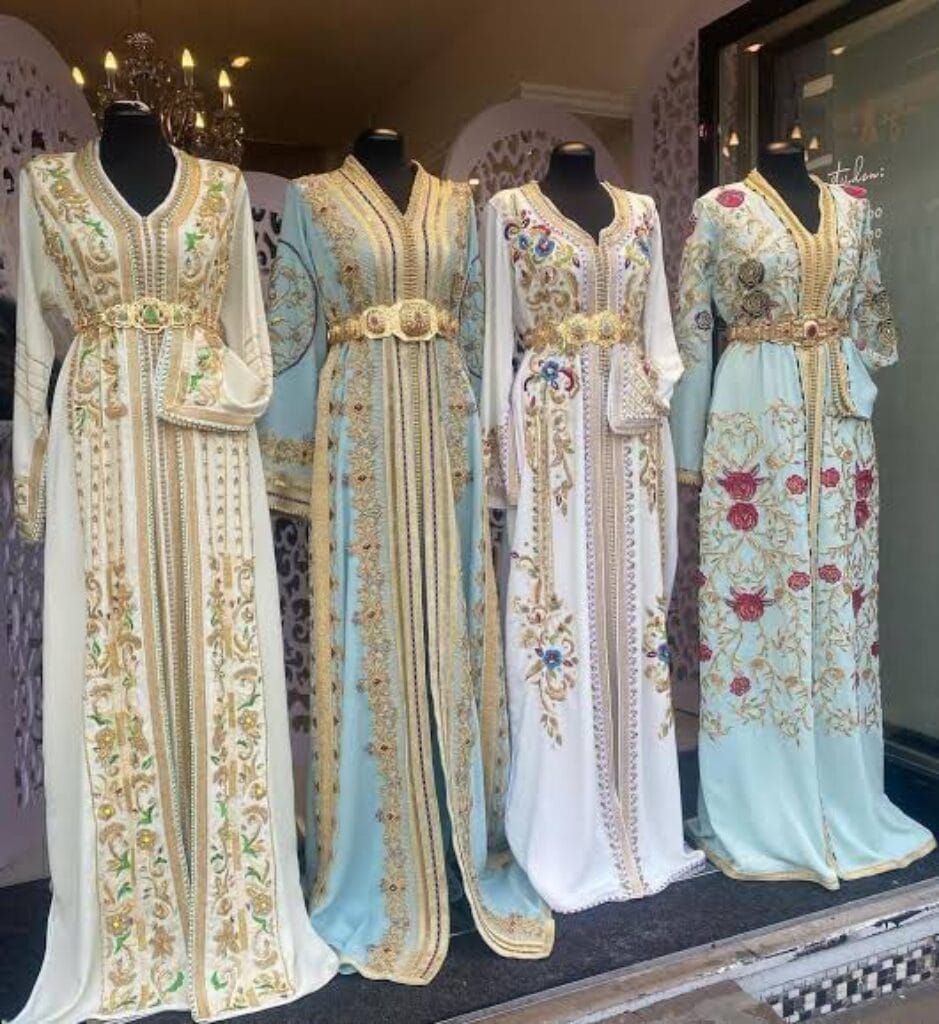
Moroccan Caftan. Photo source: Hespress
The Moroccan caftan has officially been inscribed on UNESCO’s Representative List of the Intangible Cultural Heritage of Humanity, following the approval of the Intergovernmental Committee during its session held in India. This historic recognition highlights the cultural richness, artistic heritage, and deep-rooted identity of Morocco.
A Global Recognition of Morocco’s Living Heritage
According to a statement issued by the Ministry of Youth, Culture and Communication, this inscription crowns years of dedicated efforts led by the Kingdom of Morocco under the leadership of King Mohammed VI, who has consistently emphasized the protection and promotion of national culture and traditional Moroccan craftsmanship.
The nomination file presented to UNESCO was jointly prepared by the Ministry and Morocco’s Permanent Delegation in Paris. It included extensive documentation illustrating the historical evolution of the Moroccan caftan, its refined aesthetics, the sophistication of its techniques, and its social and symbolic functions across centuries.
More Than a Garment: A Symbol of Moroccan Identity
The Ministry stressed that the Moroccan caftan is far more than a traditional outfit—it is a living cultural symbol transmitted from generation to generation. Its presence in ceremonies, celebrations, and daily life reflects a deep connection to Moroccan identity and collective memory. The craft behind it continues to thrive thanks to generations of artisans who preserve ancestral sewing, embroidery, and design techniques.
The Ministry also expressed pride in this achievement, paying tribute to artisans and designers who protect this heritage, as well as Moroccan cultural associations inside and outside the country that have contributed to promoting and defending national traditions.
A New Chapter for Moroccan Cultural Diplomacy
By joining UNESCO’s list, the caftan now stands alongside other iconic elements of global intangible heritage, reinforcing Morocco’s role as a guardian of traditional arts. This recognition is expected to boost cultural tourism, international appreciation for Moroccan craftsmanship, and the global influence of Moroccan fashion houses.
Related Articles
- Zellige of Fes and Tetouan Added to UNESCO Heritage
- The Heritage of Moroccan Couscous: Origins & Traditions
- The Art of Moroccan Hospitality in Traditional Riads
MoroccoBeat, Inspiring stories, positive energy, proudly Moroccan.