
Photo by cloney via Pixabay
Why better roads often say more about a country than its grand monuments
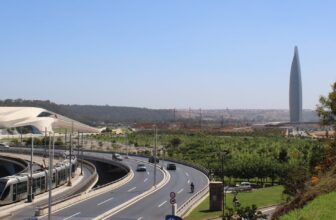
Every road in Morocco carries a quiet pulse of life. The asphalt that stretches from Tangier to the dunes of Sahara doesn’t only connect cities; it connects stories.
According to the Ministry of Equipment and Water, Morocco maintains around 48,000 kilometres of paved roads, and a new phase of major improvements is now reshaping how the country moves, travels, and grows.
When I read that nearly half of the national road budget goes to maintenance, it struck me as something more than logistics. It sounded like care, the kind that keeps a nation connected day after day, long after the cameras move on.
Why Roads Matter More Than We Think
A smooth journey changes the way people relate to their land. Roads bring markets within reach, shorten long school trips, and make tourism possible in places once isolated.
These 48,000 kilometres are more than infrastructure; they’re a living thread that holds the country together. When the government speaks of quality improvements, it means safer turns, better surfaces, new bridges, and fewer roads marked by accidents.
Officials aim to lift the share of roads rated in “good or very good” condition from roughly two-thirds today to 80% by 2030, an ambitious goal, but one that mirrors Morocco’s broader rhythm of progress.
What Improvement Really Means
Traveling through Morocco reveals how road quality changes the rhythm of a journey. Each curve through the High Atlas or stretch across the plains carries its own pace and feeling. The ministry’s plans focus not only on expansion but on the everyday experience of movement, smoother surfaces, safer crossings, and more reliable routes that invite confidence instead of tension.
I once drove through a valley road at dusk where the asphalt had just been renewed. The trip felt lighter, the car moved without effort, and the landscape seemed to open wider around me. That difference defines what improvement really means: comfort, safety, and a sense of being part of a country that is quietly advancing.
The Direction Morocco Has Chosen
By 2030, Morocco aims for smoother, safer, and more connected travel across its territory. The major improvements underway won’t just serve visitors during the World Cup; they’ll serve generations of Moroccans moving between work, family, and discovery.
When a nation invests in the simple act of keeping its roads alive, it’s not only paving surfaces, it’s renewing confidence in movement itself. These roads, old and new, remind us that progress doesn’t always announce itself with grandeur. Sometimes, it arrives quietly, one kilometre at a time.
Rlated:
- Morocco’s Expanding Highway Network: Projects, Progress, and Plan
- Morocco Receives Chinese Yutong Buses to Boost Transport for AFCON 2025
- Morocco Launches 20 Billion MAD Railway Expansion: 18 Stations to Be Built or Upgraded
- Morocco on the Move: How the Kingdom’s Revitalized Railway Sector is Powering the 2030 Vision