How Morocco’s coastal city is reshaping daily travel under the 2025–2029 national program
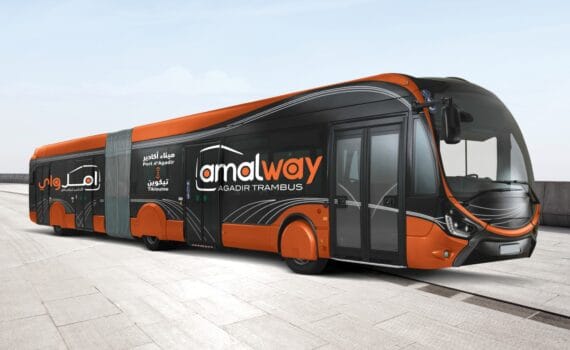
When 70 brand-new buses rolled into the port of Agadir this week, the city looked a little more prepared for the future. The arrival marked the first visible step in Morocco’s 2025–2029 National Urban Transport Program, a project that redefines how people move through the country’s growing cities.
The buses, part of a larger fleet of 247 vehicles planned for Agadir, will serve routes that stretch from the seafront to the hills, linking the city’s old quarters with its expanding neighborhoods. Another 58 buses are expected to arrive in early November, followed by 41 for Casablanca, in a coordinated rollout that reflects Morocco’s broader vision of modern, efficient, and cleaner public transport.
Wheels of Change Turning in Agadir
Funded with an investment of 11 billion dirhams, the program is a collaboration between the Ministry of the Interior, the Ministry of Economy and Finance, and Morocco’s 12 regional councils. But its reach extends beyond statistics, it’s about restoring trust in public transport, giving cities a system that reflects their pace and identity.
Agadir, one of Morocco’s most visited coastal cities, has long balanced tourism with local life. Streets that welcome visitors to its beaches and souks also serve thousands of commuters each morning. The arrival of new buses is a signal of change: cleaner fleets, shorter waits, and safer trips for workers, students, and families.
For residents who’ve spent years relying on ageing vehicles or informal taxis, the difference will be immediate. For visitors, it’s part of the story Morocco wants to tell, one where comfort, design, and organization meet at the bus stop.
An Investment That Connects
The 2025–2029 program covers six cities in its first stage, before expanding nationwide. It also involves digital tools for route planning and passenger data, better accessibility for people with limited mobility, and a gradual shift toward energy-efficient vehicles.
These changes align with Morocco’s sustainability goals, linking public transport with tourism, social inclusion, and regional equality. A reliable bus network may seem small compared to the scale of airports or rail projects, yet it affects millions of everyday journeys, the kind that quietly define the rhythm of a city.
Agadir’s new buses are more than vehicles; they’re a sign that urban life is being reconsidered. Streets once seen only as traffic routes are becoming shared spaces again, where travel feels less like a daily struggle and more like a collective rhythm.
Related:
- Morocco Receives Chinese Yutong Buses to Boost Transport for AFCON 2025
- Morocco Introduces New Buses: Urban Transport Enters a New Era of Mobility
- Yutong’s Next Buses and Morocco’s Quiet Transport Revolution
- Morocco: Tesla’s Gateway to Africa
- Morocco’s Expanding Highway Network: Projects, Progress, and Plans