Morocco has launched an ambitious program to expand its highway network from 1,800 km to 3,000 km. This expansion is driven by two key aims: preparing for the FIFA World Cup 2030, which Morocco co-hosts, and boosting economic development and territorial connectivity. A budget of 7.74 billion dirhams (≈ USD 735 million) is planned for 2025–2027 for highway infrastructure, via the ADM (Autoroutes du Maroc). Investments for 2024 had already reached 42% of goal by mid-year (~853 million dirhams).
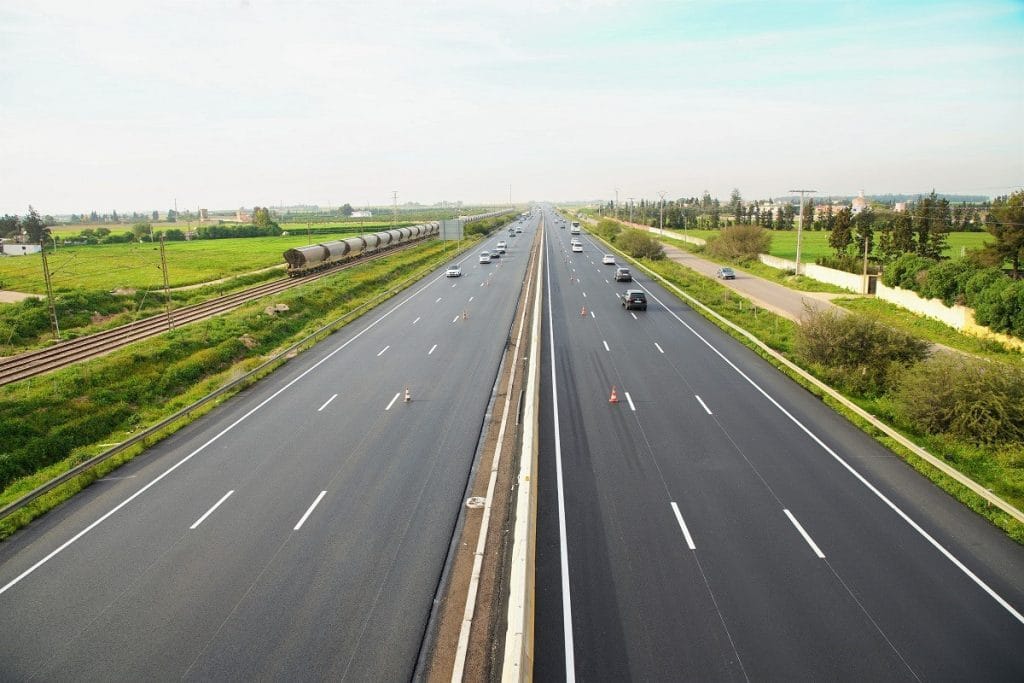
Casablanca-Berrechid Highway. Photo Credit: industries.ma
Key Projects Underway
- Guercif – Nador: 105 km, cost ~5 billion MAD. Expected completion: end of 2024.
- Tit Mellil – Berrechid: 31 km, ~1.35 billion MAD.
- Rabat – Casablanca: 60 km highway; ~5 billion MAD. Tender process near completion; construction to begin soon.
Projects Under Study
- Safi Eastern Bypass: 18.5 km, ~900 million MAD.
- Agadir Bypass: 80 km, ~3.7 billion MAD.
- Tiznit – Guelmim: 114 km; upgrade of expressway to full highway.
Planned Projects
Long-term planned or projected highways include:
- Tangier – Tétouan
- Tangier/Tétouan – Fès/Meknès (255 km, ~18.5 billion MAD)
- Fès/Meknès – Khénifra / Béni Mellal
- Béni Mellal – Kelâat Sraghna – Marrakech
- Marrakech Eastern Bypass
- Marrakech – Safi
- Marrakech – Ouarzazate
- Safi South Port – Essaouira
- Rabat Bypass (A2, A5, Rabat – Casablanca)
Strategic Vision & Significance
This highway expansion is part of Morocco’s National Road Infrastructure Plan toward 2040. The aim is to strengthen transport links across the country, improve movement of people and goods, enhance regional integration, reduce isolation of remote areas, and connect major economic hubs. One example is connecting the new Nador West Med port to the national highway network.
Financial & Institutional Context
The rollout is managed by ADM – Autoroutes du Maroc. Its investment expenditure rose by 24.2%, focusing on priority projects such as Tit Mellil-Berrechid and the Casablanca bypass. The government has earmarked ~7.74 billion MAD for the period 2025-2027, with early investments already visible.