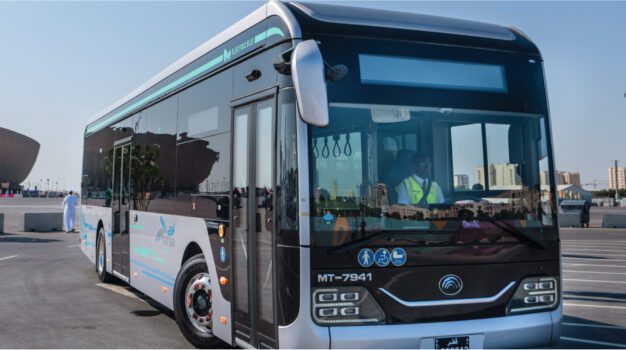
Photo credit: Yutong Bus Co.
Morocco’s bus market is poised for sustained growth over the coming decade, driven by rapid urbanization, public transport upgrades, and a gradual shift toward greener mobility solutions. According to a recent study published by Panorama Data Insights Ltd, the sector is expected to expand steadily as cities adapt to rising mobility demands.
The report estimates that the market’s revenue will grow from around $207 million in 2023 to more than $253 million by 2032, reflecting an average annual growth rate of 2.3%. This trajectory highlights the ongoing transformation of public transport systems across Morocco, where buses remain a cornerstone of daily commuting.
Urbanization and Green Transition Drive Demand
Urban expansion is identified as the main catalyst behind this growth. Population increases in major cities are intensifying the need for reliable and affordable transport, particularly for home-to-work travel. In response to mounting congestion, public authorities are prioritizing the reinforcement of bus networks, infrastructure development, and service quality improvements.
Environmental considerations are also reshaping the sector. Moroccan authorities are actively encouraging the adoption of hybrid and electric buses to cut emissions and improve air quality. The study notes that electric buses offer long-term economic benefits through lower energy consumption and operating costs, while the rollout of charging infrastructure is expected to accelerate their uptake.
Technology, Competition, and Government Support
Beyond energy transition, technological innovation is enhancing user experience. GPS tracking, digital ticketing, and onboard Wi-Fi are increasingly common, improving efficiency and passenger comfort.
The market is attracting both local manufacturers and global players such as Volvo, Scania, and Daimler Truck, alongside Asian and European brands. Government support, through regulations, subsidies for eco-friendly vehicles, and network expansion programs, remains a decisive factor.
By 2032, Morocco’s bus market is set to strengthen its role as a key pillar of national mobility, supporting urban growth and the transition toward more sustainable transport.
Source: L’opinion
Related: