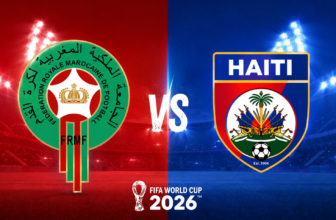
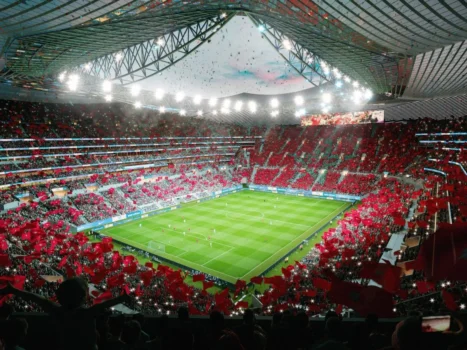
The question of who will host the 2030 World Cup final has become one of the central debates surrounding the joint tournament led by Morocco, Spain, and Portugal. FIFA has not yet confirmed the final venue, yet two stadiums stand above the rest. Morocco is building the Grand Stade Hassan II near Casablanca, while Spain offers the fully modernized Santiago Bernabéu Stadium in Madrid.
This comparison goes far beyond architecture or football tradition. FIFA usually weighs transport systems, hotel capacity, commercial value, security planning, stadium operations, media logistics, and long term legacy. As a result, the final decision may reflect how each country positions itself by 2030.
Morocco sees the tournament as part of a wider national transformation strategy linked to infrastructure, tourism, logistics, and global visibility. Spain enters with mature systems, proven stadium operations, and one of football’s most recognizable venues. Both cases carry weight.
Why Grand Stade Hassan II Is Central to Morocco’s 2030 Vision
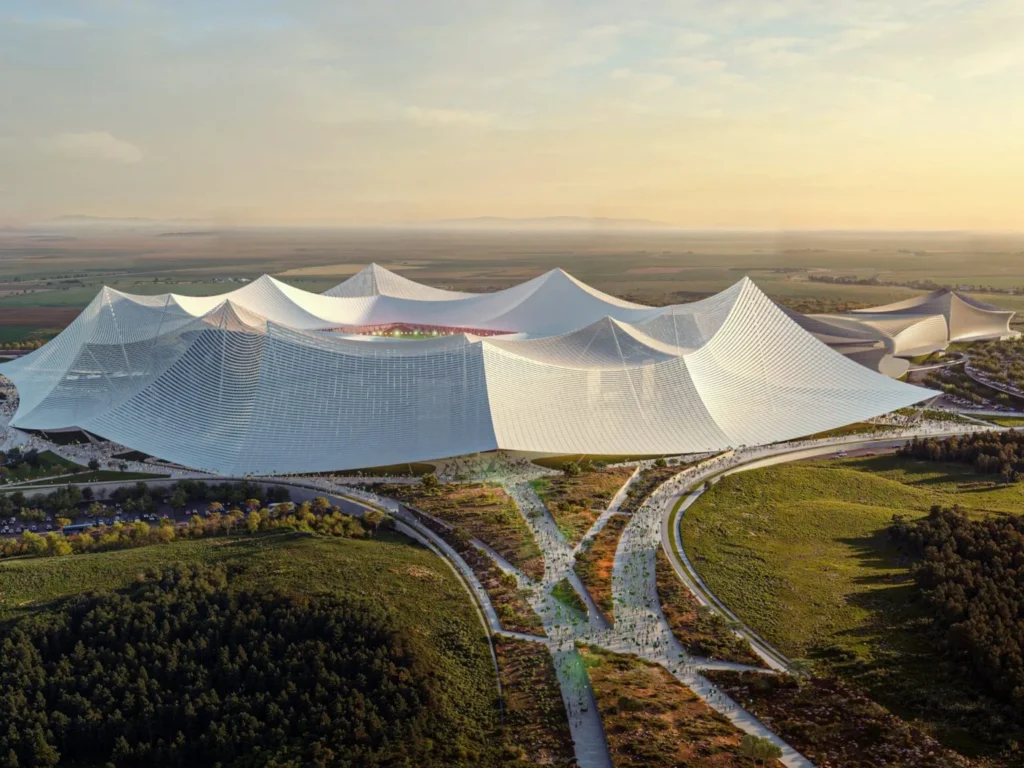
The Grand Stade Hassan II is planned near Benslimane between Casablanca and Rabat, placing it inside Morocco’s most strategic urban corridor. According to official project references connected to Moroccan football authorities, the venue is expected to hold around 115,000 spectators, which would make it one of the largest football stadiums in the world.
The project matters because Morocco wants to convert the World Cup into a long term development catalyst. A flagship stadium can support future continental finals, international tournaments, entertainment events, and business tourism.
Location Between Casablanca and Rabat
The planned site benefits from access to Morocco’s two most influential metropolitan zones. Casablanca remains the economic engine of the country, while Rabat hosts core state institutions and diplomatic activity. This positioning can help distribute visitor flows and reduce pressure on a single city center.
Capacity, Symbolism, and African Representation
If selected, the stadium could host the first World Cup final played in Africa. That symbolic factor may matter because the 2030 edition spans Europe and Africa. Morocco may argue that a final on African soil would reflect the tournament’s shared identity.
Legacy Beyond 2030
Morocco has increasingly used sport as part of national branding and tourism strategy. A mega stadium can remain useful after the tournament if it is integrated into broader event planning, domestic football, and international hosting ambitions.
Infrastructure Upgrades Strengthening Morocco’s Bid
The stadium alone will not determine the final venue. FIFA also studies how fans, teams, sponsors, and media move through the host country. Morocco has therefore accelerated multiple infrastructure programs.
Rail Expansion and High Speed Connectivity
Morocco already operates Al Boraq, Africa’s first high speed rail line, linking Tangier and Casablanca. ONCF has outlined additional expansion ambitions toward Marrakech and wider network modernization.
Airport Modernization and Visitor Capacity
ONDA continues expansion and modernization programs across major airports including Casablanca Mohammed V, Marrakech, Rabat, Tangier, and Agadir. These upgrades are important because tournament finals create intense short term passenger demand.
Roads, Urban Mobility, and Security Systems
Motorway links already connect major Moroccan cities, while urban transport projects continue in several metropolitan areas. Smart city systems and security modernization can further improve event readiness by 2030.
Why Santiago Bernabéu Starts With Major Advantages
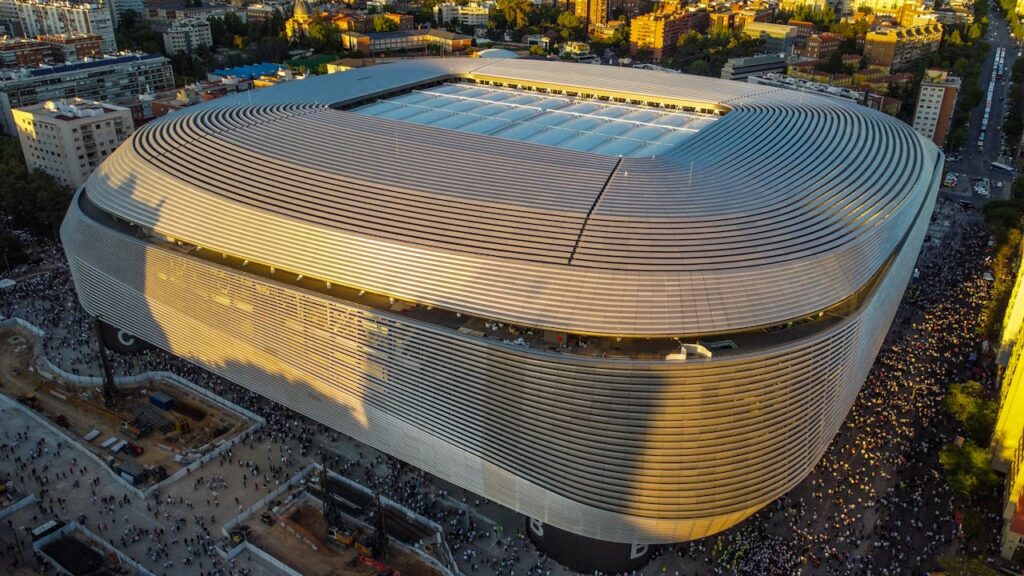
The Santiago Bernabéu enters the debate with one clear advantage. It is already a functioning elite venue. Real Madrid completed a large scale modernization that added a retractable roof, upgraded seating, advanced hospitality zones, digital infrastructure, and multi use event capabilities.
Operational Readiness and Proven Delivery
Madrid does not need to prove it can stage global football events. The city has decades of experience handling major fixtures, VIP operations, media demand, and security planning. For FIFA, this lowers execution risk.
Transport Strength in Madrid
Madrid benefits from one of Europe’s strongest mobility systems. Barajas Airport, high speed rail links, metro coverage, and established road access give visitors multiple arrival and movement options.
Commercial and Global Brand Value
The Bernabéu also carries global recognition through Real Madrid’s international reach. That brand visibility can increase sponsor interest, hospitality demand, and broadcast appeal.
Direct Comparison Between the Two Stadiums
Grand Stade Hassan II
- Projected capacity around 115,000
- Potential historic first final in Africa
- Built as a new flagship venue
- Linked to Morocco’s 2030 transformation agenda
- Depends on timely delivery and testing
Santiago Bernabéu Stadium
- Existing world class venue
- Modern systems already in operation
- Madrid transport and hotel depth
- Strong commercial familiarity
- Smaller capacity than Morocco’s planned stadium
Could FIFA Use the Final to Balance Hosts?
The tournament is shared by Morocco, Spain, and Portugal. Because of that structure, FIFA may distribute symbolic moments across host nations. If Spain receives several premium fixtures, Morocco could strengthen its case for the final as part of geographic balance.
Morocco also gained global football credibility after its 2022 World Cup semifinal run and repeated success in hosting international competitions.
Political Symbolism of a Cross Continental Tournament
A final in Morocco would underline the Mediterranean connection between Europe and Africa. A final in Madrid would emphasize certainty and tradition. FIFA may weigh both messages carefully.
Most Realistic Scenarios for the 2030 World Cup Final
Scenario 1, Bernabéu Wins on Readiness
If FIFA prioritizes low risk operations and immediate certainty, Madrid remains a strong favorite.
Scenario 2, Grand Stade Hassan II Wins on Scale and Legacy
If Morocco completes delivery on schedule and demonstrates integrated readiness, the new stadium could become the preferred option.
Scenario 3, Final Decision Reflects Host Balance
FIFA may use the final venue to balance prestige across Morocco, Spain, and Portugal.
Scenario 4, Decision Comes Late
FIFA could wait for construction milestones and operational reviews before making a final commitment.
Which Arena Will Host the 2030 World Cup Final?
At present, Santiago Bernabéu leads on proven operations, transport maturity, and commercial certainty. Grand Stade Hassan II leads on capacity, symbolism, and future legacy potential.
If Morocco completes its stadium and infrastructure roadmap on time, the final could move to North Africa for the first time. If FIFA values certainty above all else, Madrid remains the safer option.
The outcome will likely depend on what FIFA values most by 2030, proven readiness or transformational opportunity.