
Estimated reading time: 4 minutes
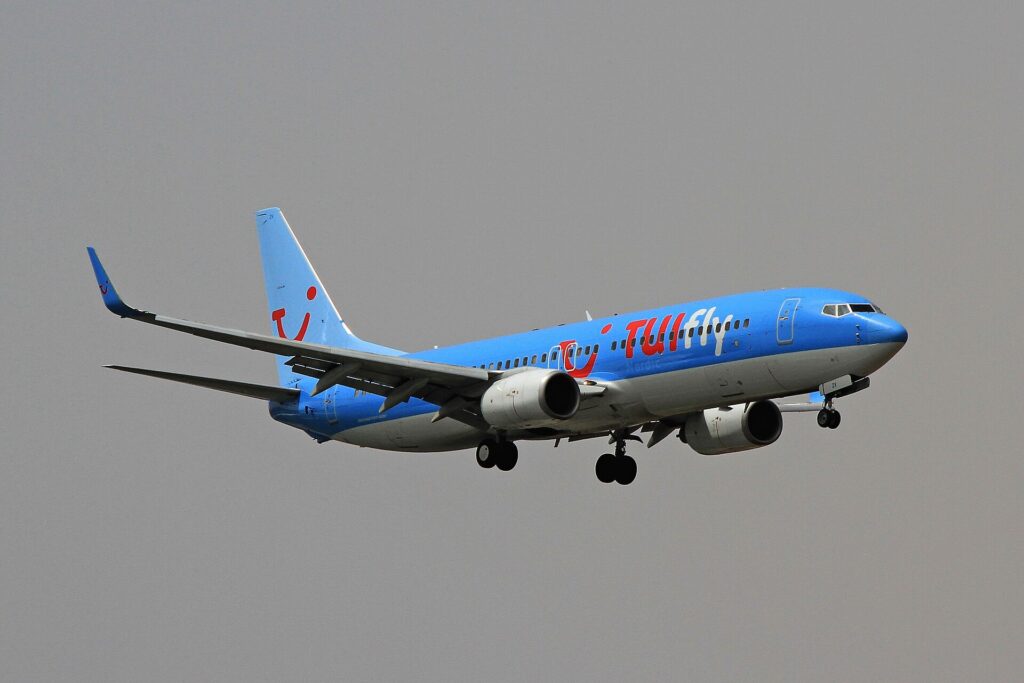
Boeing 737-804 TUI Fly. Image Credit: Rob Hodgkins/ Wikimedia.org
From July 2 to August 31, 2026, TUI fly Belgium will operate twice-weekly direct flights between Casablanca’s Mohammed V International Airport and Barcelona–El Prat Airport. The move enhances accessibility between Morocco and Spain and is expected to stimulate tourism flows toward Catalonia’s vibrant capital.
Direct Connectivity Strengthens Barcelona Tourism
The new Casablanca–Barcelona service revives TUI fly’s presence in Spain and responds to strong summer demand. With departures scheduled on Thursdays and Sundays, the route provides flexibility for short breaks and extended holidays.
- Route: Casablanca – Barcelona
- Airline: TUI fly Belgium
- Frequency: Twice weekly (Thursday & Sunday)
- Period: July 2 – August 31, 2026
- Starting fares: From approximately 659 MAD one-way
- Flight duration: Around 1.5 hours
This direct connection reduces travel time and eliminates layovers, making spontaneous European getaways more attractive for Moroccan travelers.
Summer Timing Maximizes Peak Demand
The July–August schedule aligns perfectly with Barcelona’s high season, when the city’s beaches, festivals, and cultural attractions are at their busiest. Barceloneta Beach, Park Güell, La Rambla, and the Sagrada Família typically attract millions of visitors during these months.
By adding capacity during peak demand, the new route helps ease pressure while sustaining tourism growth. It also supports Spain’s broader strategy to diversify inbound markets by increasing arrivals from North Africa.
Affordable Fares Encourage Travel Growth
With entry-level fares starting around 659 MAD one-way, the route democratizes access to Spain’s tourism market. Affordable pricing is expected to:
- Encourage family travel during school holidays
- Stimulate youth and city-break tourism
- Increase hotel occupancy rates
- Boost spending in restaurants, attractions, and retail sectors
The accessibility of pricing combined with short travel duration positions Barcelona as a convenient European escape for Moroccan middle-class travelers.
Cultural Exchange and Tourism Diversification
Beyond leisure travel, the Casablanca–Barcelona connection reinforces historical and cultural ties between Morocco and Spain. Barcelona’s blend of Mediterranean charm, Moorish influences, and modernist architecture resonates strongly with Moroccan visitors.
The route may also encourage multi-destination trips within Spain, extending stays to Costa Brava, Balearic Islands, or inland wine regions, amplifying the tourism multiplier effect.
Economic Ripple Effects for Spain Tourism
Barcelona’s hospitality sector is preparing for increased arrivals, with expectations of higher hotel bookings, guided tours, and cultural site visits. Tourism authorities anticipate positive impacts across:
- Accommodation services
- Food and beverage industry
- Local transportation
- Cultural attractions and museums
- Event and festival attendance
New air routes historically contribute between 5% and 10% growth in visitor arrivals in comparable regional markets, according to aviation and tourism trend patterns.
Potential Year-Round Expansion
While currently scheduled for the summer season, the possibility of extending operations beyond August signals airline confidence in sustained demand. If successful, the route could evolve into a recurring seasonal or even year-round connection.
This would further strengthen Barcelona’s role as a gateway city for North African travelers and solidify Spain’s position as a leading Mediterranean tourism hub.
Strengthening Mediterranean Tourism Networks
TUI fly’s strategic move highlights aviation’s central role in tourism recovery and expansion. Direct connectivity between Casablanca and Barcelona not only facilitates travel but also deepens economic and cultural ties across the Mediterranean.
As Summer 2026 approaches, Barcelona stands to benefit significantly from this renewed air bridge, reinforcing Spain’s tourism resilience and showcasing the growing travel dynamism between Morocco and Europe.
The Casablanca–Barcelona connection signals a promising chapter for Mediterranean tourism growth in 2026.