
Estimated reading time: 3 minutes
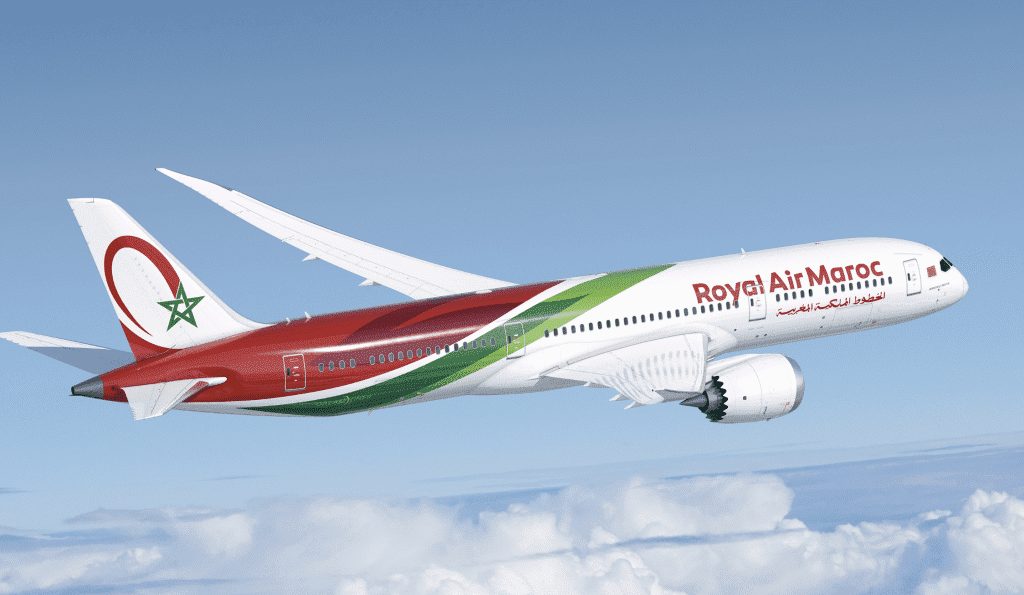
Royal Air Maroc Airplane. Credit: RAM
Royal Air Maroc continues to solidify its European presence with a strategic rollout of new direct routes. Following the success of the Casablanca–Bilbao and Casablanca–Alicante lines, the airline is now shifting focus to Northern Morocco’s regional hubs.
According to our field analysis, this expansion is part of a broader government-backed strategy to decentralize air traffic. By 2025, RAM transported nearly 480,000 passengers between Morocco and Spain, a figure expected to rise sharply with these new connections.
| Departure City | New Spanish Destinations | Flight Type |
|---|---|---|
| Tangier | Madrid, Barcelona, Málaga | Regular Direct |
| Tétouan | Barcelona, Málaga, Madrid | Regional Hub |
| Nador | Barcelona | Direct Service |
What are the key goals of Royal Air Maroc’s 2037 strategy?
The airline has entered a transformative phase under its 2023–2037 development agreement with the Moroccan government. Our local report highlights that the goal is to evolve from a regional hub into a transcontinental powerhouse. By 2037, RAM aims to operate a fleet of 200 aircraft and serve over 32 million annual passengers, opening 100 new international destinations in the process.
Which Spanish airports does Royal Air Maroc currently serve?
With the latest expansion, RAM now provides a comprehensive network across the Iberian Peninsula. Travelers can access nine Spanish airports from five Moroccan gateways:
- Spanish Hubs: Madrid, Barcelona, Valencia, Málaga, Seville, Las Palmas, Tenerife, Bilbao, and Alicante.
- Moroccan Gateways: Casablanca, Laâyoune, Tangier, Tétouan, and Nador.
How is RAM strengthening its global connectivity?
Beyond Europe, Royal Air Maroc is aggressively expanding its long-haul footprint. As the first African member of the oneworld alliance, RAM connects Morocco to over 900 destinations globally. New nonstop routes to Toronto, Los Angeles, and Beijing demonstrate the carrier’s ambition to link Africa with the Americas and Asia directly through its Casablanca hub.
Strategic Impact on Tourism and Diaspora
The boost in flight frequencies is specifically designed to accommodate the growing demand from the Moroccan diaspora and international tourists. By increasing 5G-enabled digital services and fleet capacity—growing from 62 to 72 aircraft by late 2026—RAM is ensuring a seamless travel experience for business and leisure travelers alike.