Photo by Taryn Elliott From Pexels.
Estimated reading time: 6 minutes
As Morocco prepares to co-host the FIFA World Cup in 2030, the country is entering one of the most exciting decades in its modern history. Stadiums are rising, infrastructure is transforming, and a global spotlight is slowly shifting toward its shores. But the real Morocco (the soul, the colors, the people) doesn’t wait for kickoff. It’s already here, humming in every city, alley, and rooftop café.
If you’re thinking of discovering Morocco before the World Cup arrives, now is the moment. The stadiums may not be full yet, but the streets already are.. with music, markets, football dreams, and centuries of stories. Here are five cities you should visit before the world rushes in.
Tangier : Where Continents Touch
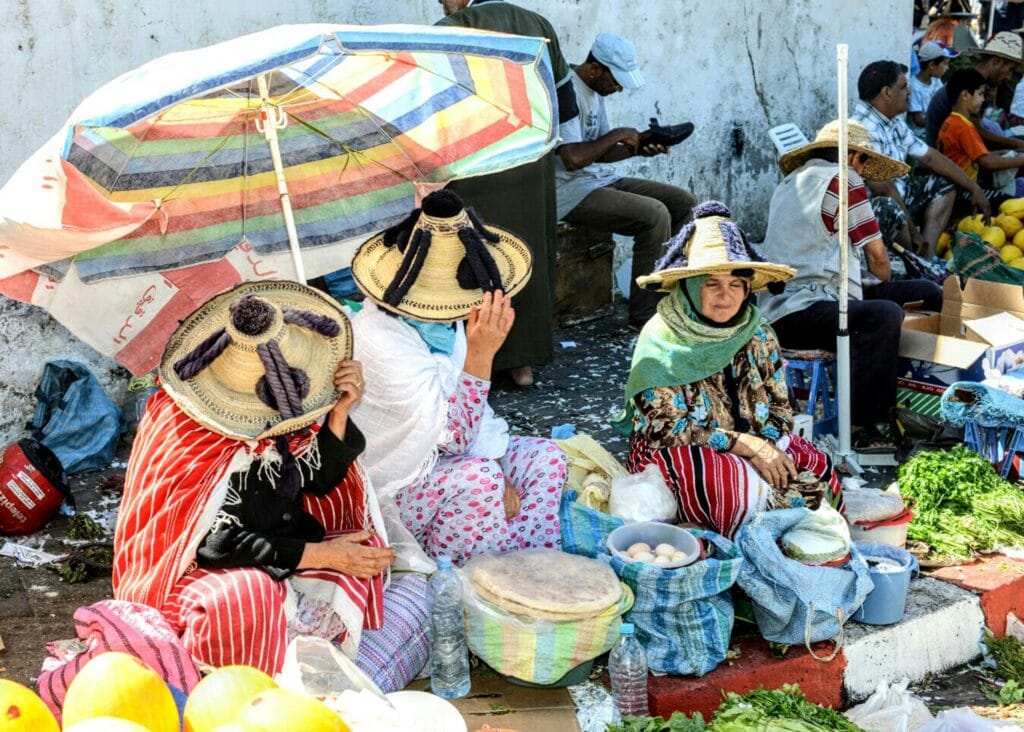
Photo by George Piskov From Pexels
At the very top of Morocco, where the Mediterranean meets the Atlantic and the continent stretches toward Europe, Tangier stands as a reawakening port city. Long a crossroads of cultures and a haven for artists, it’s once again finding its voice. The Ibn Batouta Stadium will be a key venue for both CAN 2025 and the World Cup five years later, but football is just one layer of Tangier’s evolving identity.
From the white walls of the Kasbah to the cafés where generations of writers and musicians found inspiration, Tangier still whispers its secrets to those who walk slowly. The air here feels different: full of salt, history, and quiet transformation. While stadium lights are being tested, there’s still time to enjoy a mint tea at Café Hafa, stare out toward Spain, and feel like you’ve discovered a city just before its second golden age.
What makes Fez the soul of authentic Morocco?
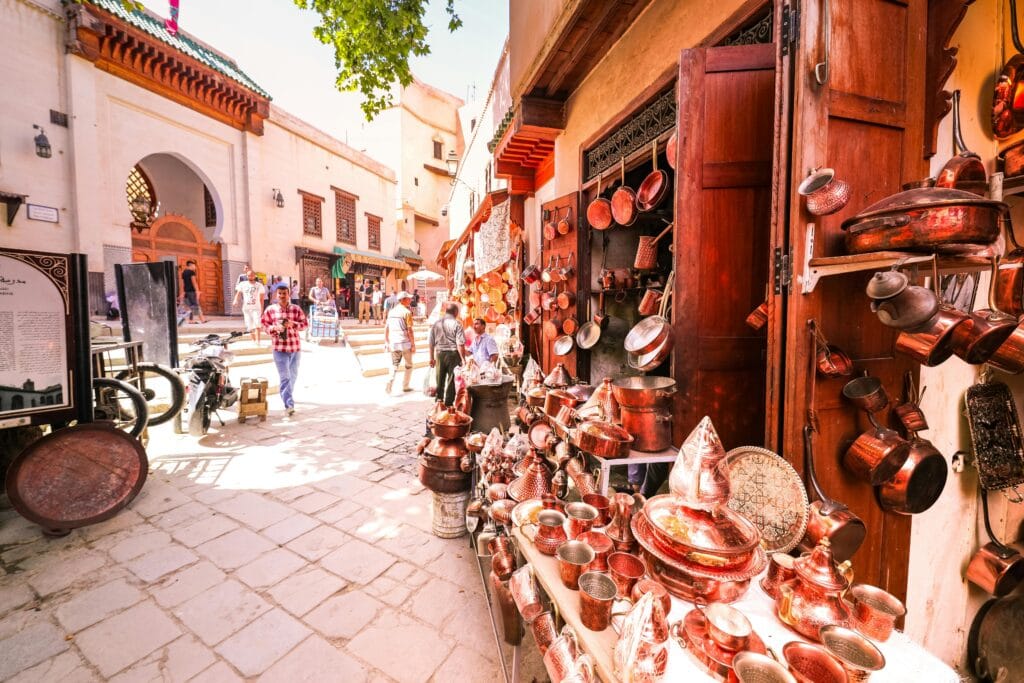
If Marrakech is fire, Fez is earth. Rooted, ancient, wise. Its medina, a labyrinth that dates back over a thousand years, is the largest in the world. Donkeys deliver textiles. Children race through tiled courtyards. The scent of leather and saffron fills the air.
Yet Fez is not frozen in time. It pulses with energy. The kind that comes from real, daily life. It’s one of the cities confirmed to host CAN 2025 matches, and this spotlight is giving Fez a subtle facelift: improved infrastructure, boutique riads, and increased attention from both local and international tourism boards.
But Fez doesn’t perform for visitors. It invites you in, on its own terms, and rewards your patience with authenticity you won’t find anywhere else.
Agadir : Sun, Surf, and Stadiums
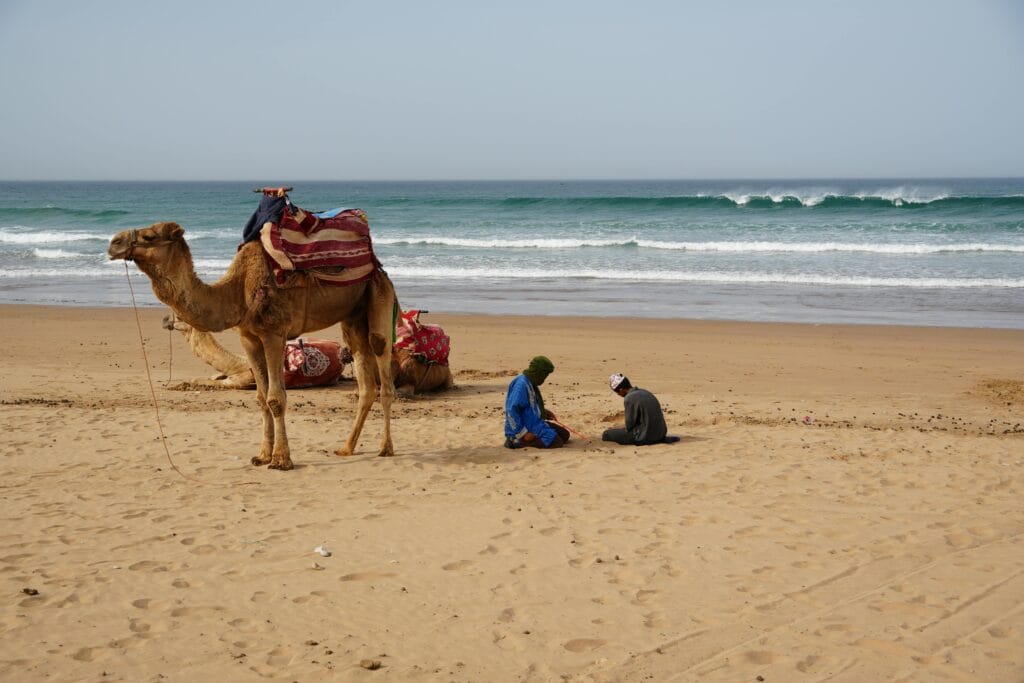
Down on the Atlantic coast, Agadir offers something entirely different. Rebuilt after a devastating earthquake in 1960, it is clean, wide, and built for breathing. Palm trees sway along spacious boulevards. The sea stretches into forever. And just behind the city, hills rise like calm, sun-drenched sentinels.
Agadir’s Stade Adrar is being readied for CAN 2025, but there’s a calm confidence here. The city doesn’t rush. You’ll feel it in the slow pace of beachside cafés, in the rhythm of the waves, in the way the light lingers a little longer. Before football fans arrive en masse, there’s space to think, surf, read, or do nothing at all. Watch fishermen return to port. Walk the sand in the early morning. Eat freshly grilled sardines with your hands. Sometimes, what a traveler needs most is exactly this kind of simplicity.
How is Rabat balancing World Cup ambition with its royal grace?
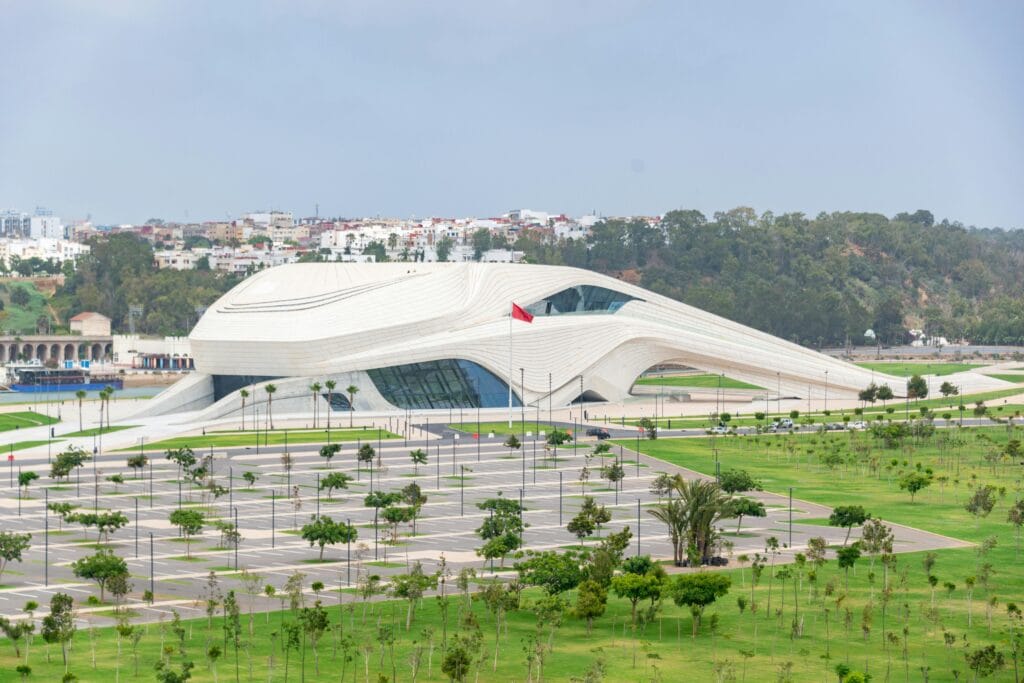
Rabat doesn’t scream for attention, it earns it. With four confirmed stadiums for CAN 2025, including the rebuilt Moulay El Hassan, the new Al Barid, the Olympic Complex, and the future 70,000-capacity Prince Moulay Abdellah Stadium. Rabat is positioning itself as one of the key World Cup cities.
But Rabat remains a place of balance. In the Andalusian Gardens, in the blue-and-white walls of the Oudayas, in the stillness along the Bouregreg river, the capital city keeps its poise. It blends ceremony with creativity, old with new. Students read under the palm trees while cranes rise in the distance. Trams glide past government buildings as vendors call out in the medina. The transformation is underway, the heart of Rabat stays calm.
Can Marrakech still surprise seasoned travelers?
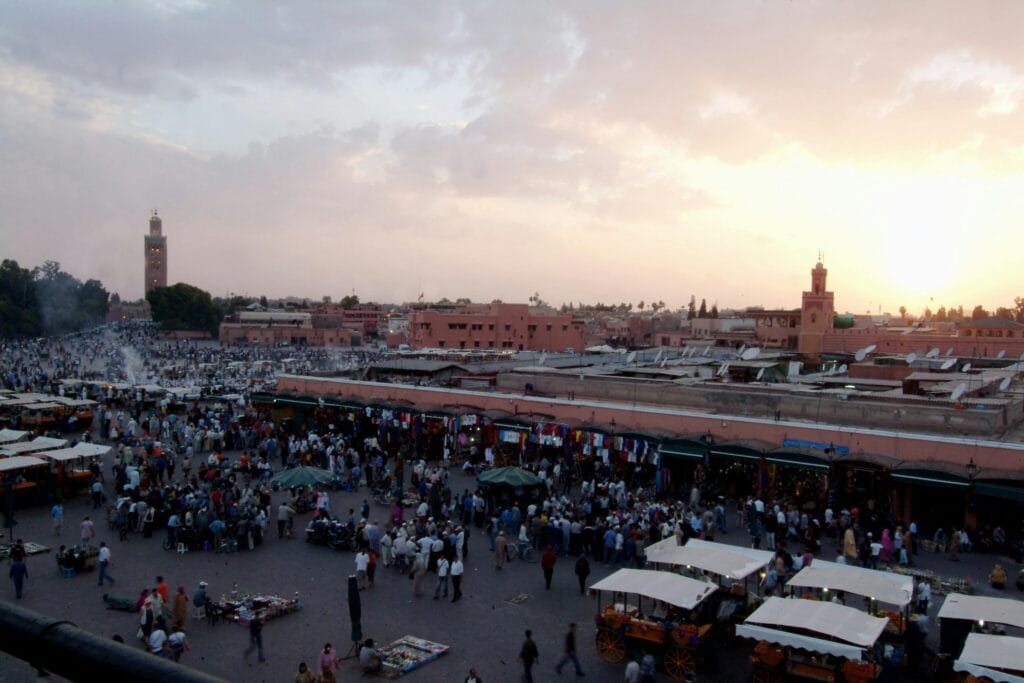
Marrakech doesn’t need an introduction. It’s the city everyone dreams of the lanterns, the spices, the drums in the square at dusk. And behind the postcard image is a place constantly evolving.
The Grand Stade de Marrakech is already ready for international matches, and the city is investing heavily in transport, green infrastructure, and sustainable tourism. The airport is expanding. New cultural centers are opening. But the spirit of Marrakech remains in the textures.. the carved wood, the patterned tiles, the scent of orange blossoms and grilled lamb. You’ll find it in the steam of a hammam, in the echoing voices of craftsmen in the souks, in the call to prayer over the rooftops.
Visit now, before the streets are dressed for global guests. Let Marrakech show you the side of itself that doesn’t always make the headlines.
Travel Before the Trophy
Morocco is more than a football destination. It’s a living mosaic of past and future, color and silence, celebration and stillness. Before the world flies in, before the stadiums fill, there’s a window, a chance to see this country while it’s still whispering instead of shouting.
Go now. Walk its streets. Drink its tea. Listen to its heartbeat.