As the world turns its eyes to Morocco, the stage is set for one of Africa’s most celebrated football tournaments, the 2025 Africa Cup of Nations (CAN 2025). For Morocco, this isn’t just a tournament. It’s a statement. A rehearsal. A celebration. And above all, a bold step toward the 2030 FIFA World Cup.
In this complete guide, we walk you through everything you need to know about the host cities, stadiums, and what makes CAN 2025 in Morocco unlike any tournament before.
What is CAN 2025?
The Africa Cup of Nations (CAN) is the continent’s premier football competition, organized by the Confederation of African Football (CAF). It brings together 24 national teams, elite players from clubs around the world, and millions of fans united by passion and pride.
CAN 2025 will be hosted by Morocco, marking its return as a host after nearly four decades. The country last held the tournament in 1988 and it’s coming back bigger, better, and with global attention as Morocco also prepares for the World Cup in 2030, co-hosted with Spain and Portugal.
All Host Cities at a Glance
Morocco’s strategy doesn’t just focus on sports.. it connects regions, cultures, and cities through football. The host cities reflect that diversity: from economic powerhouses to ancient medinas, oceanfront hubs to political centers.
Casablanca – The Economic Heartbeat
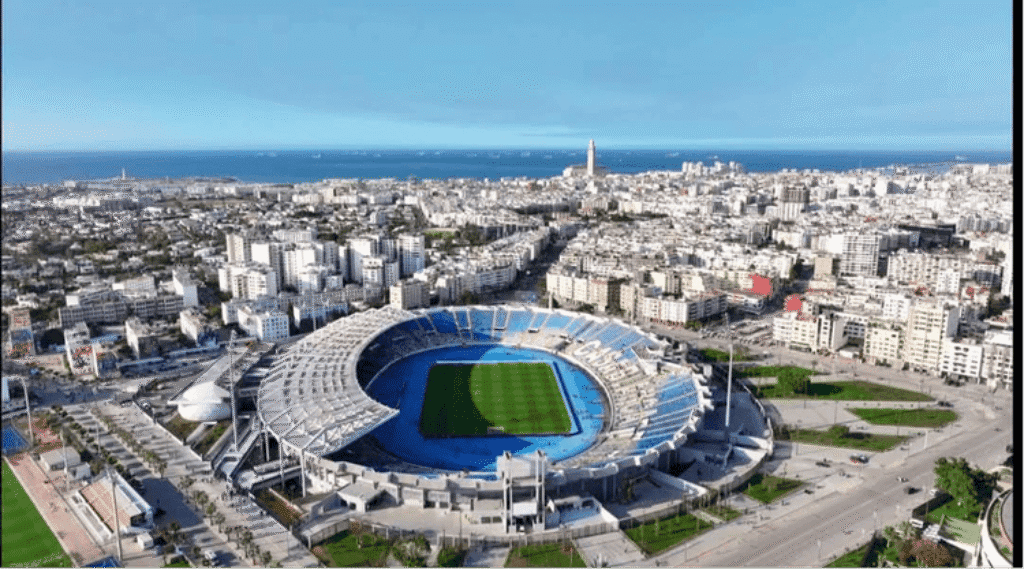
Stadium: Stade Mohammed V
Capacity: ~45,000 (planned renovation)
Casablanca, Morocco’s largest city, is a business capital that pulses with energy. Stade Mohammed V, with its deep football history, is set to shine again with upgrades designed to meet CAF and FIFA standards. Expect buzzing streets, packed cafés, and a truly urban football experience.
Marrakech – Where Football Meets Culture
Stadium: Grand Stade de Marrakech
Capacity: 45,240
Known for its iconic red walls and bustling souks, Marrakech offers a stunning blend of history and modernity. The stadium lies just outside the city and has hosted major international matches. Off the pitch, the city’s warm hospitality and famous square, Jemaa el-Fnaa, will be a magnet for fans.
Tangier – A Rising Powerhouse
Stadium: Ibn Batouta Stadium
Capacity: ~75,000
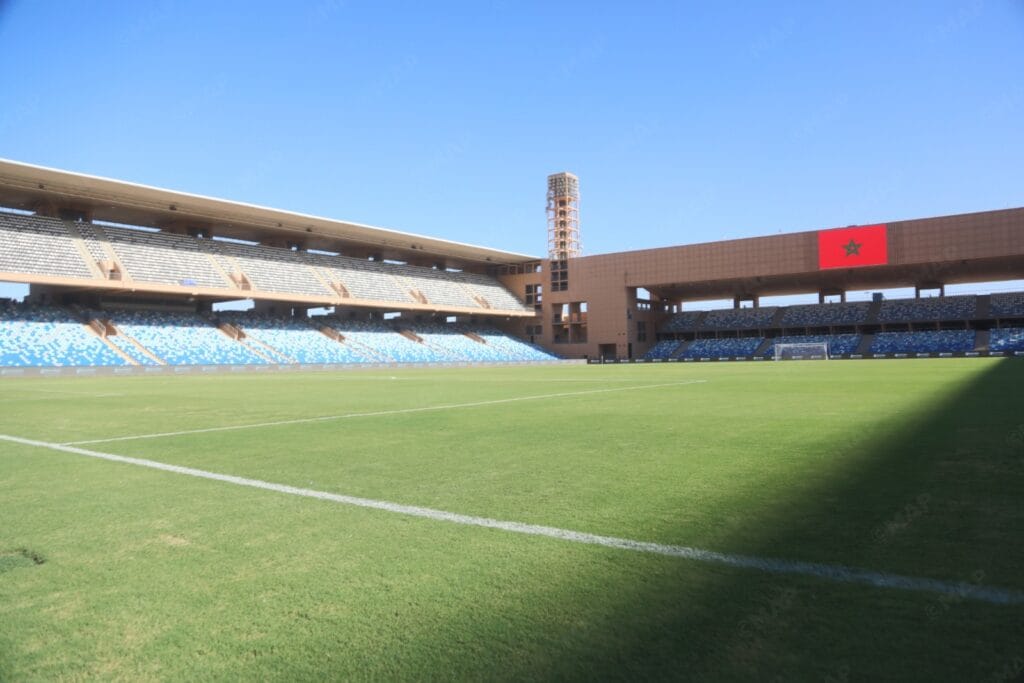
The northern city of Tangier has quickly become a sports hub. Its ultra-modern stadium is one of Morocco’s biggest and most beautiful, already used for international club finals and friendlies. Perched between the Mediterranean and Atlantic, Tangier will be one of CAN 2025’s star attractions.
Agadir – By the Atlantic Waves
Stadium: Stade Adrar
Capacity: ~45,000
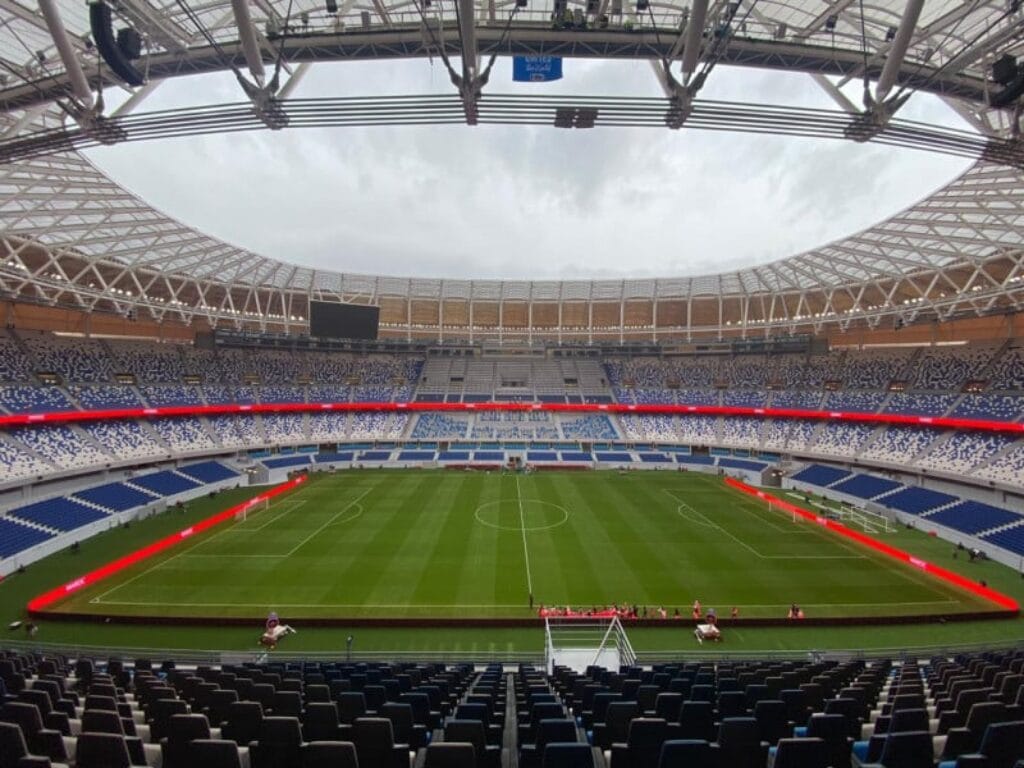
Agadir combines sunshine, surf, and stadium lights. Known for its calm beaches and clean streets, this southwestern city is a tourist haven. And now, a football one too. Its stadium is modern and easy to access, just minutes from resorts and palm-lined boulevards.
Rabat – The Capital’s Football Arsenal
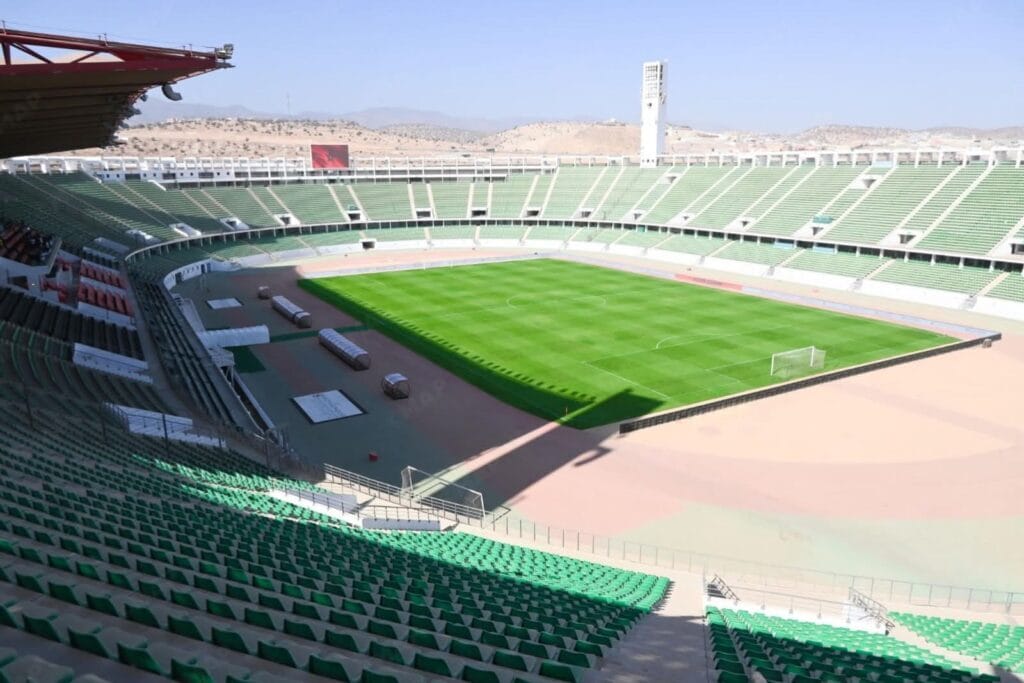
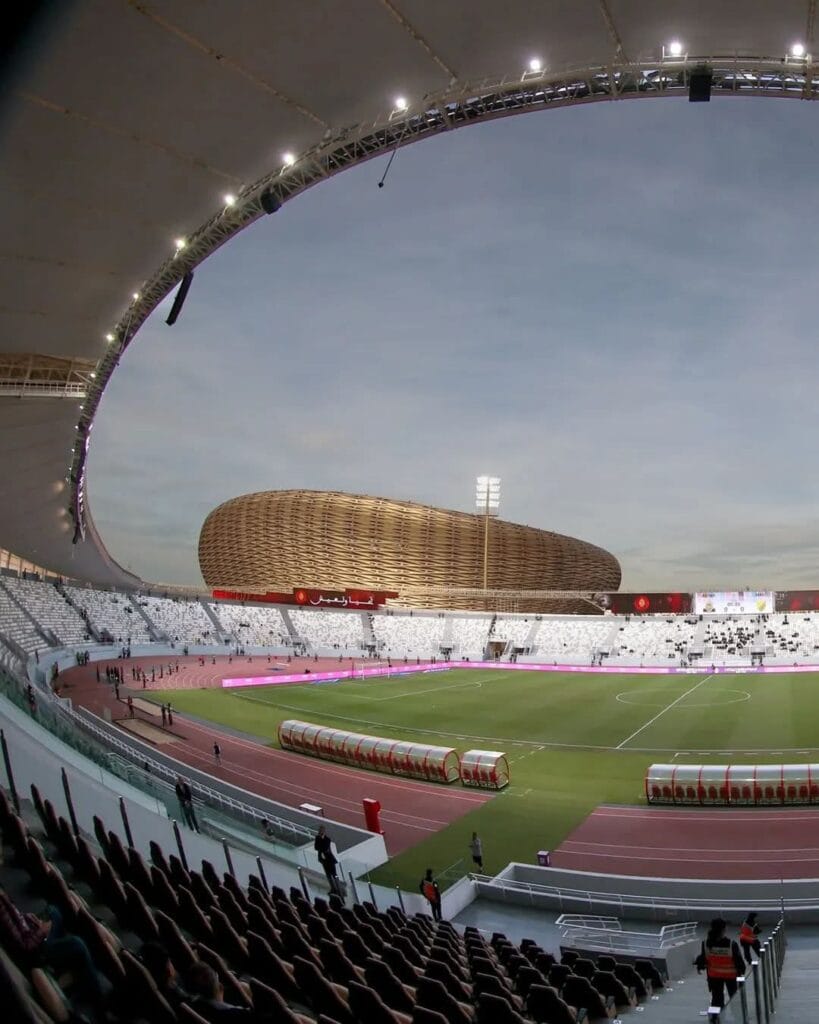
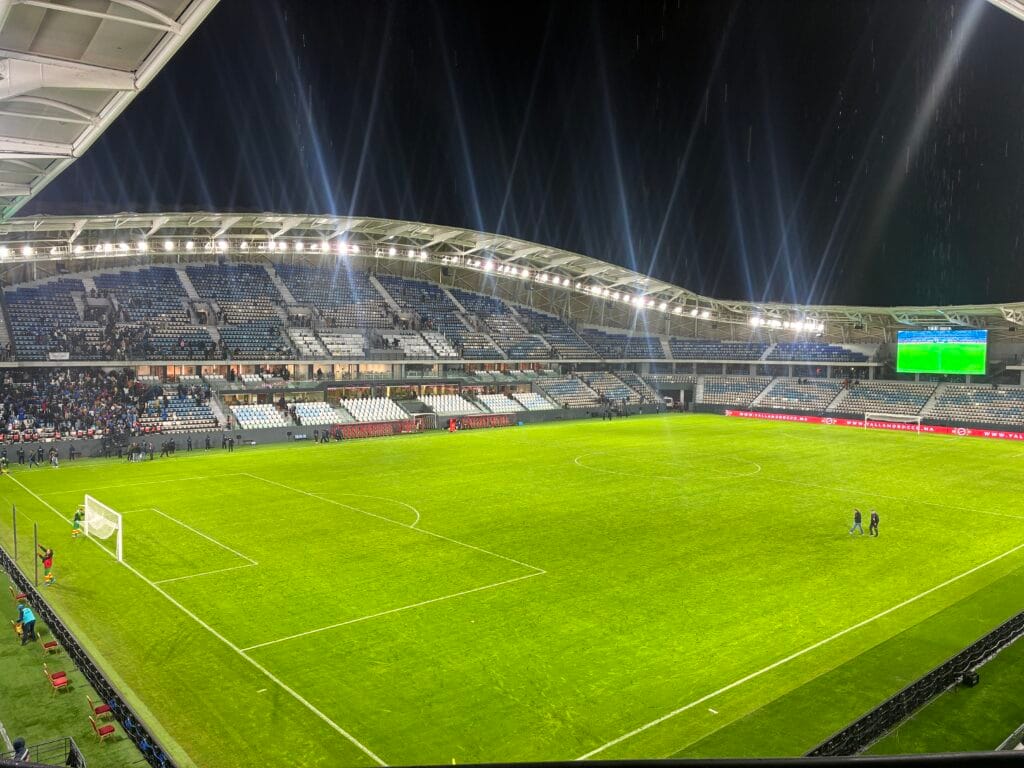
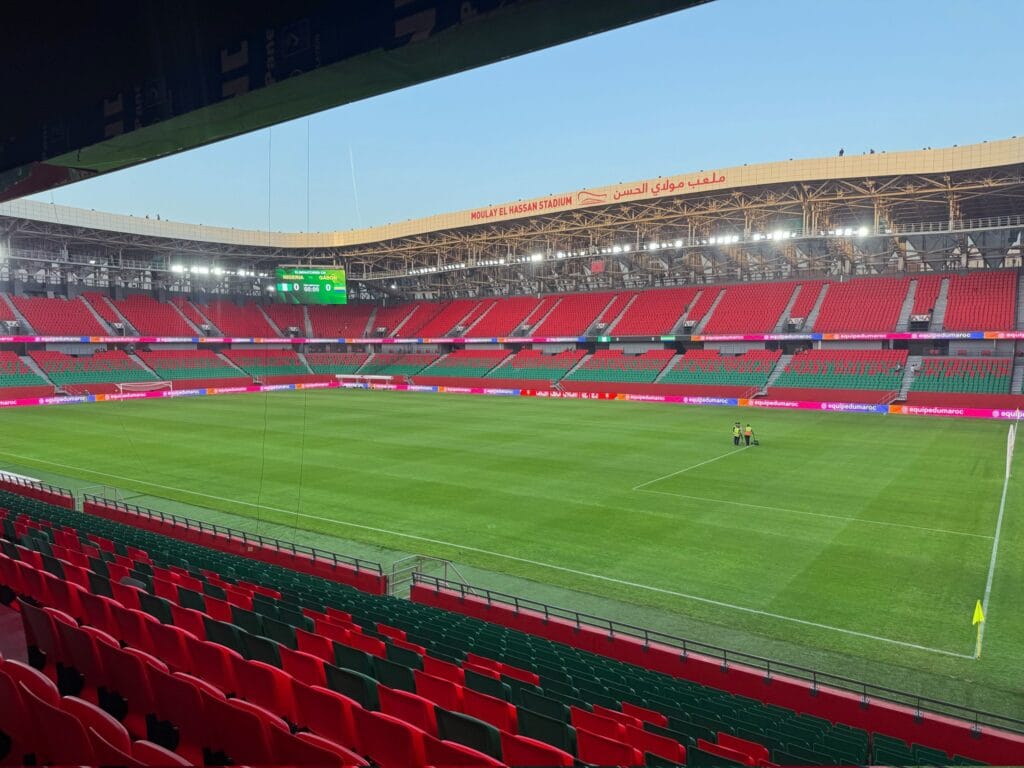
Rabat, Morocco’s political and administrative capital, isn’t relying on one venue, it’s unleashing a full football hub. With four confirmed stadiums for CAN 2025, Rabat becomes one of the tournament’s most important clusters, blending modern infrastructure, symbolism, and strategic readiness for the 2030 World Cup
| Stadium | Capacity |
| Prince Moulay Abdellah Stadium | 69700 |
| Moulay El Hassan Stadium | ~22,000 |
| Rabat “Olympic” Stadium (Annex – Prince Moulay Abdellah) | ~21,000 |
| Al Barid Stadium | ~18,000 |
With these four stadiums, Rabat stands as a logistical showcase, a city that can host simultaneous matches, training camps, and fan events with precision and scale. It also reflects Morocco’s long-term vision: building infrastructure that lives beyond the tournament.
Fez – Historic Spirit, Modern Ambition
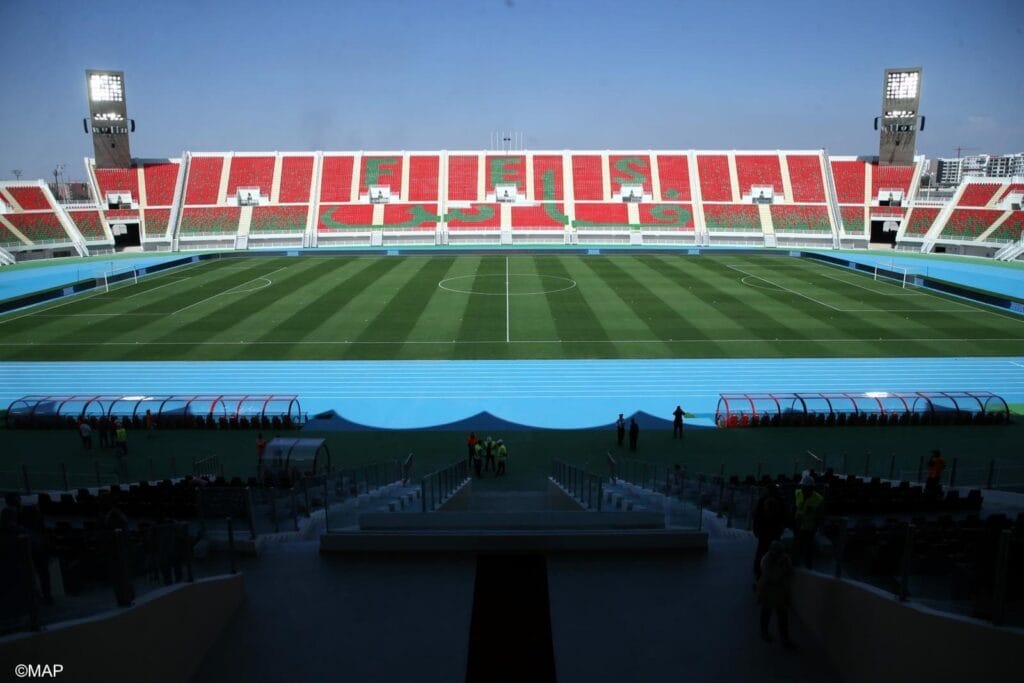
Stadium: Fez Sports Complex
Capacity: ~45,000
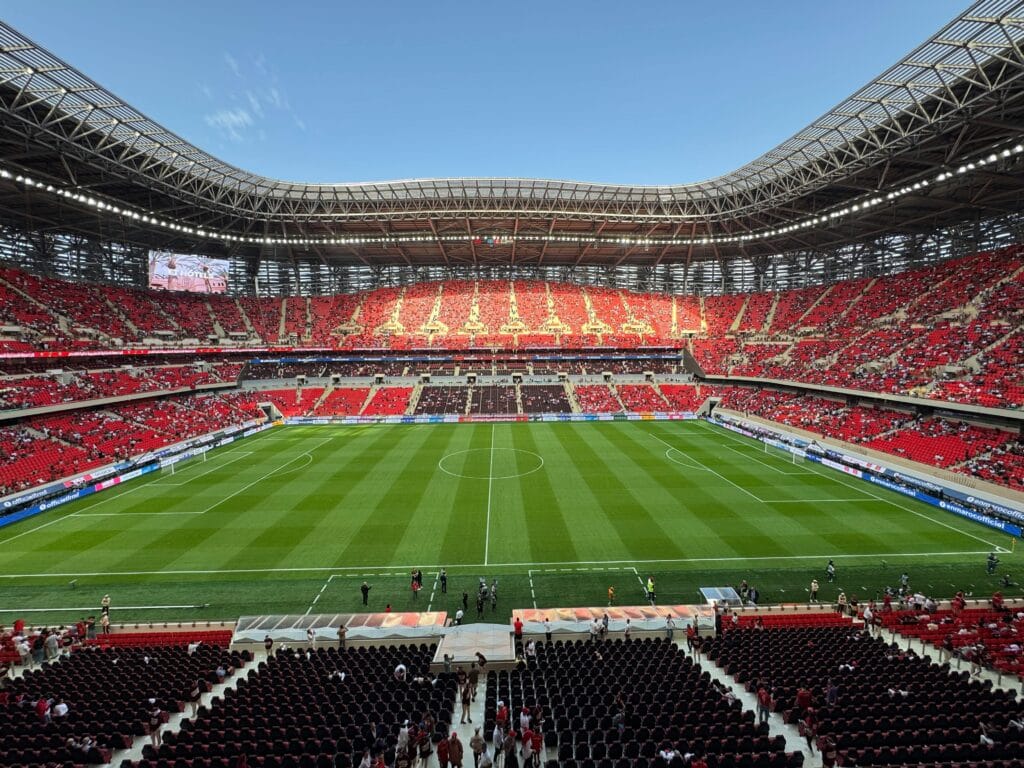
Fez brings a deep cultural soul to CAN 2025. As one of Morocco’s oldest imperial cities, it blends history with ambition. The Fez Sports Complex has undergone key upgrades, ready to welcome fans into a city of narrow alleys, stunning mosques, and unforgettable atmosphere. Football here isn’t just a game — it’s a journey into Morocco’s spiritual heart.
Stadium Infrastructure: Upgrades, Innovation, and Legacy
Morocco’s CAN 2025 isn’t just about matches, it’s about legacy. The country has committed millions in stadium renovation, security, and fan experience, not just for 2025, but to ensure world-class readiness by 2030. Key upgrades include:
- Expanded seating and VIP zones
- Improved lighting and broadcast tech
- Safer, faster fan entry systems
- Better transportation access around venues
Each stadium is part of a national sports infrastructure vision, integrating with roads, airports, and high-speed trains to welcome both local and international supporters.
What Makes CAN 2025 in Morocco Special?
A Return to Glory
Morocco hasn’t hosted the tournament since 1988. In 2015, the country was set to host but withdrew due to the Ebola crisis. 2025 is the redemption moment, a chance to prove readiness on an African and global scale.
A Test for 2030
CAN 2025 is a dress rehearsal for the World Cup. Logistics, crowd control, security systems, and stadium tech will all be under the microscope. The entire world will be watching, not just CAF.
A Boost for Tourism and Unity
From Marrakech to Tangier, the tournament offers a massive boost to sports tourism, local economies, and national pride. Fans will explore Morocco’s landscapes, food, hospitality, and music, and they’ll likely come back again.
Morocco Welcomes Africa (and the World)
CAN 2025 will showcase how sports, culture, and infrastructure can move forward together.
Whether you’re a die-hard fan, a first-time visitor, or just curious about what Morocco has to offer, this tournament will be unforgettable. A bridge between continents.
Stay tuned here on Moroccobeat.com as we bring you updates, travel tips, and exclusive guides leading up to kickoff.