Photo by Othman Alghanmi via Unsplash
As preparations intensify for the FIFA World Cup 2030, the tournament is increasingly positioned as a structural catalyst for transformation across Morocco, Spain, and Portugal.
During the Morocco–Spain–Portugal Business Forum in Salé, infrastructure and mobility emerged as central pillars in delivering a successful joint tournament.
Major Infrastructure Projects Reshaping Host Cities
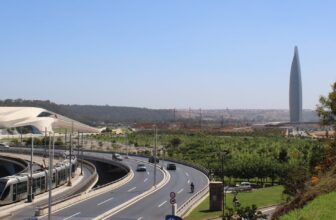
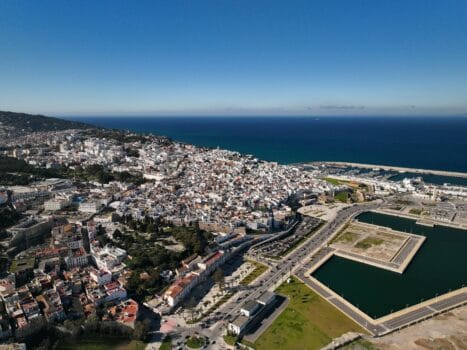
Morocco is accelerating strategic investments in highways, expressways, rail corridors, airport expansions, and stadium modernization. Key cities such as Casablanca, Rabat, and Tangier are undergoing coordinated upgrades aimed at meeting international standards while strengthening long-term regional competitiveness.
These projects extend beyond event preparation. Transport corridors, logistics platforms, and urban redevelopment plans are designed to improve connectivity for citizens, enhance trade flows, and reinforce Morocco’s position as a gateway between Africa and Europe.
Mobility and Sustainability as Long-Term Legacy Drivers
Efficient mobility management will shape the global perception of the 2030 tournament. Integrated planning between stadium infrastructure and transport networks seeks to ensure smooth movement for teams, supporters, and delegations.
Sustainability remains a shared strategic framework among the three host nations. Infrastructure investments prioritize durability, environmental efficiency, and long-term urban integration.
Through cross-border coordination and complementary expertise, the 2030 World Cup is emerging as more than a sporting milestone. It represents a structured opportunity to modernize infrastructure, strengthen mobility systems, and deepen regional cooperation across the western Mediterranean.
Related: