Rabat rewards slow travel. Morocco’s capital combines Andalusian gardens, fortified kasbah walls, major museums, broad avenues, and a riverfront that links Rabat with Salé across the Bouregreg estuary. A well planned Rabat two-day cultural loop gives visitors enough time to experience the city’s historic layers while keeping distances practical. Because many headline sites sit within short taxi or tram connections, you can move efficiently and spend more time inside museums, medinas, and cafés instead of in transit.
Quick Travel Snapshot
This Rabat two-day cultural loop starts in the Kasbah of the Udayas, then moves through museums, the Hassan Tower district, and the medina. On the second day, continue to Chellah and the Bouregreg riverfront before ending in riverside cafés. Distances stay manageable, making the itinerary efficient, balanced, and easy to follow.
Rabat also matters beyond tourism. Ongoing restoration projects, public transport upgrades, riverfront redevelopment, and heritage digitization support Morocco’s wider urban modernization agenda ahead of 2030. As a result, travelers can explore a capital city that protects historic assets while improving access and visitor services.
Why Choose a Rabat Two-Day Cultural Loop
Many travelers rush through Rabat as a day trip from Casablanca. That approach misses the city’s strongest advantage, which is how well its cultural districts connect. With two days, you can visit UNESCO listed heritage zones, national museums, gardens, and the Bouregreg waterfront without overloading your schedule. In practice, Rabat works best when you combine walking with short taxi rides and tram segments.
The city also feels calmer than larger tourist hubs. Streets are generally organized, major sites are spread out logically, and cafés encourage longer stops. That creates an itinerary built around quality time rather than checklist travel.
Before You Start, Practical Planning
Best Time to Visit
Spring from March to May and autumn from September to November offer the most comfortable conditions. Summer remains possible because Atlantic breezes moderate temperatures, although afternoons can still feel warm. Winter often brings mild weather with occasional rain.
Getting Around
Petit taxis handle short urban trips and remain useful between districts. Rabat’s tram network also connects central areas and Salé. Walking works especially well inside the Kasbah, medina edges, Hassan Tower esplanade, and sections of the riverfront.
Budget Snapshot
Rabat can suit different budgets. Museum entry fees are usually modest by international standards, cafés range from simple local stops to premium terraces, and taxis remain relatively affordable for short rides.
Day One, Kasbah, Andalusian Heritage, and National Museums
Morning Start at the Kasbah of the Udayas
Begin the Rabat two-day cultural loop at the Kasbah of the Udayas, one of the city’s defining landmarks. This fortified quarter overlooks the Atlantic Ocean and the Bouregreg River mouth. Narrow lanes, white and blue painted walls, and defensive gates make it visually distinctive, yet the site also explains Rabat’s military and maritime past.
Arriving early matters because light conditions improve photography and streets stay quieter. Once inside, walk gradually uphill through residential lanes, then continue toward the platform views facing Salé and the ocean. This first stop sets geographic context for the rest of the trip because you can clearly see the river corridor that shaped Rabat’s growth.
Andalusian Gardens and Café Pause
Next, enter the Andalusian Gardens beside the kasbah. Shaded paths and planted terraces create a slower transition after the fortress walk. This stop works well in the morning because temperatures remain cooler and seating areas stay comfortable.
Nearby cafés inside or close to the kasbah zone allow a practical break. Take coffee or mint tea here before moving into museum visits. Short pauses improve pacing and prevent museum fatigue later in the day.
Museum of History and Civilizations
Continue by taxi or a moderate drive to the Archaeological Museum zone, now known through updated cultural programming around national collections. Expect Roman bronzes, Islamic period artifacts, inscriptions, and material that explains Morocco’s long continuity from prehistory through later dynasties.
This museum adds depth to the itinerary because monuments become easier to understand after you see objects tied to those eras. Chellah, Volubilis, and Rabat’s historic foundations make more sense once viewed through archaeological context.
Lunch in Ville Nouvelle
After the museum, move into the Ville Nouvelle district for lunch. This French protectorate era urban plan introduced broad avenues and administrative architecture that still shape modern Rabat. Dining here also places you close to afternoon stops.
Choose a terrace café or contemporary Moroccan restaurant. Midday breaks in this district give access to cleaner logistics, wider streets, and multiple transport options.
Mohammed VI Museum of Modern and Contemporary Art
Use the afternoon for the Mohammed VI Museum of Modern and Contemporary Art, one of Morocco’s flagship art institutions. Rotating exhibitions often include Moroccan and international artists, while the building itself represents Rabat’s current cultural strategy.
This matters because the Rabat two-day cultural loop should not remain limited to medieval heritage. Modern museums show how the capital positions itself as a living cultural center rather than a preserved historic shell.
Evening Walk in the Medina Edge
Finish the first day with a lighter walk through Rabat’s medina. Compared with denser medinas in Fes or Marrakech, Rabat’s old market area often feels more manageable for first time visitors. You can browse textiles, leather goods, household items, and snack stalls without committing to a full shopping day.
End with dinner near Avenue Mohammed V or return toward the kasbah side for sunset views.
Day Two, Chellah, Hassan Tower, and Riverside Cafés
Morning at Chellah
Start early at Chellah, one of the most important archaeological sites near Rabat. The complex combines Roman remains with a later Marinid necropolis, gardens, walls, and stork nests that have become part of the site’s identity.
Chellah works best in the morning because paths are quieter and shadows remain softer for photography. Plan enough time to walk slowly. The layered site rewards observation rather than speed.
For a deeper heritage extension, read our guide to archaeological sites near Rabat and Chellah.
Hassan Tower and Mausoleum of Mohammed V
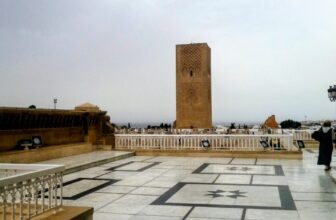
Next, head to the Hassan Tower esplanade. The unfinished Almohad mosque project and its monumental minaret remain among Morocco’s signature landmarks. Across the plaza, the Mausoleum of Mohammed V adds modern dynastic significance through its architecture and ceremonial setting.
This pairing matters because it links medieval imperial ambition with contemporary state symbolism in one location. Few stops explain Rabat’s political continuity as clearly.
Lunch Near the River Corridor
After the monument zone, move toward the Bouregreg waterfront for lunch. Riverside restaurants and cafés provide a slower atmosphere after a monument focused morning. Choose seating with views toward Salé, the marina, or the bridges.
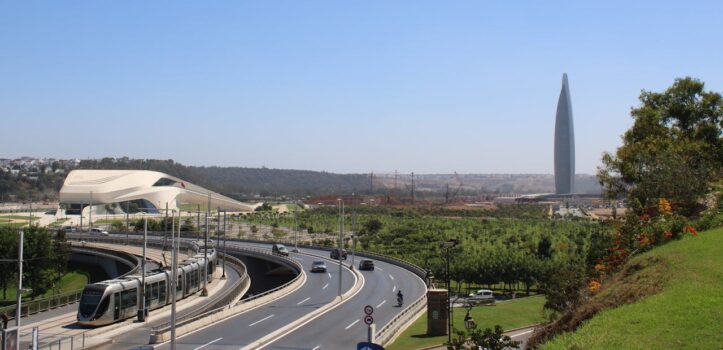
The area also reflects urban redevelopment that improved public space, pedestrian circulation, and leisure access around the estuary.
Afternoon Bouregreg Promenade
Spend the afternoon walking the promenade. Depending on pace, you can continue toward marina sections, landscaped public areas, and tram linked crossings. The riverfront demonstrates how Rabat balances heritage tourism with new urban amenities.
For evening ideas, see our Bouregreg Valley Rabat night walk guide.
Riverside Café Finish
Close the Rabat two-day cultural loop with coffee, tea, or dessert at a riverside café. Sunset is usually the strongest moment because the light falls across both Rabat and Salé. This final stop gives time to reflect, sort photos, and enjoy the city at a slower rhythm.
How Rabat Connects Heritage and Vision 2030
Travelers increasingly search for how Morocco’s cities are changing before 2030. Rabat offers one of the clearest examples. Restoration campaigns support UNESCO zones, museum investment strengthens cultural infrastructure, tram systems improve movement, and digital tools help visitors interpret sites.
These projects matter because preservation alone does not guarantee a good visitor experience. Cities also need signage, mobility, public space, and modern institutions.
Explore more in our feature on the virtual reality Almohad Rabat Bouregreg experience and the Rabat Patrimoine heritage app.
Where to Stay for This Itinerary
Kasbah and Medina Side
Choose this area for charm, sea proximity, and walkable access to the Udayas.
Ville Nouvelle
Choose this zone for transport convenience, business hotels, and restaurant variety.
Agdal and Modern Districts
Choose these neighborhoods for contemporary stays, nightlife, and easier parking.
Common Questions
Is two days enough for Rabat?
Yes. Two days covers major highlights at a comfortable pace. A third day helps if you want beaches, extra museums, or Salé exploration.
Can you do Rabat without a car?
Yes. Taxis, trams, and walking make this one of Morocco’s easiest large cities to visit without driving.
Is Rabat good for families?
Yes. Parks, open plazas, riverfront paths, and calmer traffic patterns help compared with denser historic cities.
Alternative Extension, Three Days
If you can stay longer, add gardens, Salé medina, beach time, or a slower museum schedule. Our what to visit in Rabat in 3 days guide expands the route.
Final Verdict
The best Rabat two-day cultural loop combines the Kasbah of the Udayas, national museums, Chellah, Hassan Tower, and riverside cafés because these stops explain the city from multiple angles. You see Rabat as fortress, capital, archaeological landscape, and modern waterfront. With efficient routing and balanced pacing, two days can feel complete rather than rushed.