Planning an international trip requires clear sequencing, especially when the destination combines diverse regions, climates, and cultural norms. This guide explains how to plan an international trip to Morocco step by step, with a focus on logistics, timing, budgeting, and on-the-ground execution. Each stage builds on the previous one, which helps reduce friction during travel and ensures that your itinerary aligns with both practical constraints and local conditions.
Morocco’s tourism strategy emphasizes accessibility, infrastructure upgrades, and regional diversity, which makes structured planning essential for first time visitors. As outlined in the MoroccoBeat editorial calendar :contentReference[oaicite:0]{index=0}, tourism content increasingly connects travel preparation with national developments such as major events and infrastructure improvements. This context matters because it directly affects transport availability, accommodation demand, and pricing dynamics.
Step 1: Define Travel Objectives and Route Structure
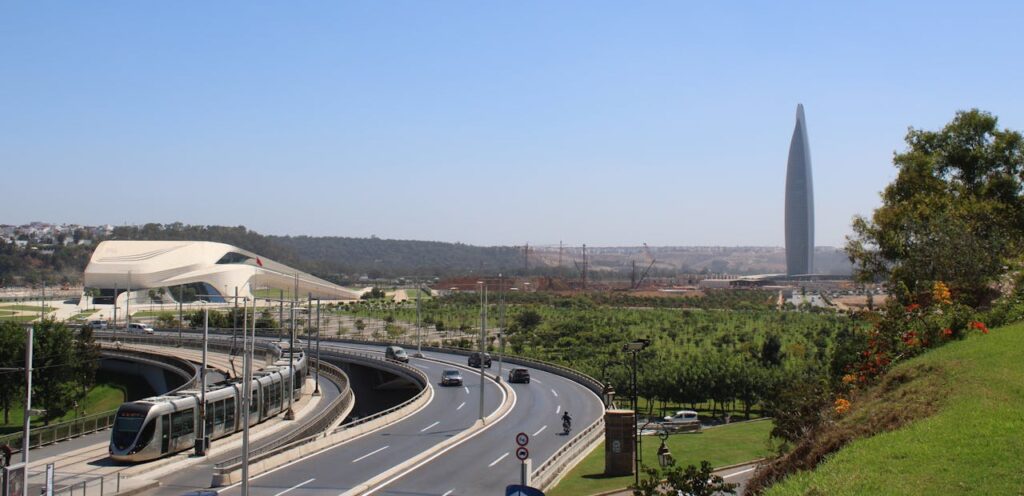
Start by identifying the purpose of your trip, since this decision shapes every logistical choice that follows. Travelers typically choose between cultural exploration, coastal relaxation, desert experiences, or a combination of all three. Once defined, map a route that reflects geographic realities rather than idealized distances.
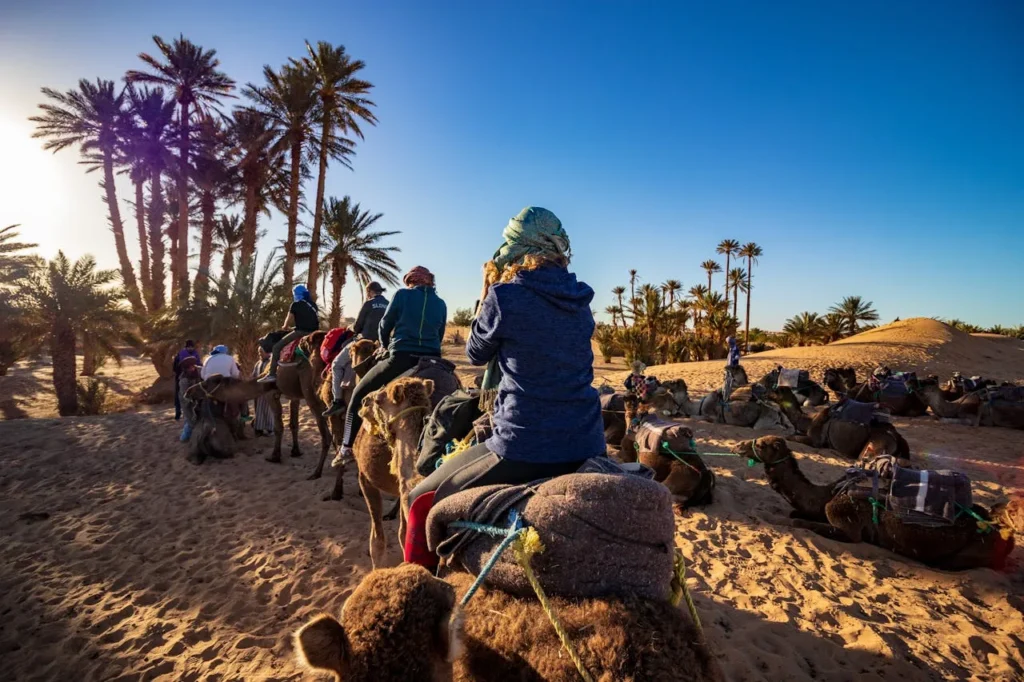
Morocco’s main travel corridor runs between Casablanca, Rabat, Fes, and Marrakech, all connected by rail. For example, the train journey between Casablanca and Fes takes about 4 hours, while Marrakech to Tangier via high speed train requires around 5 hours with a transfer. If you include the Sahara Desert, you must allocate additional time, as travel from Marrakech to Merzouga takes 8 to 10 hours by road.
At this stage, avoid overloading your itinerary. In practice, limiting your trip to 3 to 4 main destinations allows you to experience each location without constant transit fatigue. This approach also reduces exposure to delays and improves overall travel quality.
Step 2: Choose the Right Travel Season
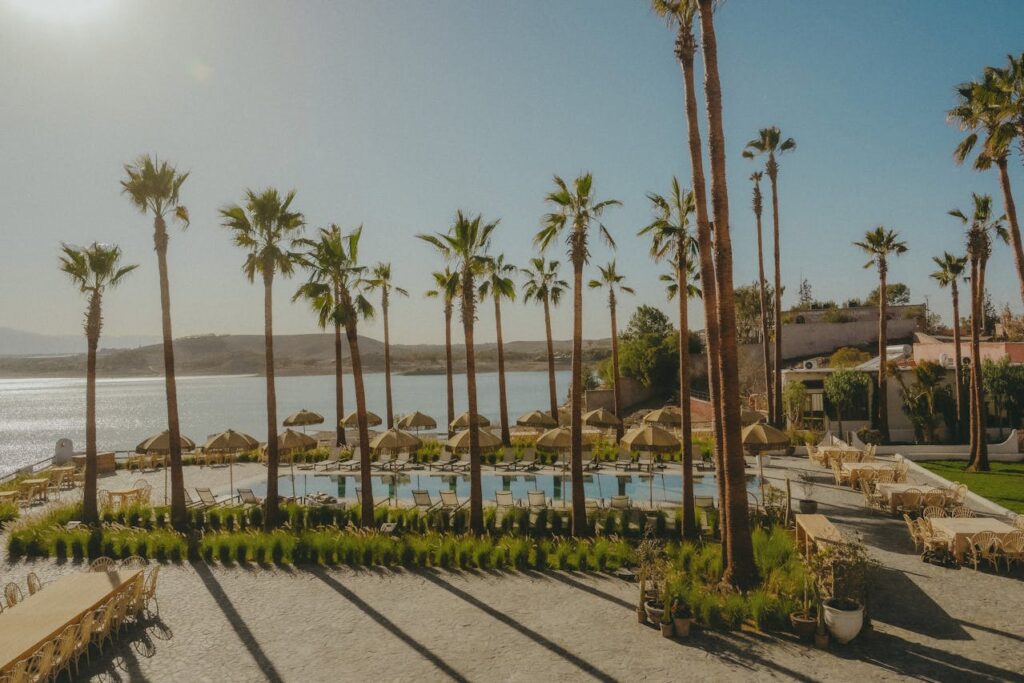
Once your route is defined, align it with Morocco’s seasonal conditions. Climate varies significantly between regions, which means timing directly impacts comfort and accessibility.
Spring, from March to May, offers balanced temperatures across most regions, which makes it suitable for combined itineraries. You can review detailed seasonal breakdowns in this guide:
Spring Morocco Travel Guide.
Summer introduces high temperatures in inland cities such as Marrakech and Fes, often exceeding 40°C, while coastal areas like Essaouira remain moderate. Autumn provides similar advantages to spring, while winter brings cooler temperatures and occasional snow in mountain regions.
Choosing the correct season ensures that your itinerary remains feasible. For example, desert excursions are significantly more manageable in spring or autumn compared to peak summer conditions.
Step 3: Verify Entry Requirements and Travel Documents
Before booking any transport, confirm visa requirements based on your nationality. Many travelers can enter Morocco visa free for stays up to 90 days, but passport validity must extend at least six months beyond your arrival date.
At this stage, also prepare supporting documents such as accommodation confirmations and return tickets, as border officials may request them. Travel insurance is strongly recommended, especially for trips involving desert tours or mountain activities.
Handling documentation early prevents disruptions later in the planning process, particularly when aligning flights and accommodations.
Step 4: Book International Flights Strategically
After confirming entry requirements, proceed with flight booking. Morocco’s main international gateways include Casablanca Mohammed V Airport, Marrakech Menara Airport, and Tangier Ibn Battouta Airport.
Casablanca typically offers the widest range of international connections, while Marrakech often provides competitive pricing for European routes. Booking flights 2 to 4 months in advance usually yields better fares, especially outside peak travel periods.
Consider open jaw tickets, where you arrive in one city and depart from another. This approach reduces backtracking and aligns with a linear travel route, which improves efficiency and saves time.
Step 5: Structure Internal Transportation
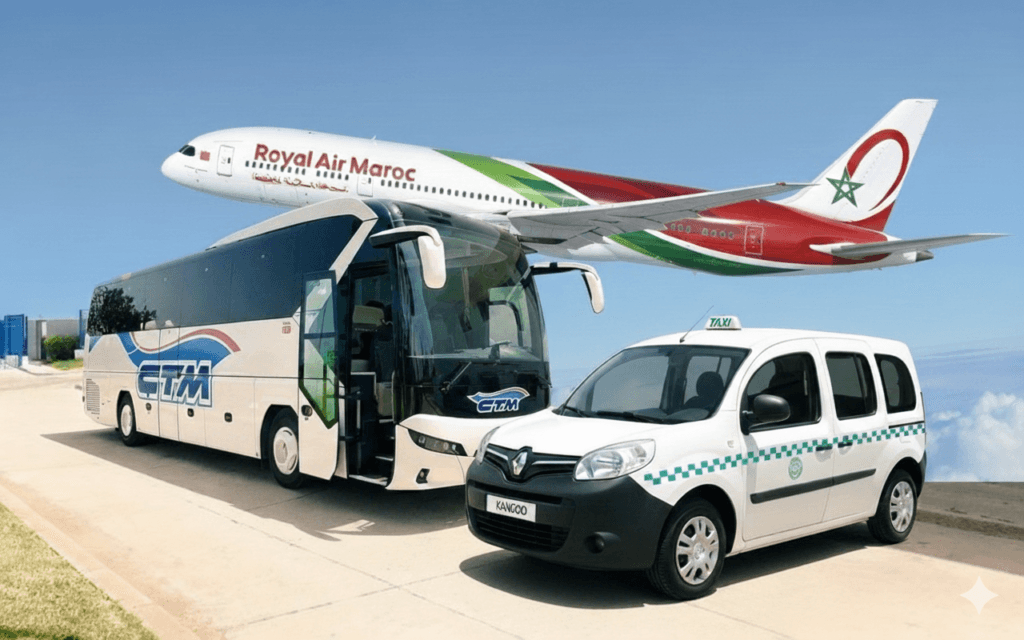
Once flights are secured, organize transportation within Morocco. The national rail operator ONCF connects major cities with reliable schedules and fixed pricing. High speed trains operate between Tangier, Rabat, and Casablanca, reducing travel time significantly.
For destinations outside the rail network, such as Chefchaouen or desert regions, you will rely on buses, private transfers, or organized tours. Companies like CTM and Supratours provide structured bus services with consistent schedules.
Planning internal transport in advance ensures continuity between destinations. It also helps avoid last minute price increases, particularly during high demand periods.
Step 6: Book Accommodation Based on Location Strategy
Accommodation selection should follow your transport plan. In major cities, choose locations near train stations or medina entrances to simplify movement. Riads offer traditional experiences within historic districts, while hotels provide standardized amenities and easier access.
Prices vary depending on season and city. In Marrakech, mid range riads typically cost between 60 and 120 euros per night, while luxury properties exceed 200 euros. In Fes, similar accommodations often come at slightly lower rates.
Booking early secures better options and allows you to align accommodation with your daily itinerary. This step becomes critical in cities with complex layouts, where location directly affects travel time.
Step 7: Plan Daily Activities with Realistic Timing
After securing accommodation, design a day by day plan that reflects travel times and local rhythms. Medina exploration, for example, requires flexible scheduling due to narrow streets and navigation complexity.
Allocate full days for major cities such as Marrakech and Fes, while smaller destinations like Chefchaouen can be explored in one to two days. Desert excursions typically require at least two nights to justify the travel time.
Integrating realistic pacing prevents itinerary overload and allows for unplanned discoveries, which are common in Moroccan travel experiences.
Step 8: Understand Local Culture and Practical Norms
Before departure, review cultural practices and travel etiquette. Morocco maintains a balance between traditional and modern lifestyles, which requires respectful behavior from visitors.
Dress modestly in conservative areas, especially in smaller towns. Bargaining is common in souks, but it follows a structured negotiation pattern rather than arbitrary pricing. Learning basic greetings in Arabic or French improves interactions and often leads to better service.
For a comprehensive overview, refer to this guide:
Morocco Travel Tips and Things to Know.
Understanding these norms enhances your experience and reduces friction during daily interactions.
Step 9: Prepare Connectivity and Digital Tools
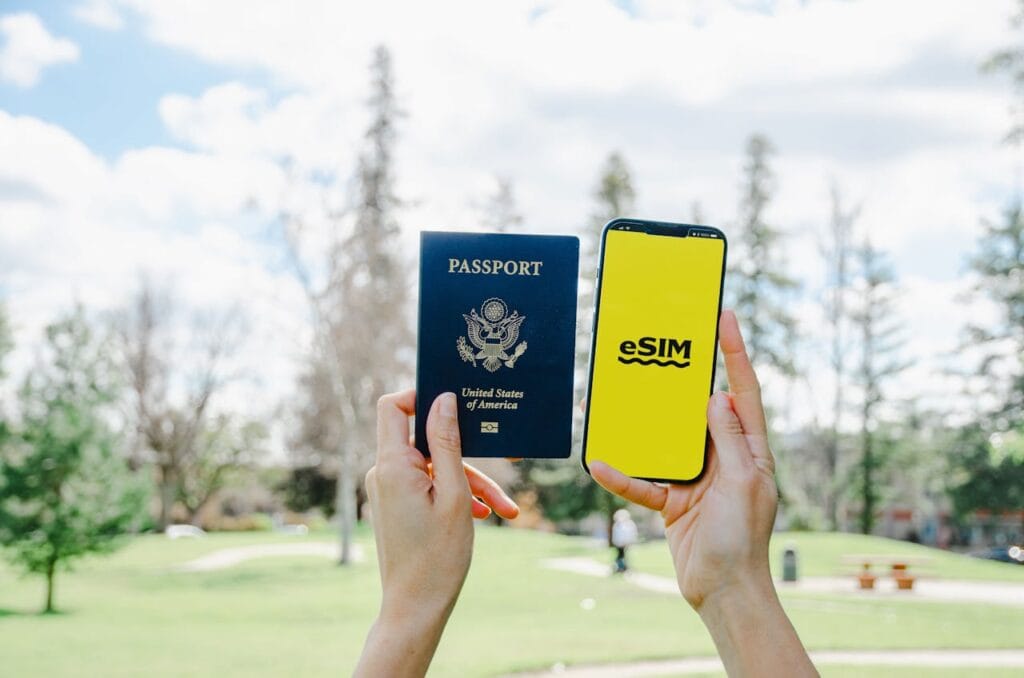
Reliable internet access supports navigation, bookings, and communication. While Wi Fi is widely available in hotels and cafes, mobile data provides consistent coverage during travel.
Using an eSIM simplifies connectivity by eliminating the need for physical SIM cards. Setup can be completed before arrival, which ensures immediate access upon landing. Detailed setup guidance is available here:
eSIM Morocco Guide.
This preparation step reduces dependency on local infrastructure and supports smoother navigation between destinations.
Step 10: Address Safety and Special Travel Needs
Safety planning should be integrated into your itinerary rather than treated as a separate concern. Morocco remains a stable destination, but awareness of common situations such as unsolicited guides or pricing misunderstandings helps avoid inconvenience.
Review this resource for structured safety advice:
Morocco Travel Safety Guide.
If you travel solo or with specific requirements, adapt your plan accordingly. For example, solo female travelers benefit from selecting accommodations with strong reviews and central locations. This guide provides detailed strategies:
Solo Female Travel in Morocco.
Families should also consider logistics such as travel pace and accommodation type. You can find tailored recommendations here:
Traveling to Morocco with Kids.
Addressing these factors early ensures that your trip remains aligned with your personal context and expectations.
Step 11: Build a Practical Budget Framework
Budget planning should reflect both fixed and variable costs. Flights and accommodation represent the largest expenses, while daily costs include food, transport, and activities.
On average, daily expenses range from 30 to 60 euros for budget travelers, 70 to 150 euros for mid range travel, and higher for luxury experiences. Meals in local restaurants typically cost between 3 and 10 euros, while guided tours vary depending on duration and location.
Structuring your budget in advance allows you to allocate resources efficiently and avoid unexpected financial constraints during the trip.
Step 12: Final Pre Departure Checks
As your departure date approaches, confirm all bookings and review your itinerary for consistency. Print or download copies of reservations, check weather forecasts, and prepare appropriate clothing.
At this stage, also notify your bank of international travel to prevent card restrictions. Pack essential items such as adapters, medications, and copies of important documents.
Completing these checks ensures that your travel plan transitions smoothly from preparation to execution.
Conclusion: Integrating Planning into a Cohesive Travel Experience
Planning an international trip to Morocco requires coordination across multiple layers, including logistics, timing, and cultural understanding. Each step builds on the previous one, which creates a structured process that reduces uncertainty and improves overall efficiency.
When executed correctly, this approach transforms a complex itinerary into a manageable sequence of decisions. As a result, travelers can focus on experiencing Morocco’s cities, landscapes, and cultural depth without operational disruptions.