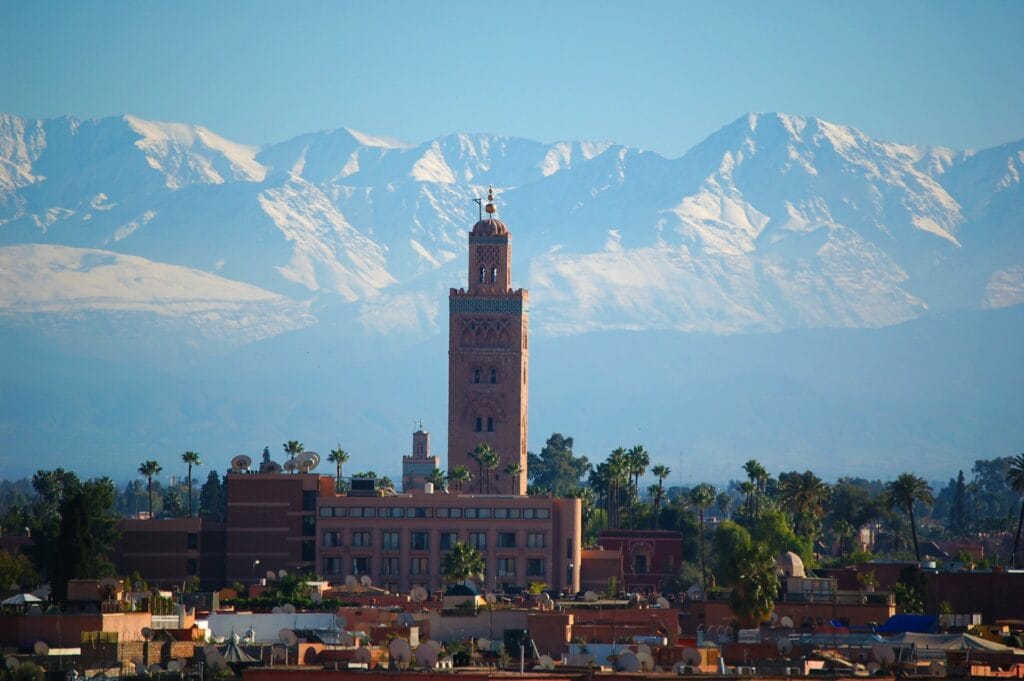
Photo by Moussa Idrissi via Pexels
Winter transforms Morocco’s mountains into a landscape of snow-covered peaks, silent valleys, and highland villages where daily life adapts to altitude and cold. Far from the desert clichés, the Atlas ranges offer skiing, winter hiking, cultural stays, and dramatic scenery within a few hours of major cities. This guide explains what travellers need to know before exploring Morocco’s mountains in winter, where to go, what to expect, and how to plan responsibly.
The Atlas Mountains: A Winter Overview
The Atlas system stretches across central Morocco and is divided into three main ranges: the High Atlas, Middle Atlas, and Anti-Atlas. Each behaves differently in winter.
The High Atlas receives significant snowfall and alpine conditions, the Middle Atlas becomes cold and forested, while the Anti-Atlas remains relatively mild and dry. This diversity allows Morocco to offer multiple winter mountain experiences at the same time.
The High Atlas: Snow, Peaks, and Berber Valleys
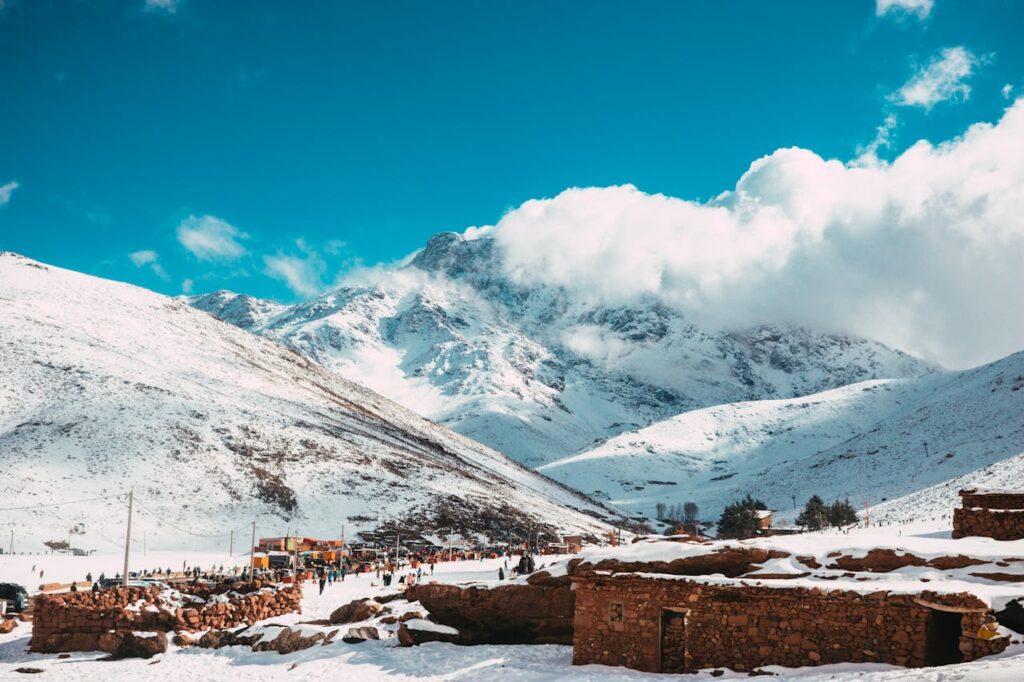
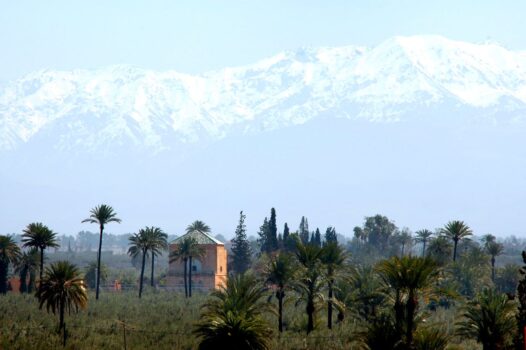
The High Atlas is Morocco’s highest and most dramatic range. In winter, it resembles a true alpine environment, particularly around Jebel Toubkal, which rises to 4,167 meters.
Most winter visitors begin in Imlil, a mountain village less than two hours from Marrakech. From here, travellers can access snow-covered valleys, frozen rivers, and traditional Amazigh villages built of stone and earth.
Winter trekking in the High Atlas is possible, but it is not casual hiking. Snow, ice, and cold temperatures require proper equipment and experienced local guides. Even without attempting a summit, walking between villages in winter offers a rare glimpse into mountain life under snow.
What to expect
- Daytime cold and freezing nights
- Snow-covered paths and high passes
- Guesthouses with fireplaces and traditional meals
Oukaïmeden: Skiing in the High Atlas
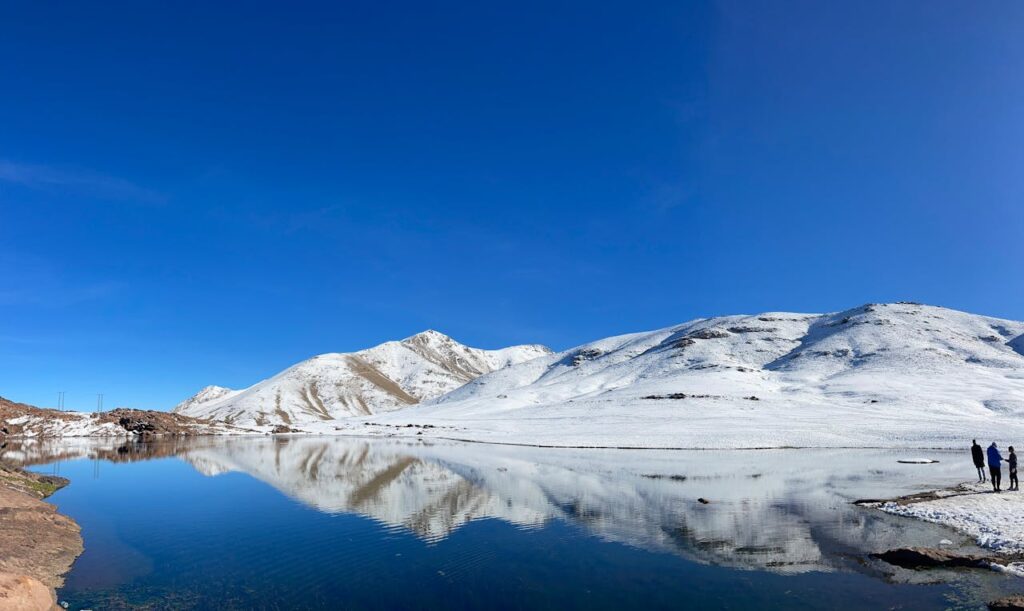
One of Morocco’s most unexpected winter destinations is Oukaïmeden, located at over 2,600 meters in the High Atlas. It is the country’s main ski area and among the highest in Africa.
The resort is simple but authentic. Ski lifts, rental shops, and cafés operate when snowfall is sufficient, attracting Moroccan families and adventurous visitors. Beyond downhill skiing, Oukaïmeden is also suitable for snowshoeing and ski touring across open plateaus with panoramic mountain views.
Its proximity to Marrakech makes it a unique day trip or overnight winter escape.
Aït Bougmez and the Central High Atlas: Silence and Snow
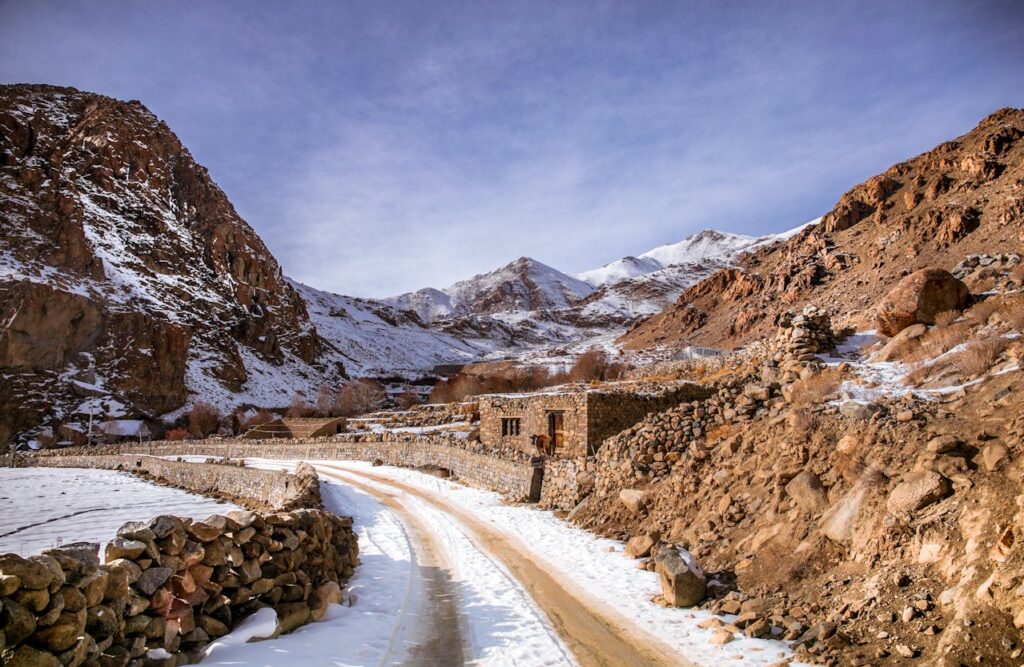
Deeper into the mountains, the Central High Atlas offers a slower and more isolated winter experience. The M’Goun Massif dominates this region, while the nearby Aït Bougmez valley is known for its strong community life and terraced agriculture.
In winter, snow can cut off villages for days, reinforcing traditional rhythms. For travellers, this means limited mobility but exceptional authenticity. Lower-altitude walks are possible, while higher routes demand winter mountaineering skills.
This area is best suited to experienced travellers seeking cultural immersion rather than comfort or speed.
The Middle Atlas: Forests and Cold-Weather Escapes
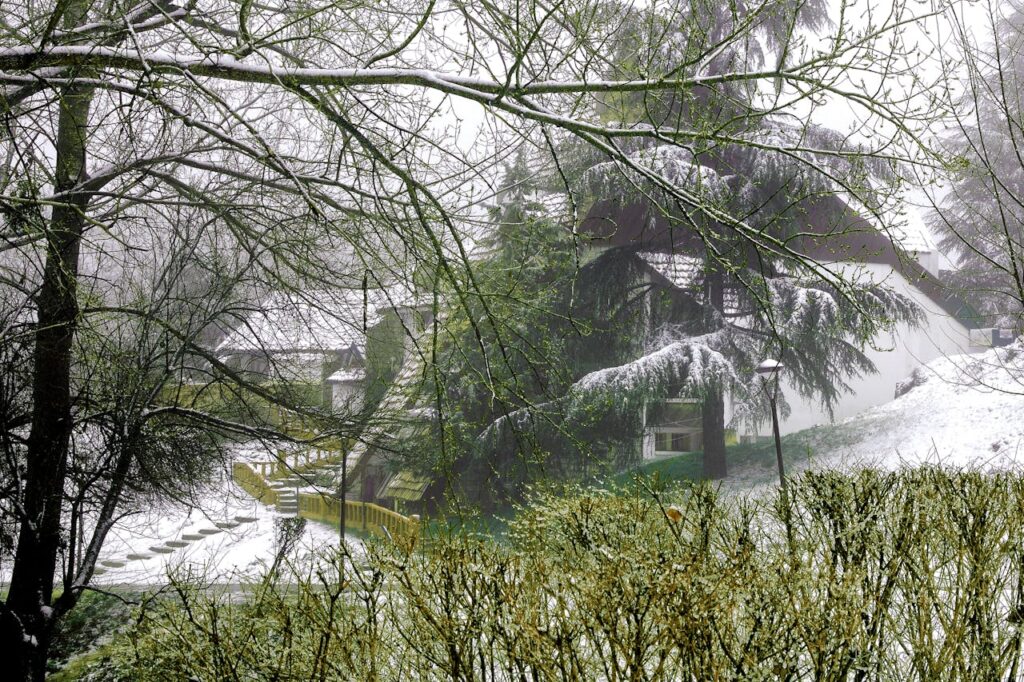
The Middle Atlas offers a gentler winter mountain environment. Towns such as Ifrane and Azrou are known for their cold winters, alpine-style architecture, and nearby cedar forests.
Snowfall is common, especially around forested areas where Barbary macaques live. This region is popular with domestic travellers and families, offering easy access, paved roads, and short walks rather than demanding treks.

For visitors based in Fez or Meknes, the Middle Atlas provides a practical winter nature escape without technical requirements.
The Anti-Atlas: Winter Sun and Stone Landscapes
Southern Morocco tells a different winter story. The Anti-Atlas, around Tafraoute, remains mild and sunny during the colder months. Instead of snow, travellers find pink granite formations, palm-lined valleys, and open skies.
Winter is the ideal season here for walking, photography, and exploring Amazigh villages. Routes pass through dramatic rock formations, including the famous Painted Rocks, making the Anti-Atlas one of Morocco’s most visually distinctive mountain regions.
Practical Planning for Winter Travel
Best period
- December to February: Snow in High and Middle Atlas, ski season
- January to March: Optimal conditions in the Anti-Atlas
Where to base yourself
- Marrakech for High Atlas and Oukaïmeden
- Meknes or Fez for Middle Atlas
- Agadir or Tiznit for the Anti-Atlas
Safety and preparation
Winter conditions can change rapidly. Snow, ice, and road closures are possible at high altitude. Hiring licensed local guides is strongly recommended for any snow trekking. Warm clothing, waterproof footwear, and travel insurance covering mountain activities are essential.
Why the Atlas Mountains Matter in Winter
Winter travel in Morocco’s mountains supports regions often excluded from mainstream itineraries. Staying in local guesthouses, hiring mountain guides, and visiting remote valleys contribute directly to rural economies while preserving cultural heritage.
At the same time, the Atlas ranges offer something increasingly rare: quiet landscapes, strong traditions, and seasonal authenticity.
Conclusion
Morocco’s Atlas Mountains in winter reveal a side of the country that is both rugged and refined. From snowy High Atlas villages and ski slopes to sunlit Anti-Atlas valleys, winter is not an off-season, t is a different season, defined by contrast, calm, and depth. For travellers seeking meaningful experiences beyond the obvious, the Moroccan mountains in winter are worth knowing, and worth the journey.
Related:
- Marrakech Ultimate Travel Guide: Special CAN 2025 Edition
- Meknès Revisited: Imperial Calm Between Fès and Volubilis
- Gueliz vs. the Old Medina: Where Marrakech’s Heart Beats Louder
- Fez Travel Guide for AFCON 2025 Fans: Everything You Need to Know
- Cycling Tourism in Morocco, Complete Guide to Routes, Tips & Cultural Discovery