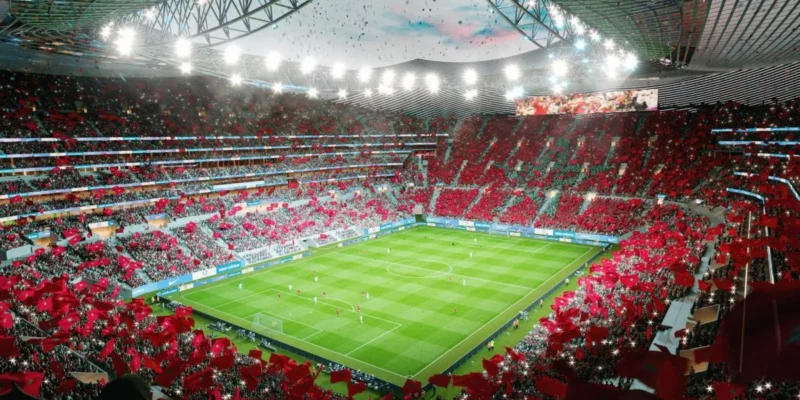
Morocco has a compelling case to host the 2030 World Cup Final ahead of Madrid, driven by Grand Stade Hassan II, infrastructure upgrades, continental symbolism, and stronger long term legacy potential.
Morocco has a compelling case to host the 2030 World Cup Final ahead of Madrid, driven by Grand Stade Hassan II, infrastructure upgrades, continental symbolism, and stronger long term legacy potential.
Explore the 2030 World Cup centenary matches and how the tournament connects South America with Morocco, Spain, and Portugal.
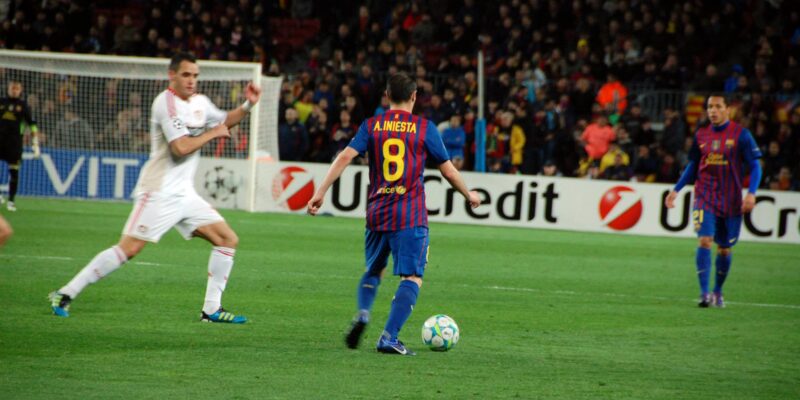
Andrés Iniesta is reportedly linked to Morocco’s 2030 World Cup preparations through a professional relationship with Brahim Díaz’s father, fueling speculation about a potential advisory or promotional role within Moroccan football.
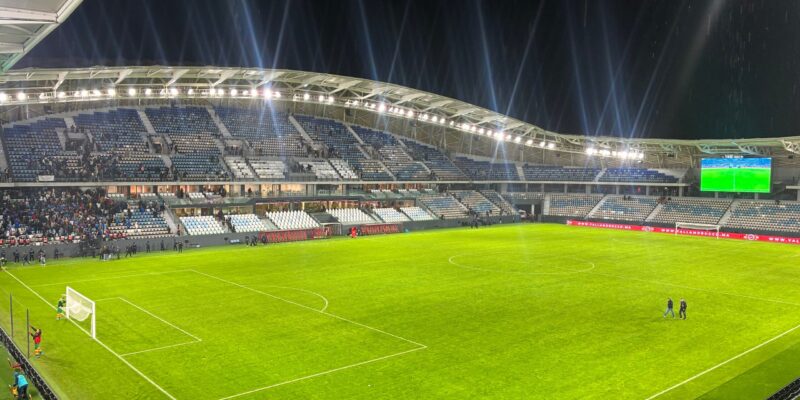
Morocco has created five regional stadium management companies to oversee major sports infrastructure in key host cities, reinforcing governance and financial sustainability ahead of the 2030 FIFA World Cup.
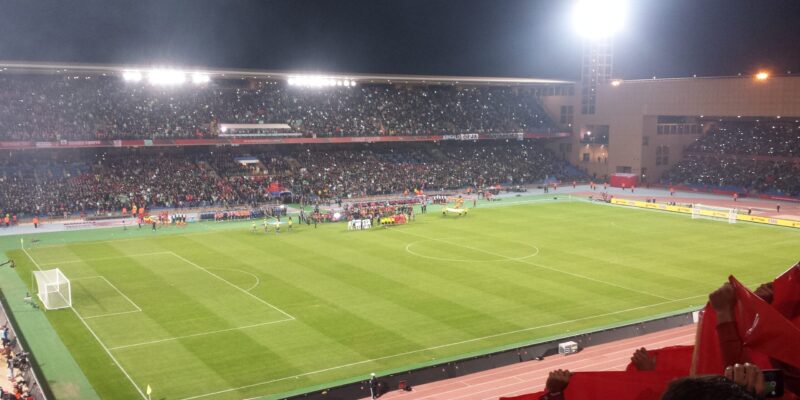
The Grand Stade de Marrakech will remove its athletics track and increase capacity to 46,000 seats as part of Morocco’s preparations for the 2030 FIFA World Cup. The stadium will close during renovation works aimed at meeting FIFA’s strict technical standards.
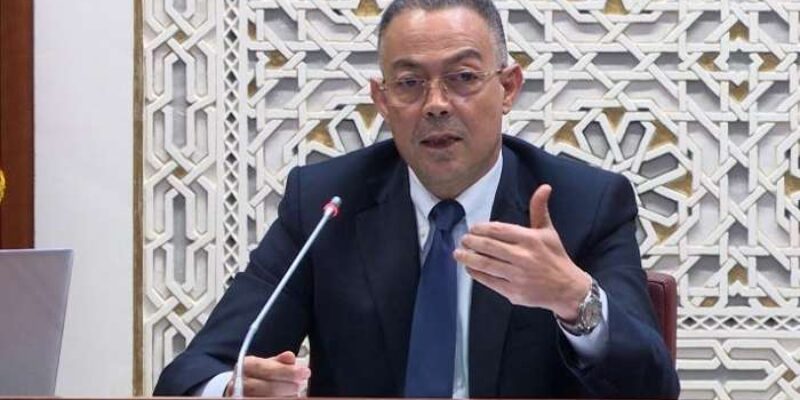
Morocco is preparing for the 2030 World Cup with the ambition of delivering the greatest edition ever, building on AFCON 2025 and strong cooperation with Spain and Portugal.
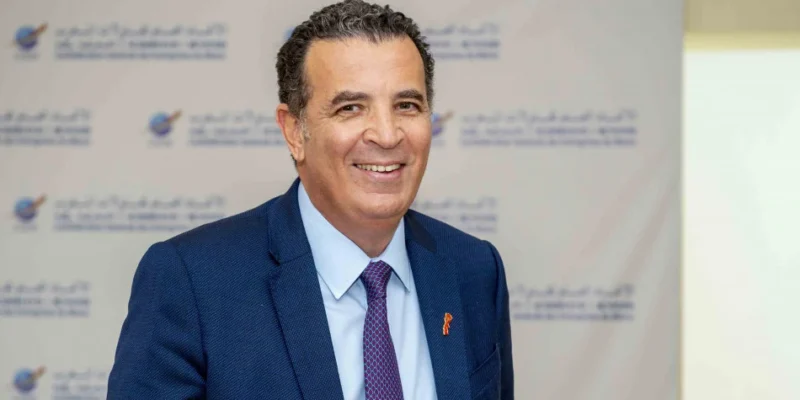
CGEM highlights AFCON as proof of Morocco’s readiness for World Cup 2030, citing economic impact, job creation, and regional cooperation.