Photo by Scarbor Siu via Pexels
Rabat is advancing a major step in urban mobility with the rollout of its Bus Rapid Transit (BRT) system, locally referred to as BHNS. The project is designed to respond to rising transport demand across the Rabat–Salé–Témara metropolitan area, while reshaping how public transport infrastructure integrates into the urban landscape.
Led by Rabat Région Mobilité, the initiative reflects a broader shift toward high-capacity, surface-based transport solutions that combine efficiency with controlled investment costs.
Modern Station Design at the Heart of the BRT Vision
A key feature of Rabat’s BRT project lies in the design of its future passenger stations. Authorities are prioritizing stations that go beyond basic functionality, aiming instead for a contemporary architectural identity that enhances the city’s public spaces. Planned stations will feature weather protection, clear passenger information, accessibility for all users, and layouts adapted to different urban environments.
Both single-platform and dual-platform configurations are foreseen, depending on corridor width and passenger flow. This design-led approach positions stations as visible elements of the city’s transformation, not merely transit stops.
A 48-Kilometer Network Structuring Urban Mobility
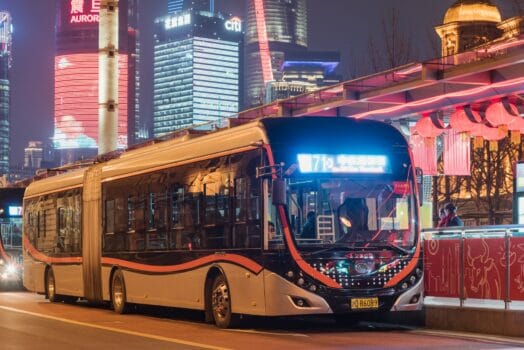
The BRT network is planned to span nearly 48 kilometers, organized around four main corridors connecting residential areas, administrative centers, and economic hubs. Operating on dedicated lanes, BRT vehicles are expected to offer faster travel times, improved reliability, and higher frequency than conventional bus services.
Implementation will follow a phased schedule, aligned with Rabat’s long-term mobility strategy and national infrastructure priorities, including preparations linked to the 2030 FIFA World Cup. Alongside tramway extensions and rail upgrades, the BRT system is set to become a central pillar of the capital’s evolving transport ecosystem, supporting sustainable growth and improved quality of urban life.
Source: Lavieeco.com