Photo Credit: Moussa Idrissi/ Pexels
The city of Salé has inaugurated a new Museum of Musical Instruments, strengthening its cultural landscape and reinforcing its role in preserving Morocco’s artistic heritage. With this initiative, local authorities aim to give Moroccan music a permanent and structured space that reflects its historical depth and regional diversity.
The museum occupies a restored heritage site and presents a carefully selected collection of traditional instruments from across the country. Visitors can discover string, wind, and percussion instruments that have shaped Moroccan musical expression for generations. Each display places the instrument within its cultural and historical context, allowing the public to understand how music accompanies social life, ceremonies, and artistic traditions.
Music as a Tool for Preserving Intangible Heritage
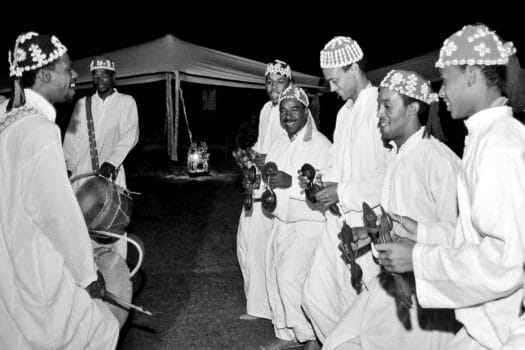
Through this museum, Salé actively contributes to the protection of Morocco’s intangible cultural heritage. Music plays a central role in Moroccan identity, from religious rituals to popular celebrations. By documenting and exhibiting instruments, the museum helps preserve knowledge that communities often transmit orally and informally.
The institution also takes on an educational mission. It welcomes students, researchers, and cultural enthusiasts, offering them a space to learn about craftsmanship, sound, and musical practices. By linking instruments to their social and historical environments, the museum promotes a living understanding of heritage rather than a static presentation.
A New Cultural Anchor for Salé
Local officials view the museum as a strategic cultural asset for the city. It complements existing heritage initiatives and contributes to Salé’s appeal as a destination of history and culture. The project also supports artists and cultural actors by giving visibility to musical traditions that continue to influence contemporary creativity.
With the opening of the Museum of Musical Instruments, Salé affirms its commitment to culture as a driver of identity, education, and continuity, while offering residents and visitors a space where Moroccan musical heritage can actively live and evolve.
Source: Maroc-diplomatique
Related: