Morocco is entering a new phase in sustainable mobility. The country has outlined a massive 78-billion-MAD investment program to reshape public transport by 2029, confirming its ambition to build cleaner, more connected and more reliable cities. The plan brings together new bus fleets, modern tramways, rapid transit corridors and regional express systems designed to support growing urban populations.
Modern Buses for Modern Cities
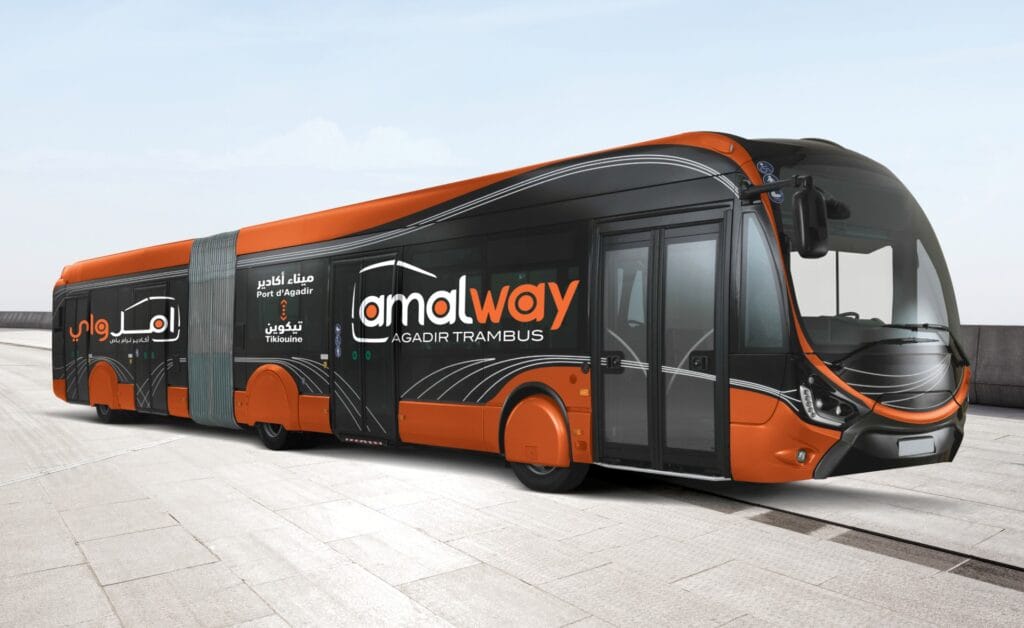
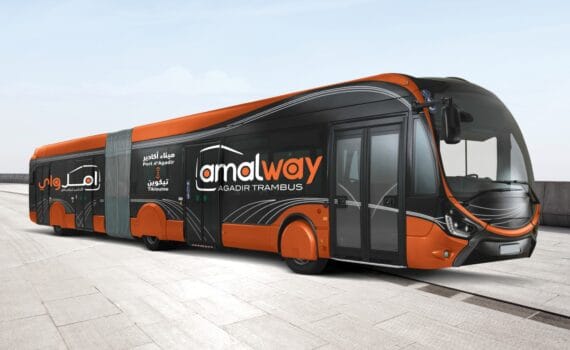
One of the most visible components of the investment plan is the arrival of 3,750 new urban buses, representing an estimated 11 billion MAD. These buses are intended to replace aging fleets and meet rising demand in major cities such as Casablanca, Rabat-Salé, Marrakech, Fes, Tangier and Agadir.
Several Moroccan cities have already begun integrating newer, safer and more energy-efficient buses, often equipped with accessible boarding, air-conditioning and digital ticketing options. The national plan aims to generalize these improvements and create a consistent standard across the country.
For many growing urban areas, upgraded bus networks remain the backbone of mobility, especially in districts that do not yet have heavy or semi-heavy transport lines.
Tramways, Busways and RER: The Core of the 67-Billion-MAD Investment
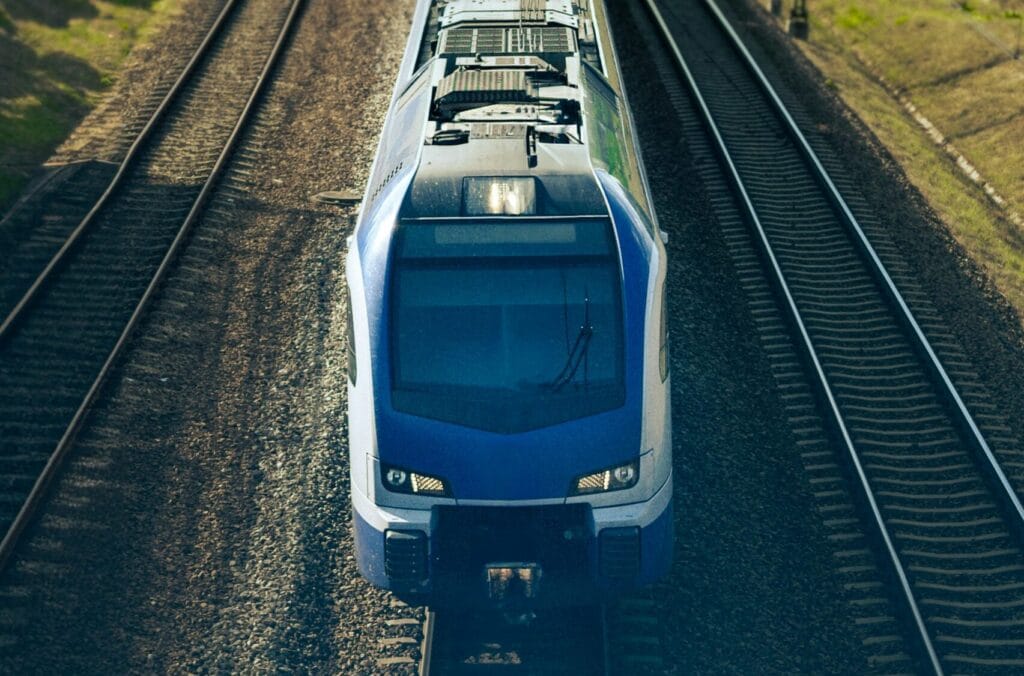
The largest part of the national effort, around 67 billion MAD, is dedicated to mass-transit systems that reduce congestion and pollution:
- New tramway lines in cities where demand continues to rise
- Bus Rapid Transit (BRT / Busways) offering fast, high-capacity corridors
- RER-type Regional Express Networks, particularly in metropolitan areas such as Casablanca
Morocco’s experience with tramways in Casablanca and Rabat-Salé has already shown how reliable, electric public transport can transform daily life. These systems improve travel time, reduce emissions and help structure urban development around quality mobility.
The expansion of tramways and BRT corridors shows how Morocco is blending global best practices with local needs, creating mobility ecosystems rather than isolated projects.
A National Shift Toward Sustainable Mobility
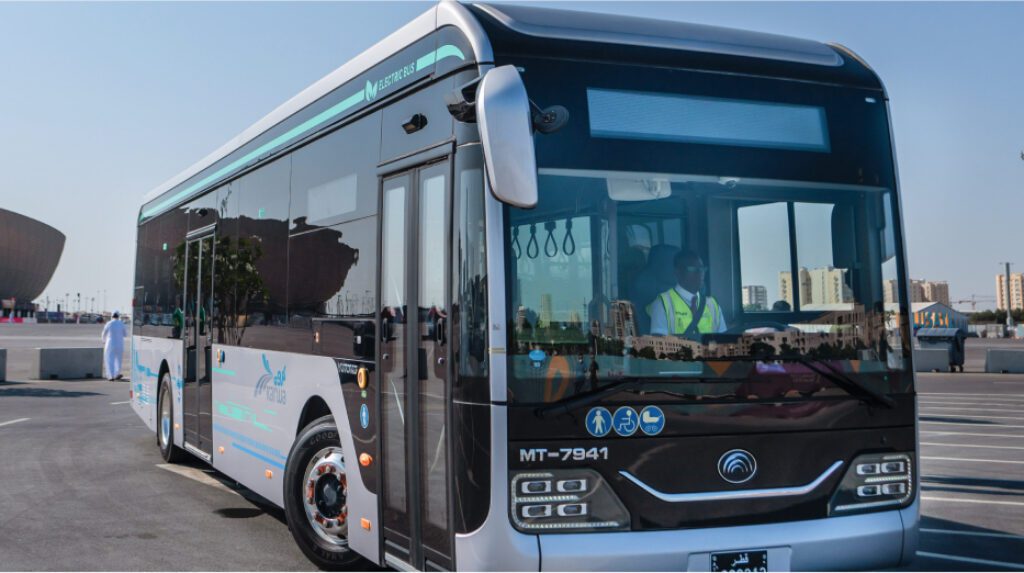
Beyond individual projects, the 78-billion-MAD strategy reflects a wider shift. Morocco is committed to promoting cleaner, safer and more inclusive public transport, aligned with international sustainability goals and its own long-term urban vision.
This approach also prepares Moroccan cities for major events such as AFCON 2025 and the 2030 World Cup, where efficient mobility will be essential for visitors and residents alike.
Most importantly, the plan aims to make everyday travel easier: shorter trips, better comfort, fewer emissions and equal access for all communities.
By 2029, Morocco’s public transport landscape will look very different. With thousands of new buses and major tramway, busway and RER projects underway, the country is building the foundations of modern mobility and signalling that sustainable transport is now a national priority.
Related: