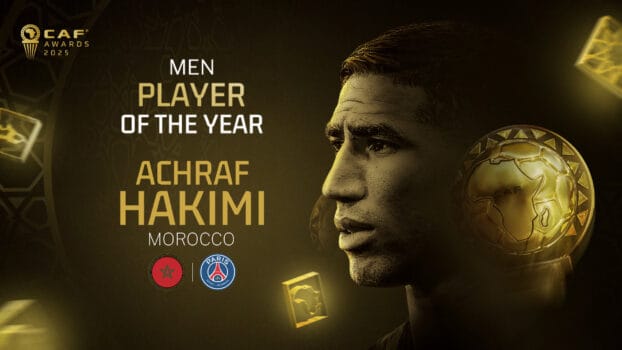
Africa’s top individual football prize has changed names over time. In the 1970s and 1980s, France Football handed out the African Ballon d’Or. Later, the Confederation of African Football (CAF) took over with the African Footballer of the Year award. Different formats, same meaning: the continent’s best player for that season.
Across both eras, five Moroccan players have climbed to the top of that podium: Ahmed Faras, Mohamed Timoumi, Badou Zaki, Mustapha Hadji and Achraf Hakimi. Together, they trace the story of Moroccan football from the romantic 1970s to the modern global game.
Ahmed Faras – The First Moroccan Golden Ball
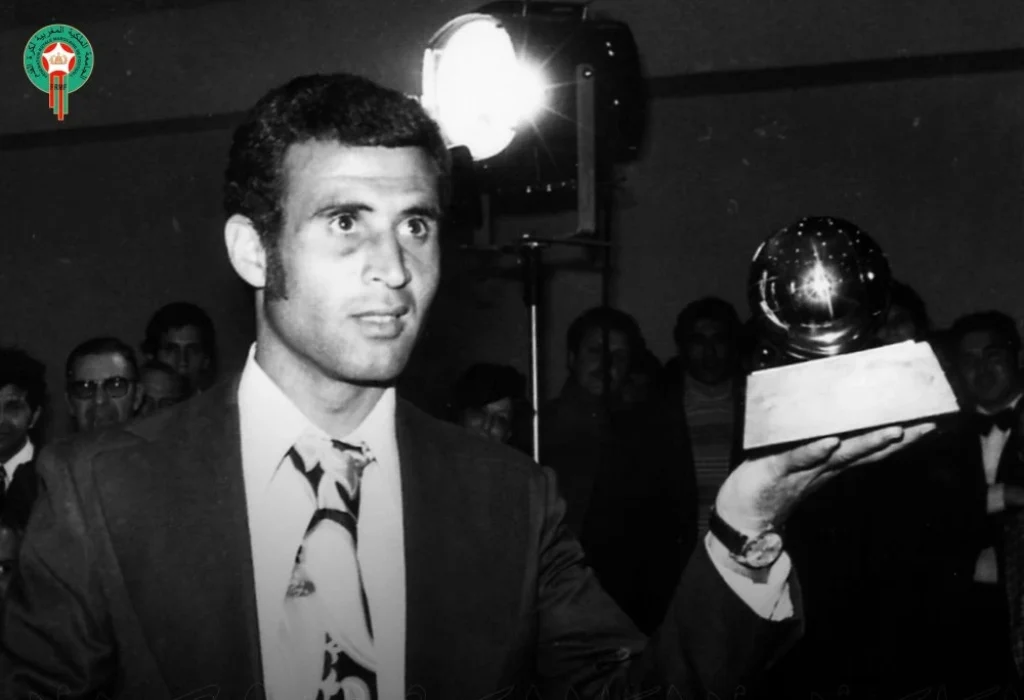
In 1975, Ahmed Faras wrote the first big chapter. The striker from Chabab Mohammédia was named African Footballer of the Year / African Ballon d’Or, becoming the first Moroccan and the first Arab player to receive the award.
Faras symbolised a generation that took Morocco to new ground: World Cup appearances, Olympic tournaments, and most famously the AFCON 1976 title, where he was one of the leaders of the squad. The award recognised more than a single season; it crowned years of consistency, goals and influence for club and country.
For many older Moroccan fans, Faras is still the reference point – the man who proved that a player from a local Moroccan club could be voted the best in Africa.
Mohamed Timoumi – The Midfield Artist
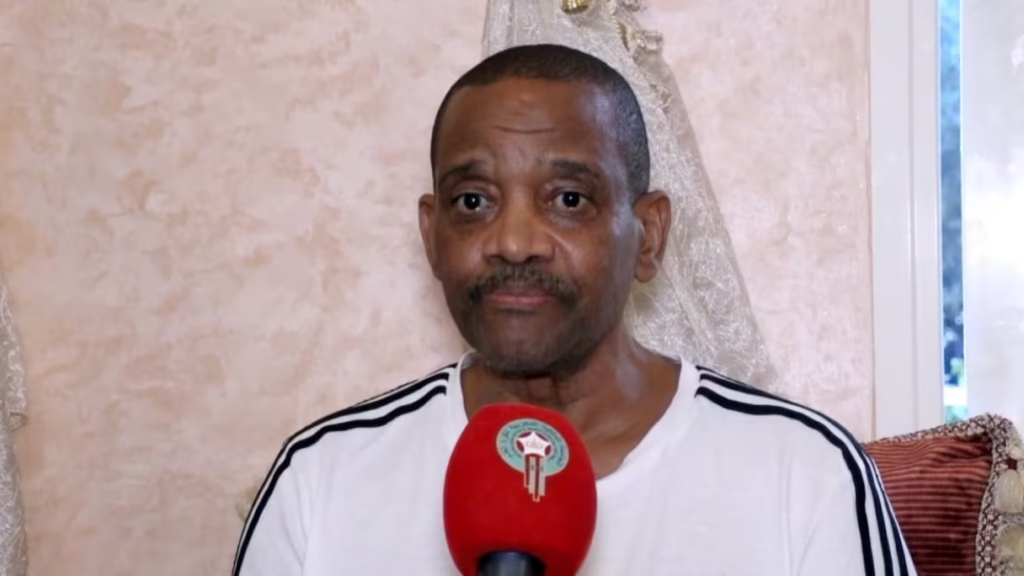
A decade later, Morocco’s football script shifted to the midfield. Mohamed Timoumi, the elegant playmaker from FAR Rabat, was voted African Footballer of the Year in 1985.
Timoumi’s game was built on vision and rhythm. With FAR Rabat he shone in domestic and continental competitions, and with the national team he helped shape the identity that would carry Morocco into the 1986 World Cup. The award also carried an important detail: Timoumi was the last player to win that distinction while still playing for a club in Africa, before the centre of gravity moved more and more towards European football.
In the collective memory, Timoumi stands for a specific style of Moroccan football: technical, intelligent, confident with the ball in tight spaces.
Badou Zaki – The Goalkeeper Who Ruled a Continent
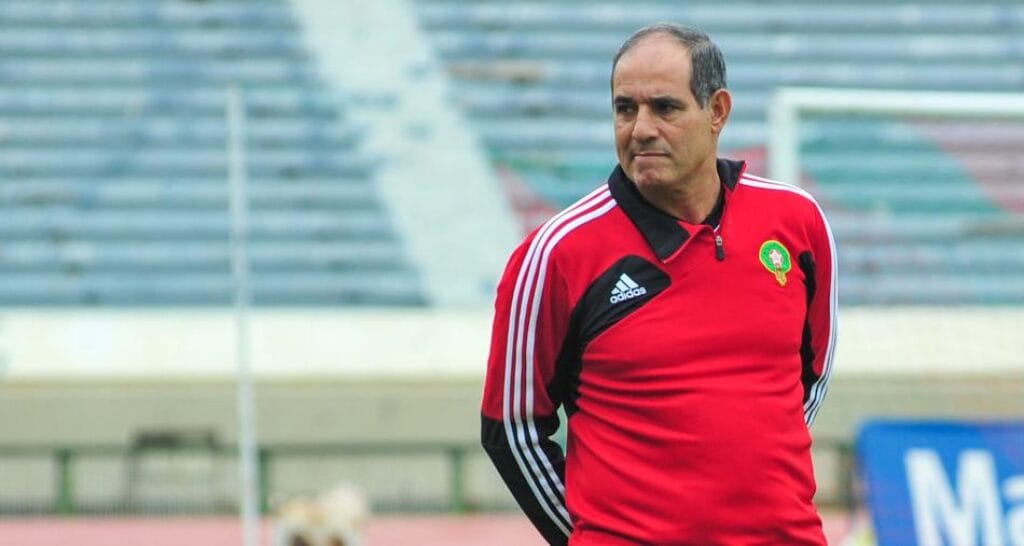
If Faras and Timoumi shaped attack and midfield, Badou Zaki redefined what an African goalkeeper could be. In 1986, he won the African Footballer of the Year award – a rare feat for someone in his position.
Zaki’s performances with Mallorca in Spain and with the Moroccan national team turned him into a continental reference. At the 1986 World Cup, his saves helped Morocco top a group that included England, Poland and Portugal, before a narrow loss to West Germany in the Round of 16. That run changed the way the world looked at African goalkeepers and at Moroccan football as a whole.
His Golden Ball summed up more than spectacular saves; it rewarded leadership, consistency and the calm presence that every big team needs at the back.
Mustapha Hadji – Morocco’s Magician of the ’90s
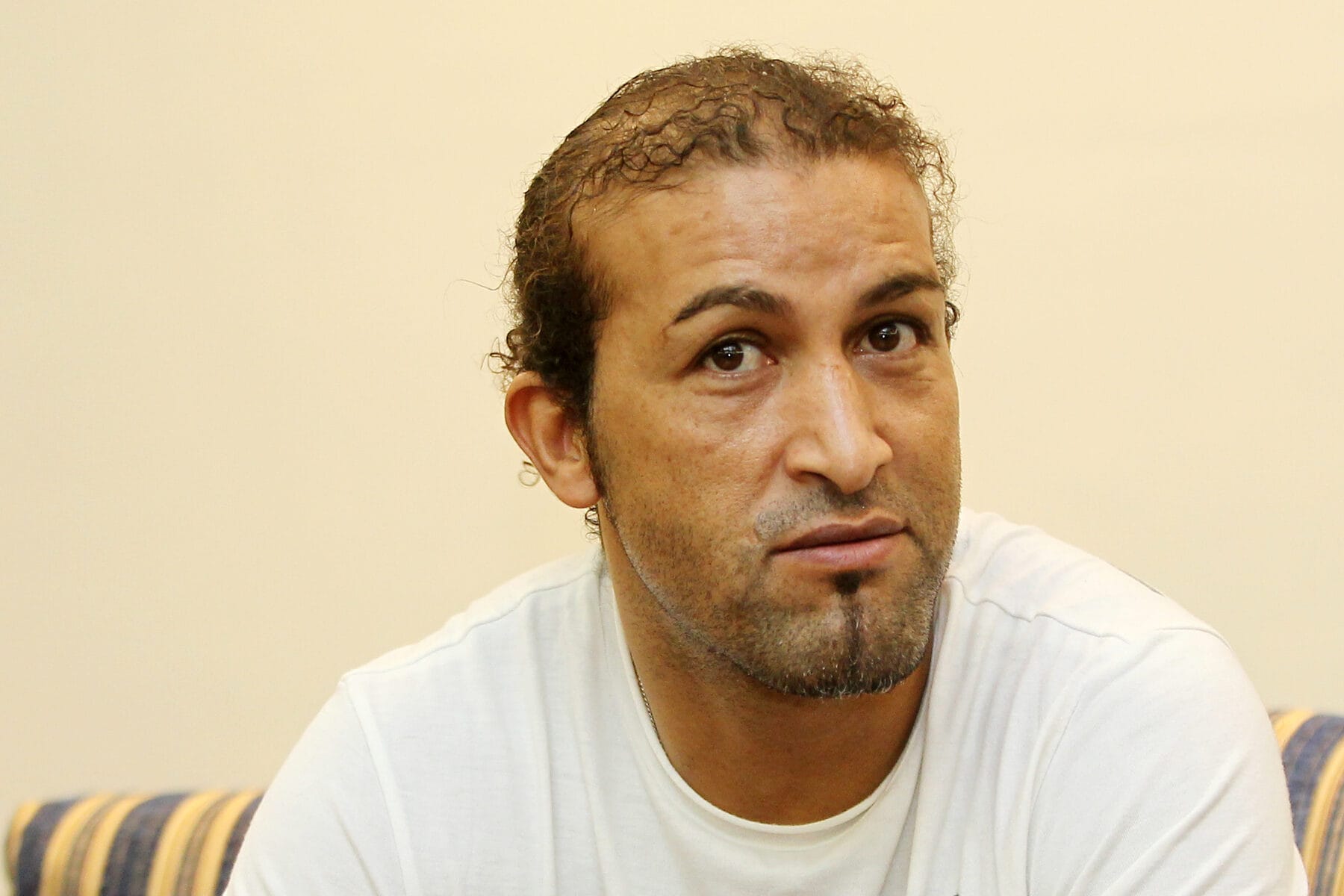
By the late 1990s, African football lived on satellite TV screens and highlight shows. Mustapha Hadji became Morocco’s face in that new era. After a dazzling 1998 World Cup, including his famous goal against Norway, he was voted African Footballer of the Year in 1998.
Hadji carried Moroccan creativity into some of Europe’s most-watched leagues: Sporting CP, Deportivo La Coruña, Coventry City, Aston Villa. For young fans in Morocco and in the diaspora, he was the player they imitated in school yards and street games, the proof that a Moroccan could shine in the Premier League and on the World Cup stage.
His award arrived at a time when the naming of the trophy had changed, but the symbolism remained the same: Africa recognised him as its best.
Achraf Hakimi – The Modern Superstar
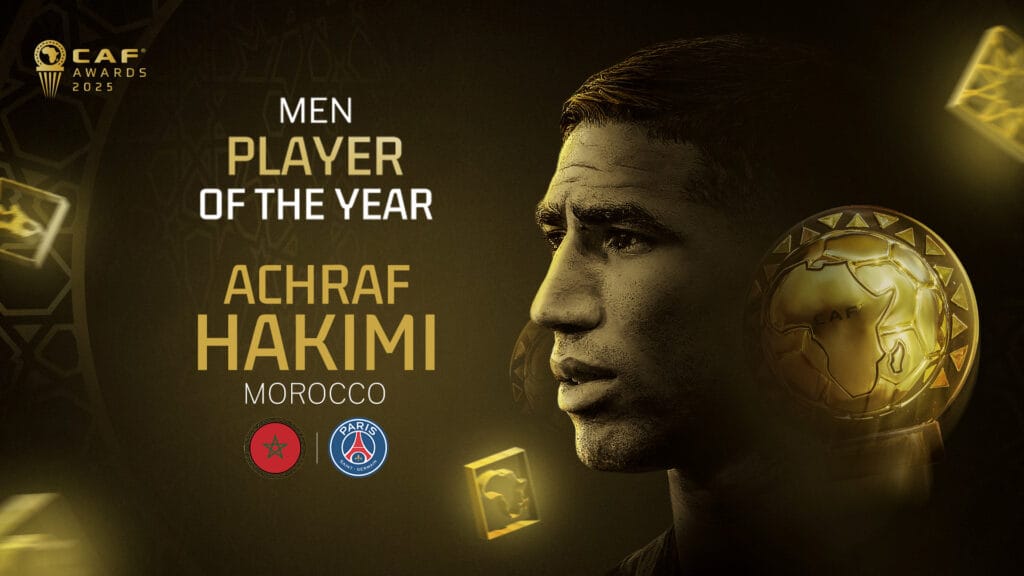
More than two decades later, another Moroccan stepped onto the CAF Awards stage. In November 2025, Achraf Hakimi was crowned African Footballer of the Year, becoming the first Moroccan to win the CAF-era trophy since Hadji.
Playing for Paris Saint-Germain, Hakimi stacked trophies in the Champions League, Ligue 1, Coupe de France and UEFA Super Cup in the same year, while leading the national team with the aura of a genuine global star.
For the wider African public, he is one of the main faces of a new generation raised in academies like Real Madrid’s, educated in the tactical schools of Europe, and emotionally tied to North African street football.
Hakimi’s award also connects directly with Morocco’s historic 2022 World Cup run, where the Atlas Lions reached the semi-finals and changed African football’s narrative once again.
One Award, Five Eras of Moroccan Football
From Faras’s 1970s heroics to Hakimi’s 2020s stardom, these five Golden Ball winners capture how Morocco’s football evolved: local clubs first, then continental dominance, then European exposure, and now a global, televised era with massive tournaments on the horizon.
As Morocco prepares for AFCON 2025 at home and the 2030 World Cup, these names do more than decorate history. They set a standard for the next wave of Moroccan players who dream not only of lifting trophies with their teams, but also of hearing their name called as Africa’s best.
Related:
- CAF Awards 2025: Morocco Shines With an Exceptional Trophy Haul
- CAF Awards: Achraf Hakimi Offers Morocco a 5th African Ballon d’Or
- Yassine Bounou Wins CAF’s Best Goalkeeper of 2025
- ONMT Unveils “Morocco, Land of Football” A Powerful Film Celebrating the Nation’s Sporting Soul
- How the Mohammed VI Football Academy Shaped Morocco’s Rise to Global Football Power