From royal palaces transformed into museums to contemporary art institutions redefining North African creativity, Morocco offers one of the most fascinating museum scenes in the Arab world and Africa.
Morocco is often celebrated for its vibrant souks, blue-painted streets, Atlantic coastlines and Sahara adventures. Yet beyond the postcard imagery lies another side of the Kingdom: a sophisticated cultural landscape shaped by Amazigh traditions, Andalusian refinement, African heritage, Islamic scholarship and modern artistic innovation.
The country’s museums are no longer simple historical repositories. Many have become immersive cultural destinations housed inside restored palaces, kasbahs, riads and architectural landmarks. Together, they tell the story of a nation positioned at the crossroads of Europe, Africa and the Middle East.
Whether you are passionate about contemporary art, traditional craftsmanship, archaeology, photography or music, these museums reveal Morocco through a deeper and more elegant lens.
1. Mohammed VI Museum of Modern and Contemporary Art — Rabat
The Mohammed VI Museum of Modern and Contemporary Art stands as Morocco’s flagship modern art institution and one of the most prestigious museums in North Africa. Located in the elegant capital city of Rabat, the museum symbolizes Morocco’s growing ambition to become a regional cultural powerhouse.
Inside, visitors discover a refined collection of Moroccan and international contemporary art, ranging from avant-garde paintings and sculptures to experimental visual installations. The museum regularly hosts world-class exhibitions that connect Moroccan creativity with global artistic movements.
Architecturally, the museum itself is a masterpiece. Its clean white façade combines Moroccan geometric aesthetics with contemporary European-inspired design, creating a sophisticated cultural atmosphere from the moment visitors arrive.
Why visit: The best museum in Morocco for contemporary art lovers and cultural travelers seeking a modern vision of Moroccan identity.
2. Musée des Confluences Dar El Bacha — Marrakech
Hidden within the labyrinthine streets of Marrakech’s medina, the Musée des Confluences Dar El Bacha offers one of the most luxurious museum experiences in Morocco.
Housed inside a spectacular early 20th-century palace once belonging to Thami El Glaoui, the powerful Pasha of Marrakech, the museum combines breathtaking architecture with sophisticated cultural exhibitions exploring civilizations, spirituality and artistic exchange.
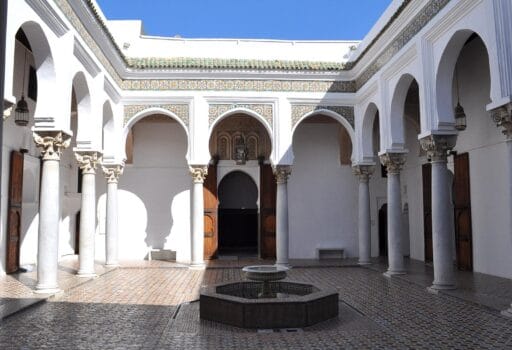
Visitors wander through marble courtyards, carved cedar ceilings, intricate zellige mosaics and tranquil Andalusian gardens while discovering exhibitions dedicated to Morocco’s multicultural identity.
The museum perfectly captures the soul of Marrakech: refined, mysterious, artistic and deeply rooted in history.
Why visit: A must-see for travelers seeking palace elegance, luxury heritage and immersive Moroccan aesthetics.
3. Kasbah Museum of Mediterranean Cultures — Tangier
Perched high above the Strait of Gibraltar, the Kasbah Museum of Mediterranean Cultures reflects Tangier’s extraordinary identity as a gateway between continents.
Located inside the former Sultan’s palace within Tangier’s historic kasbah, the museum explores centuries of Mediterranean exchange through archaeology, maps, manuscripts, mosaics and artistic artifacts.
The atmosphere feels cinematic. Whitewashed walls, panoramic sea views and centuries-old architecture transport visitors into Tangier’s legendary cosmopolitan past — a city once frequented by writers, diplomats, artists and spies.
Beyond its collections, the museum’s location alone makes it unforgettable. The surrounding kasbah remains one of Morocco’s most photogenic and culturally rich neighborhoods.
Why visit: Ideal for travelers fascinated by Mediterranean history, Tangier’s international legacy and spectacular coastal architecture.
Related: Tangier Joins UNESCO’s Creative Cities: Morocco’s Culture in Motion
4. National Museum of Ceramics — Safi
Safi has long been considered Morocco’s ceramic capital, and the National Museum of Ceramics celebrates this artistic heritage with elegance and authenticity.
Located inside the historic Kechla fortress overlooking the Atlantic Ocean, the museum showcases centuries of Moroccan pottery craftsmanship, from Amazigh influences to Andalusian-inspired decorative traditions.
Blue-and-white Safi ceramics have become internationally recognizable symbols of Moroccan craftsmanship. The museum helps visitors understand the technical mastery and cultural symbolism behind these celebrated creations.
The panoramic ocean views from the fortress add a dramatic coastal atmosphere rarely found in traditional museums.
Why visit: Perfect for design lovers, artisans, collectors and travelers interested in authentic Moroccan craftsmanship.
Related guide: How to Buy Safi Pottery and Transport It Safely
5. Dar Jamaï Museum — Meknes
Located in one of Meknes’ most beautiful historic palaces, the Dar Jamaï Museum offers a captivating journey into Morocco’s artistic and musical traditions.
The palace itself is a masterpiece of Moroccan architecture, featuring tranquil riad gardens, ornate stucco decorations and colorful zellige craftsmanship. Inside, visitors discover collections dedicated to Moroccan musical heritage, traditional instruments and decorative arts.
Unlike many conventional museums, Dar Jamaï feels deeply intimate. It immerses visitors into the sensory world of Moroccan culture through sound, aesthetics and atmosphere.
Why visit: One of Morocco’s most atmospheric palace museums and a hidden gem for cultural travelers.
Related guide: Unlocking the Secrets of Qara Prison: Meknes Legendary Underground Labyrinth
6. National Museum of Adornment — Oudayas, Rabat
Nestled within the iconic Kasbah of the Oudayas, the National Museum of Adornment explores the refined world of Moroccan jewelry, textiles and ceremonial decoration.
The collections reveal how adornment in Morocco goes far beyond aesthetics. Jewelry pieces, embroidered garments and decorative accessories reflect tribal identity, regional traditions, family heritage and social symbolism.
Walking through the museum feels like entering a treasure chest of Moroccan elegance, where silver Amazigh jewelry meets intricate urban craftsmanship.
Why visit: A dream destination for fashion lovers, photographers and travelers fascinated by Moroccan craftsmanship.
7. Jamaâ El-Fna Museum of Intangible Heritage — Marrakech
The legendary Jamaâ El-Fna square is the beating heart of Marrakech, and this museum preserves the living cultural traditions that made the square world-famous.
Storytellers, Gnawa musicians, snake charmers, food vendors and street performers have transformed Jamaâ El-Fna into one of the world’s most unique urban cultural stages. The museum documents these traditions through archives, photography, oral histories and immersive exhibitions.
Rather than focusing only on objects, the museum celebrates intangible heritage — the living traditions that define Morocco’s social and cultural fabric.
You may like: Marrakech Ultimate Travel Guide: Special CAN 2025 Edition
Why visit: Essential for understanding the soul and cultural energy of Marrakech.
8. Dar Si Said Museum — Marrakech
The Dar Si Said Museum, also known as the National Museum of Weaving and Carpets, is one of Marrakech’s most visually stunning cultural spaces.
Housed inside a lavish palace, the museum presents Morocco’s extraordinary carpet and textile traditions. Each woven piece tells a regional story, reflecting Amazigh symbolism, nomadic heritage and artisanal expertise passed down through generations.
The palace architecture itself is equally mesmerizing, featuring intricate carved wood, colorful mosaics and serene courtyards bathed in natural light.
Why visit: A paradise for interior design enthusiasts, textile lovers and luxury travelers seeking authentic Moroccan aesthetics.
9. National Museum of Photography — Rabat
The National Museum of Photography offers a sophisticated visual journey through Morocco’s evolving identity.
Located inside a historic fortress overlooking the Atlantic coast, the museum combines historical archives with contemporary photographic exhibitions documenting Moroccan society, architecture, fashion and everyday life.
For travelers passionate about visual storytelling, the museum reveals how Morocco has been perceived, documented and artistically interpreted across generations.
Why visit: Ideal for photographers, visual artists and modern culture enthusiasts.
Related Read: Rabat Patrimoine: A New App to Explore the UNESCO Heritage of Morocco’s Capital
10. Bab El Oqla Museum — Tetouan
The Bab El Oqla Museum provides one of the finest introductions to Tetouan’s Andalusian-influenced identity.
Tetouan’s UNESCO-listed medina is often considered one of Morocco’s most authentic, and this museum explores the city’s history through traditional crafts, local heritage and northern Moroccan culture.
The museum’s atmosphere feels deeply local and intimate, offering a quieter and more authentic alternative to Morocco’s larger tourist museums.
Why visit: Perfect for slow travelers seeking authentic cultural immersion in northern Morocco.
11. Kasbah Museum of Mediterranean Cultures — Tangier
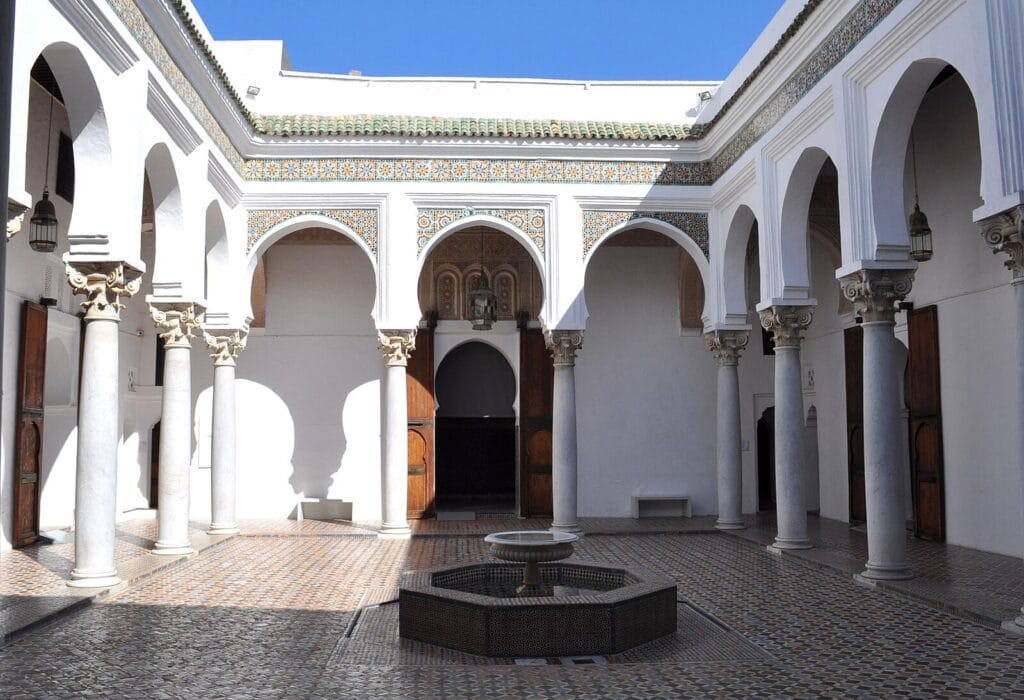
The Kasbah Museum of Mediterranean Cultures in Tangier is widely considered one of Morocco’s most atmospheric and historically significant museums. Located inside the former Dar El Makhzen palace overlooking the Strait of Gibraltar, the museum immerses visitors in Tangier’s extraordinary role as a crossroads between Africa, Europe and the Mediterranean world. Its collections include archaeological artifacts, ancient mosaics, manuscripts, ceramics and ethnographic treasures that trace centuries of cultural exchange between civilizations.
Beyond the exhibitions themselves, the experience is elevated by the museum’s spectacular setting within Tangier’s historic kasbah, where whitewashed walls, Andalusian courtyards and panoramic sea views create one of the most photogenic cultural sites in Morocco.
For travelers seeking to understand Tangier’s cosmopolitan identity and Morocco’s deep Mediterranean connections, the Kasbah Museum is an essential stop.
Why Morocco’s Museums Are Becoming Global Cultural Destinations
Over the past decade, Morocco has invested heavily in cultural preservation, museum restoration and heritage tourism. Cities such as Rabat and Marrakech are increasingly positioning themselves as major international cultural capitals capable of attracting art lovers, luxury travelers and creative industries.
Unlike traditional museum experiences in Europe, Moroccan museums often combine architecture, craftsmanship, spirituality and atmosphere into one immersive journey. Visitors are not simply observing artifacts — they are stepping into living spaces filled with history, scent, texture, music and storytelling.
For travelers seeking meaningful experiences beyond beaches and resorts, Morocco’s museums offer some of the richest cultural encounters anywhere in Africa and the Mediterranean world.
Final Thoughts
From Rabat’s cutting-edge contemporary art scene to Marrakech’s palace museums and Tangier’s Mediterranean treasures, Morocco’s museums reveal the extraordinary depth of the Kingdom’s cultural identity.
These museums are more than tourist attractions. They are gateways into Morocco’s soul — places where ancient traditions meet modern creativity, where African and Mediterranean influences merge, and where history continues to inspire the future.
For travelers planning a luxury cultural itinerary through Morocco in 2026, these ten museums deserve a place at the top of the list.