
Estimated reading time: 5 minutes
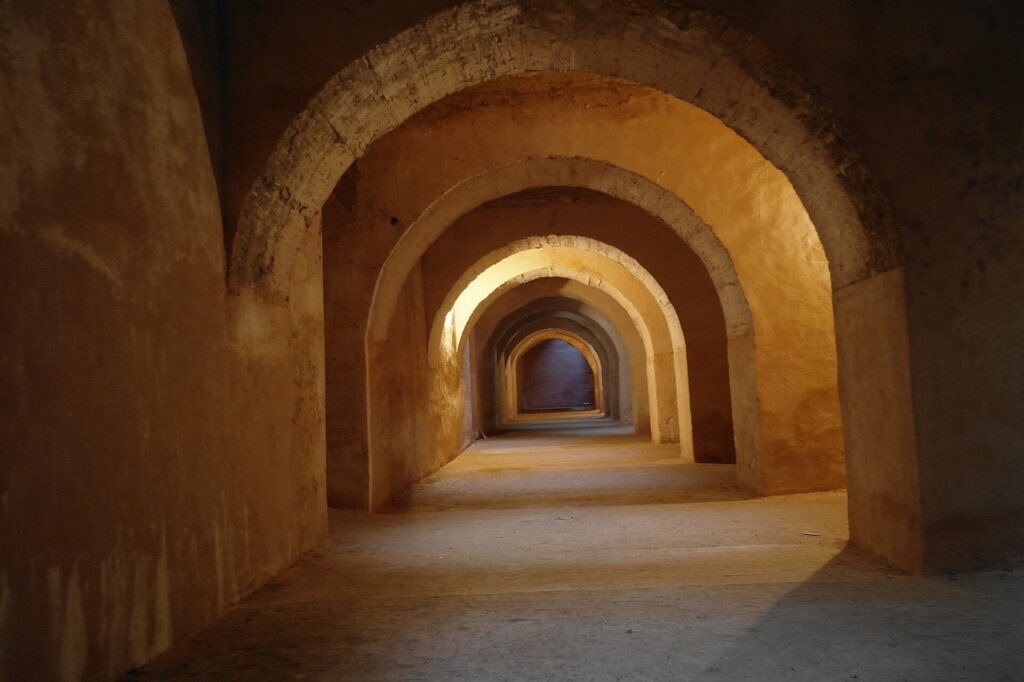
Inside Qara Prison, Meknes. Image Credit: JKlamo/ Wikimedia.org
Hidden beneath the historic streets of Meknes lies one of Morocco’s most mysterious sites: Qara Prison. Built during the reign of Sultan Moulay Ismail (1672–1727), this vast underground labyrinth is surrounded by legends, myths, and fascinating historical accounts.
Located in the heart of the imperial city, near Place El Hedim and just to the right of the Moulay Ismail Mausoleum, Qara Prison is often described as a true time machine into Morocco’s 17th-century past.
A Prison Built to Hold 40,000 Prisoners?
According to legend, the prison was named after a Portuguese captive called “Qara,” who allegedly negotiated his freedom with Sultan Moulay Ismail. The agreement? He would construct a prison capable of holding up to 40,000 detainees. The task was completed — and the name remained.
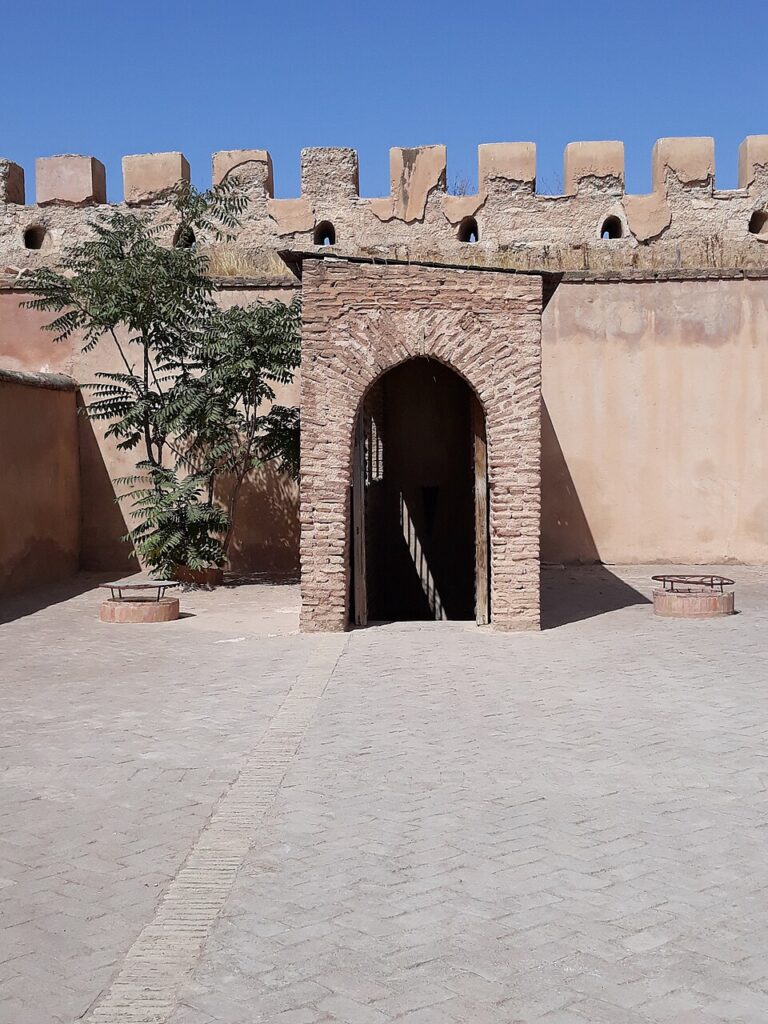
Qara Prison entrance, Meknes. Image Credit: Charchay/ Wikimedia.org
Also known as the “Christian Prison” or Sirdab (meaning underground cellars), the structure consists of endless corridors and chambers forming a complex subterranean maze.
From the outside, only a few openings hint at the massive underground network below. Once inside, dim lighting and narrow passageways create a powerful sense of mystery and oppression. Visitors often describe a chilling atmosphere as they explore the winding tunnels.
Legends and Myths Surrounding Qara Prison
Many stories surround Qara Prison. Some legends claim the underground network once extended for hundreds of kilometers, even reaching as far as Taza near Fez.
Another popular myth suggests that a group of French researchers once became lost inside the labyrinth, leading authorities to close off several sections of the site.
Although historians debate these stories, the prison’s architecture undeniably fuels the imagination. Inscriptions can still be seen on certain walls , silent traces of those who once passed through its dark corridors.
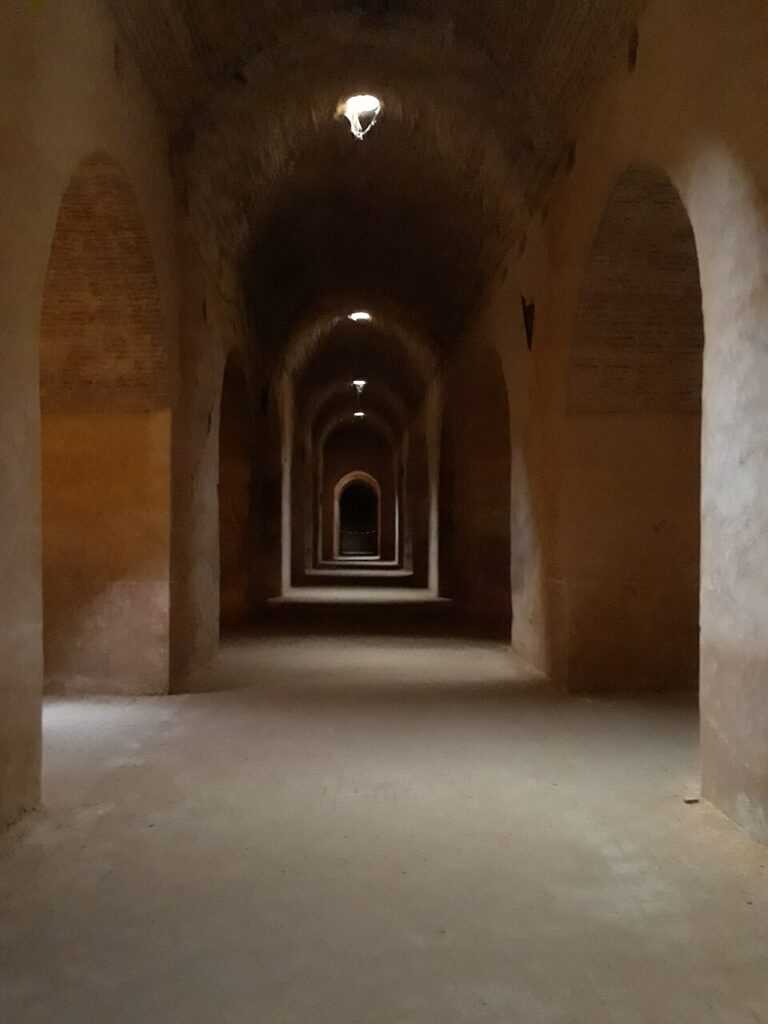
Inside Qara Prison, Meknes. Image Credit: Charchay on Wikimedia.org
A Symbol of Power Under Moulay Ismail
Qara Prison was the official detention site of Sultan Moulay Ismail, the powerful ruler who transformed Meknes into an imperial capital. The prison symbolized authority and control during his reign.
Strategically located just meters away from the Pavilion of Ambassadors, negotiations for the release of foreign captives often took place directly above the prisoners.
During the era of maritime conflicts, European ships were frequently captured, and foreign hostages were detained in Meknes. Historical accounts mention that several diplomatic missions attempted — unsuccessfully — to secure the release of prisoners.
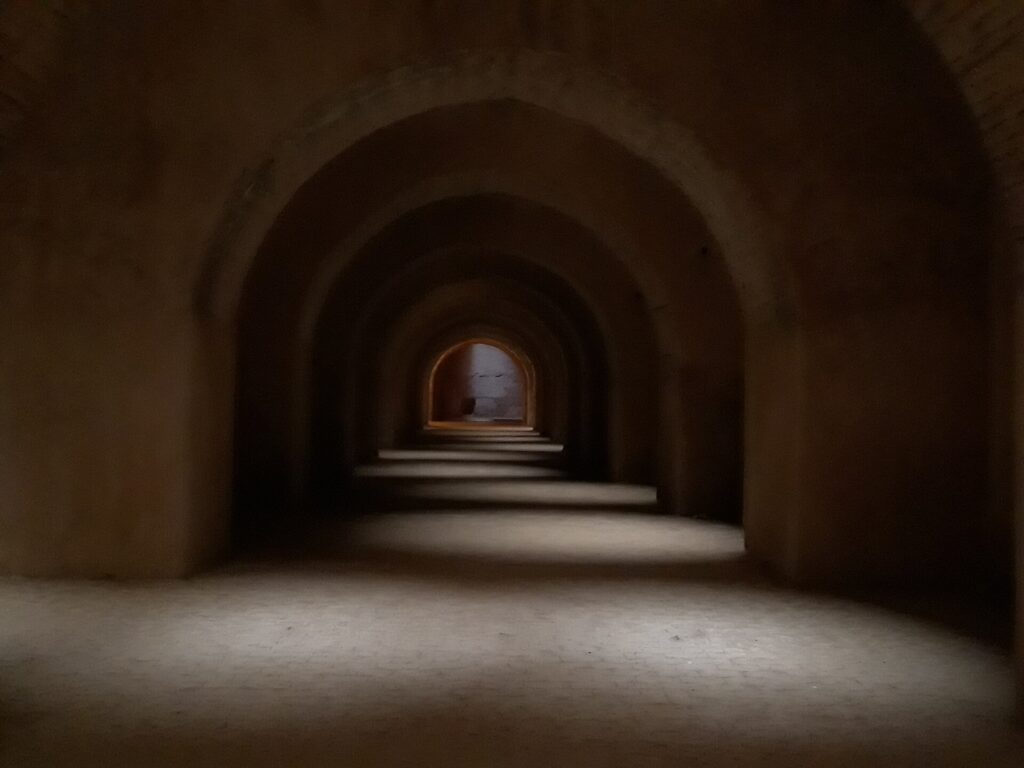
Inside Qara Prison, Meknes. Image Credit: Charchay/ Wikimedia.org
The Daily Life of Prisoners
Historical sources indicate that prisoners were allegedly lowered into the prison through an opening in the ceiling. Food was also delivered through small apertures.
Captives reportedly slept on the ground, sometimes with only animal skins for minimal comfort. Many were forced into heavy labor, transporting materials and contributing to the construction of Meknes’ massive defensive walls.
Over time, the prison reportedly served other purposes, including functioning as a storage space during periods of crisis.
How To Visit Qara Prison Today?
Today, Qara Prison remains one of Meknes’ most intriguing historical attractions.
- Opening Hours: 9:00 AM – 12:00 PM and 3:00 PM – 6:00 PM
- Entrance Fee: 10 MAD and free on Friday.
- Visit Duration: Approximately 20 minutes
Although parts of the labyrinth remain closed for safety reasons, visitors can explore accessible sections and experience the unique atmosphere of this underground monument.
A Must-Visit Site in the Imperial City of Meknes
Qara Prison is more than a historical site, it is a place where legend meets reality. Between documented history and popular myths, the labyrinth continues to captivate visitors seeking to uncover Morocco’s imperial past.
If you are exploring Meknes, this underground marvel offers a powerful and unforgettable journey into the reign of Moulay Ismail and the rich heritage of Morocco’s imperial cities.