During winter, many Moroccans live by an old saying: “Prepare for the cold as you would for an enemy, with clothing and nourishment.” As temperatures drop, traditional Moroccan cuisine takes center stage, offering hearty dishes and warming drinks rich in proteins, vitamins and spices that help strengthen the immune system and protect against seasonal illnesses.
Moroccan cuisine, renowned worldwide, is particularly generous in winter. It combines meat, legumes, vegetables, grains, dried fruits and aromatic spices, all packed with high nutritional value and deeply rooted in ancestral know-how.
Bissara: Morocco’s ultimate winter comfort soup
Bissara sits proudly at the top of Morocco’s winter food hierarchy. Often referred to as “energy soup”, this humble yet powerful dish is especially popular in northern regions of the country.
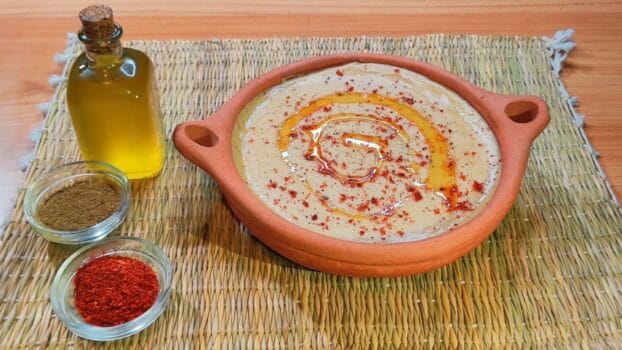
Made primarily from dried fava beans, bissara is rich in protein and fiber. The beans are slowly cooked with water and garlic, known for its heart-protective and antibacterial properties, before being seasoned with salt, black pepper and ginger. Finished with olive oil, the soup takes on a thick, creamy texture and is traditionally served with cumin.
Bissara is enjoyed both as breakfast and dinner, prepared at home or purchased from small neighborhood stalls. Its popularity has even earned it a place on the menus of hotels and restaurants in Morocco and abroad.
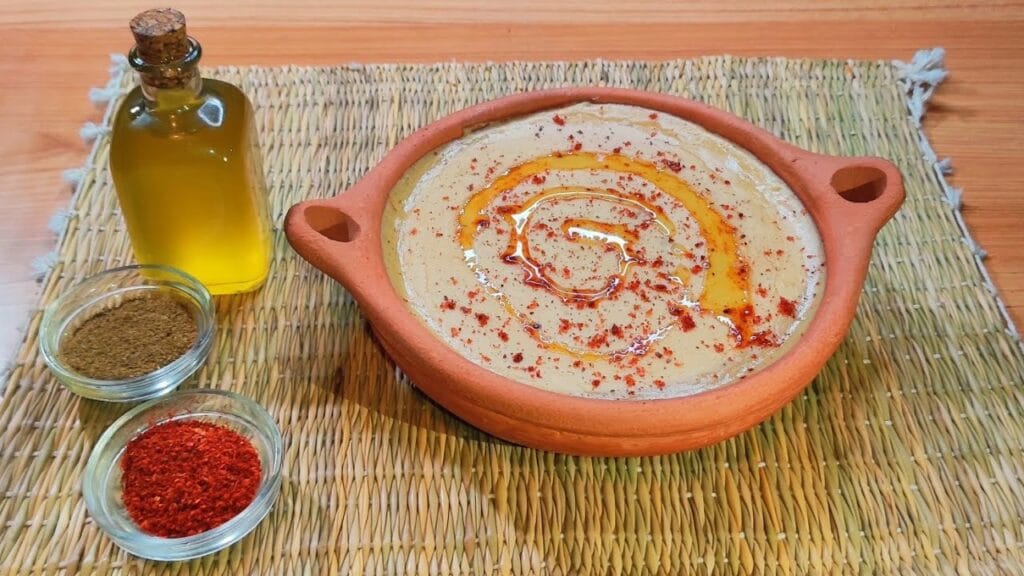
Moroccan Bissara
Snail soup (Babbouche): a winter street-food classic
Locally known as babbouche or ghlala, Moroccan snail soup is a winter staple sold by street vendors across markets and popular neighborhoods. Snails are simmered with a carefully balanced blend of herbs and spices, including thyme, ginger, bay leaves, dried pomegranate peel, caraway, black pepper and salt.
Highly valued for its warming effect, this soup is traditionally believed to help relieve colds, stomach discomfort and menstrual pain. For many Moroccans, its distinctive aroma alone is enough to draw them to their favorite vendor on cold evenings.
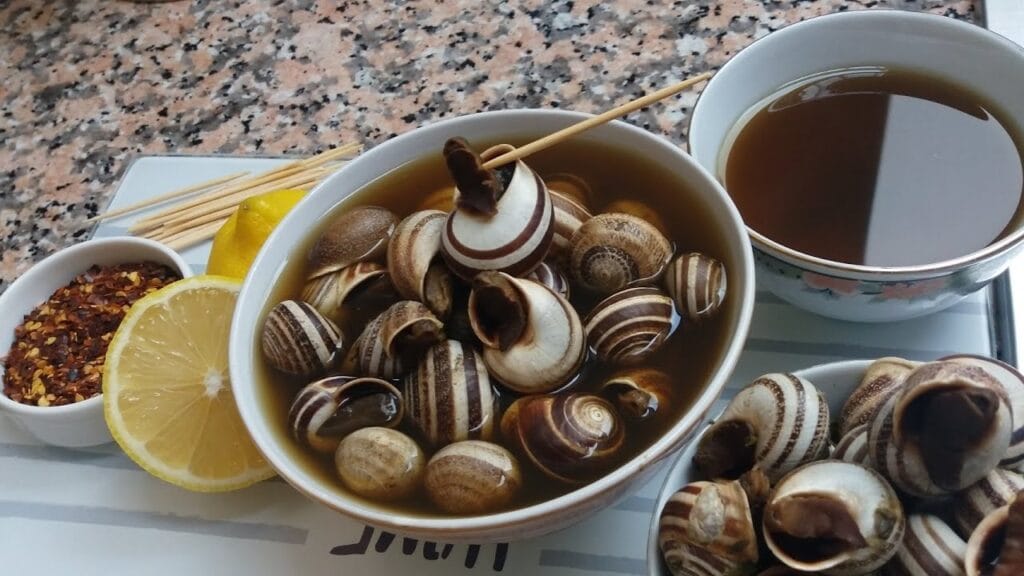
Moroccan Snail. By Samira Cuisine/ YT
Harira: more than a Ramadan soup
Although closely associated with Ramadan, harira remains a winter essential in Moroccan households. Its nutritional richness makes it an ideal defense against cold weather.
Prepared with chickpeas, lentils, parsley, celery and a blend of spices, harira is often served with dates, eggs and a splash of lemon or vinegar. Regional variations abound, with some families adding meat, traditional butter (smen) or cinnamon for extra depth.
Thanks to its high caloric content and comforting flavor, harira has gained international popularity and is appreciated well beyond Moroccan borders.
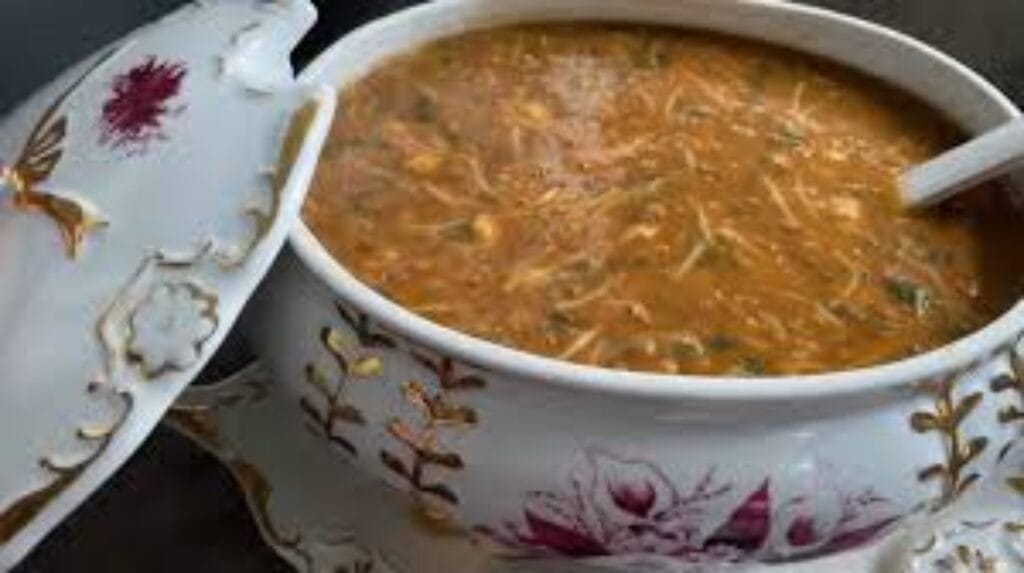
Moroccan Harira
Hot chickpea drink: a simple winter remedy
Growing in popularity, the hot chickpea drink, similar to Hummus El Sham, has become a go-to winter beverage. Chickpeas are soaked, boiled and seasoned with onion, tomato, cumin, salt and pepper, then served hot in a bowl.
Whether homemade or bought from street vendors, many Moroccans consider it a first line of defense against winter colds.
Khoubiza (wild mallow): the king of winter greens
Khoubiza, also known as bakoula, is one of the most iconic Moroccan winter dishes. Made from wild leafy greens, it is either steamed or cooked slowly with olive oil, garlic, traditional chili paste and spices.
Served with lemon, olives and fresh bread, khoubiza is prized for both its flavor and nutritional benefits, earning its reputation as one of the healthiest winter meals.
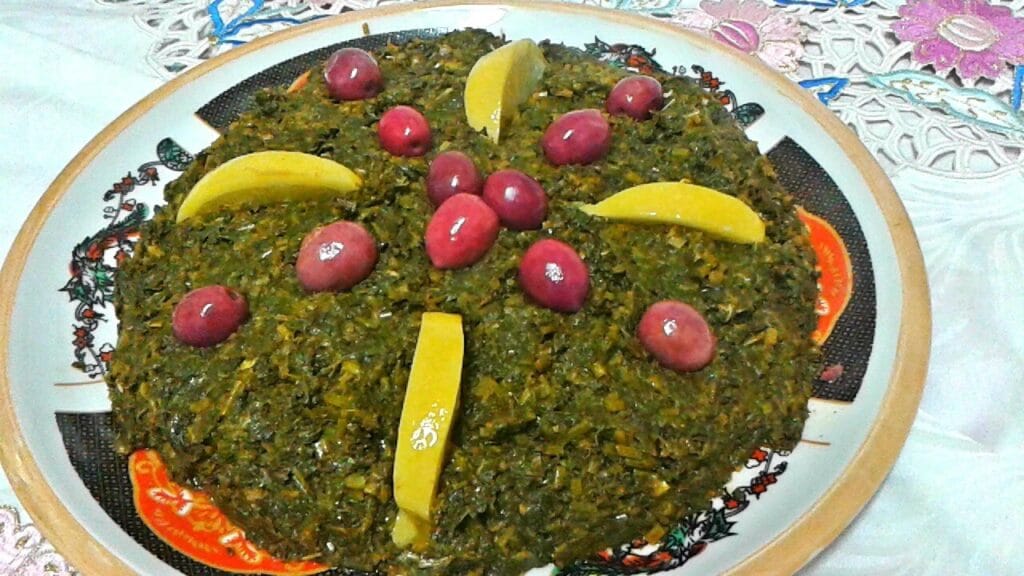
Khoubiza (wild mallow). By Matbakh Yasmina/ YT
Rfissa: a dish of warmth, tradition and celebration
Rfissa, also known as tharid, is a signature winter dish often prepared for family gatherings and celebrations, particularly after childbirth. It consists of shredded bread topped with chicken, lentils and fenugreek, all drenched in a richly spiced broth.
The dish is traditionally garnished with boiled eggs, dates or other additions depending on family customs. Its ingredients are known for their warming properties and immune-boosting benefits.
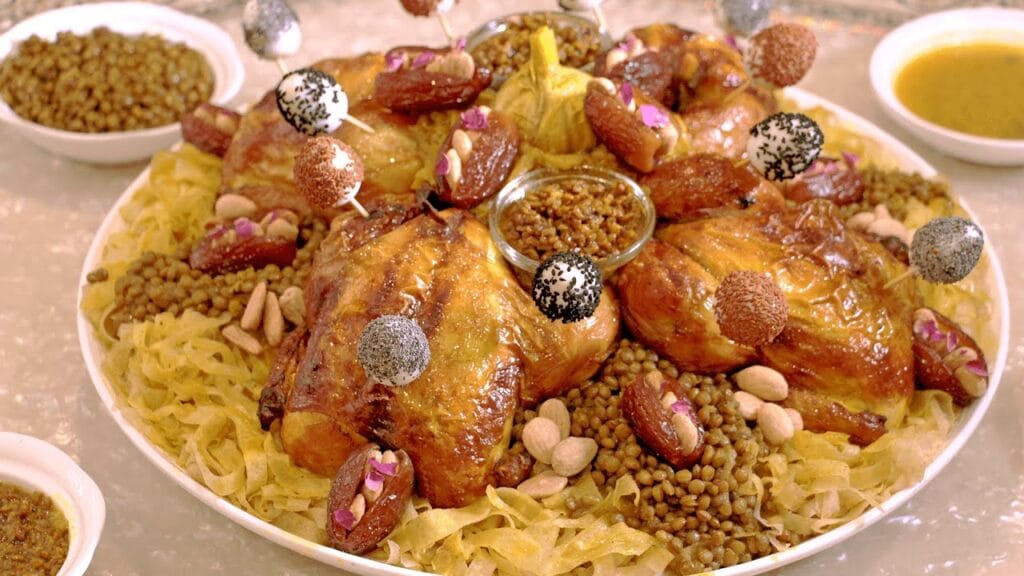
Moroccan Rfissa. By Chef Nadia/ YouTube
Winter cuisine rooted in heritage
According to nutrition specialists, Moroccan winter dishes share a common foundation: grains, legumes and spices that help warm the body and strengthen immunity. These recipes, passed down through generations, reflect a deep understanding of seasonal eating and natural health.
From street food to home kitchens, Moroccan winter cuisine remains a living expression of tradition, resilience and culinary creativity.