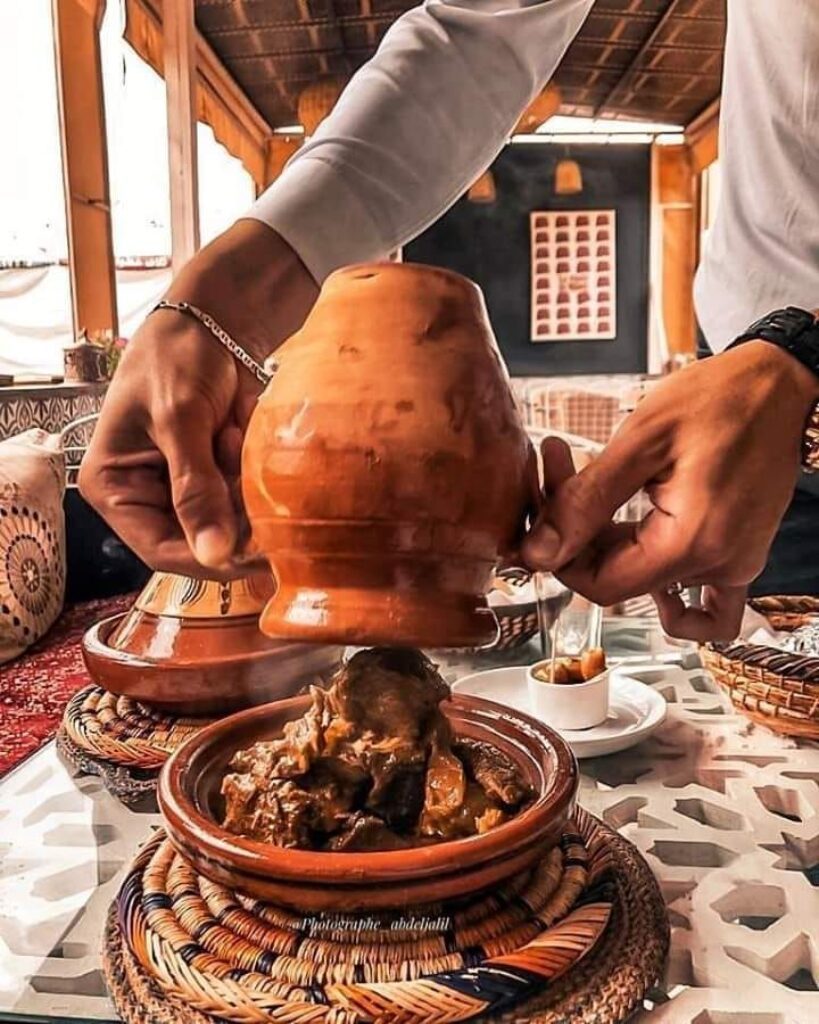
When you think of Moroccan cuisine, your mind likely wanders to the aromatic steam rising from a clay tagine, the fluffy perfection of a Friday couscous, or the sweet and savory layers of a crispy Pastilla. These dishes are the timeless pillars of a rich gastronomic heritage. But today, a new culinary movement is simmering in the kitchens of Marrakech, Casablanca, and beyond—a movement that honors tradition while daring to innovate. As Morocco prepares to welcome the world for major events like the 2025 Africa Cup of Nations and the 2030 FIFA World Cup, visitors will discover a dynamic food scene that is both uniquely Moroccan and thrillingly international: welcome to the world of Modern Moroccan Culinary Fusion.
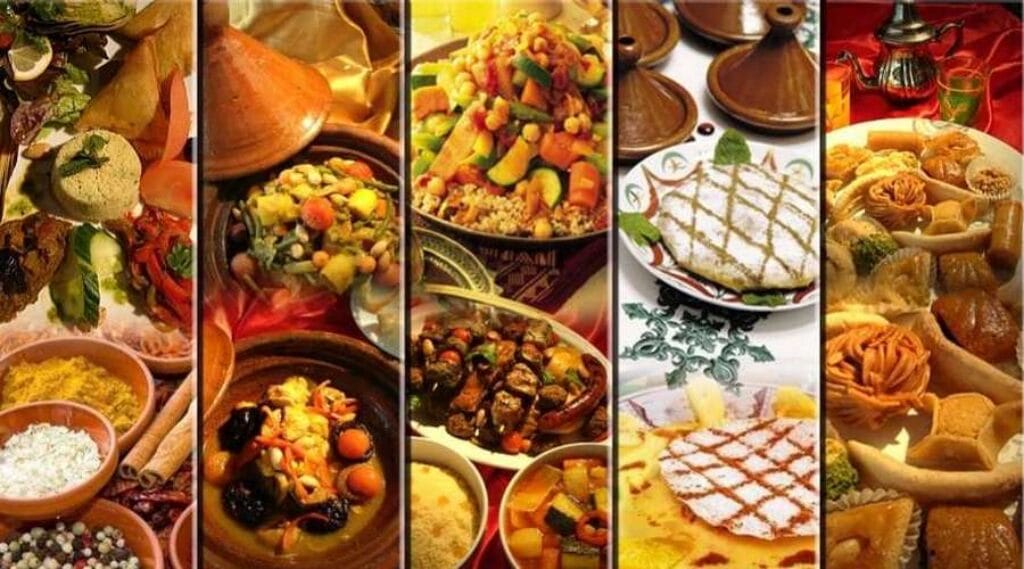
Credit: marocvoyages.com
The Roots: Understanding Traditional Moroccan Cuisine
Before we can appreciate the fusion, we must first understand its foundation. Traditional Moroccan food is a mosaic of influences—Berber, Arab-Andalusian, Ottoman, and French. It’s characterized by:
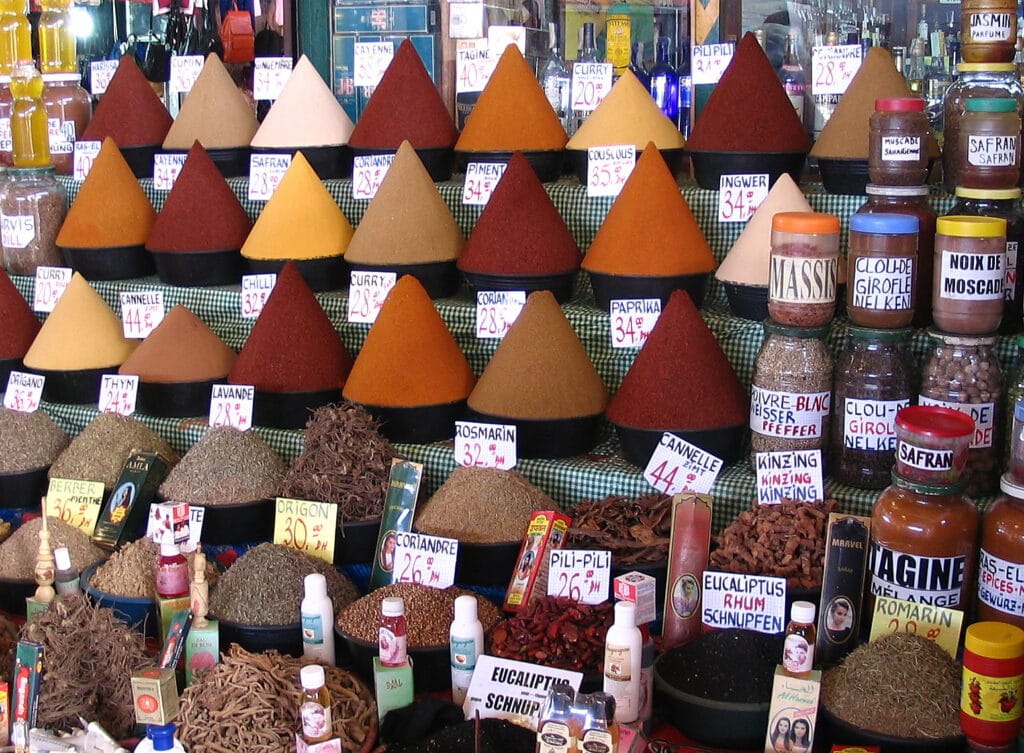
A Complex Spice Palette: Spices are the soul of Moroccan cooking. Think of Ras el Hanout , a unique blend of up to 30 spices including cardamom, clove, and rosebuds. Other essentials are precious saffron from Taliouine, earthy cumin, golden turmeric, warm ginger, and fragrant cinnamon. Key ingredients like preserved lemons and olives add a signature tangy, briny depth to dishes.
Sweet and Savory Combinations: The pairing of meat with dried fruits like prunes, apricots, and dates is a celebrated hallmark, as seen in classic dishes like Tagine Mrouzia (lamb with honey and raisins) or Poulet aux Citrons (chicken with preserved lemons and olives).
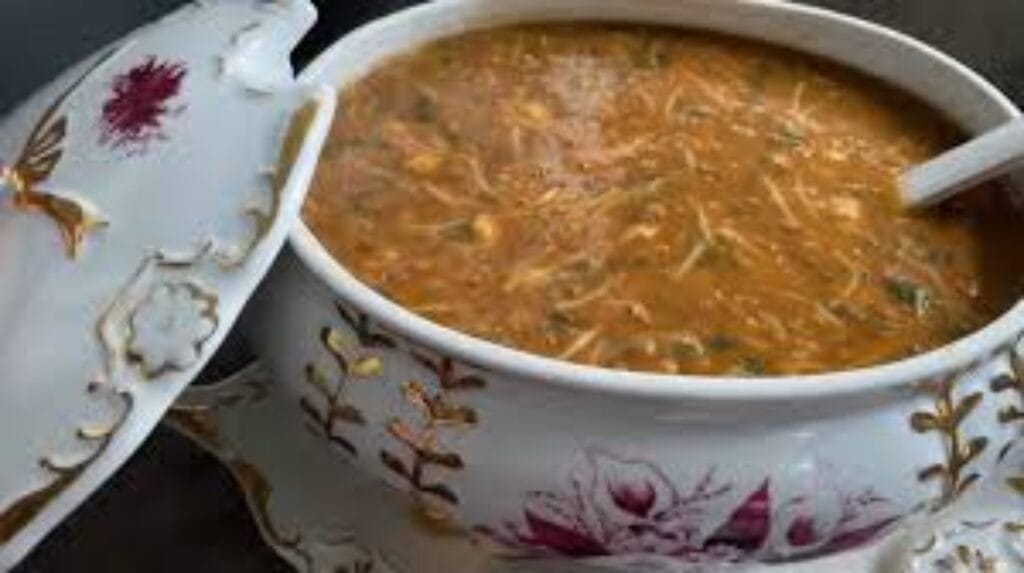
Iconic Dishes: Slow-cooked tagines (like the succulent Kefta Tagine with eggs and tomato), the celebratory seven-vegetable couscous, the hearty Harira soup eaten to break the fast during Ramadan, and elaborate Pastillas (B’stilla) are dishes perfected over centuries.
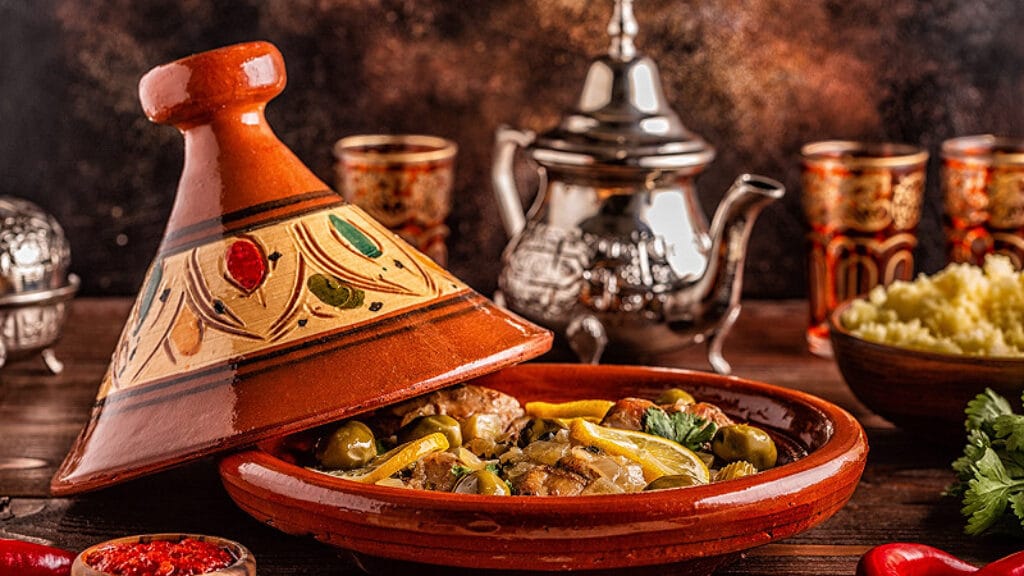
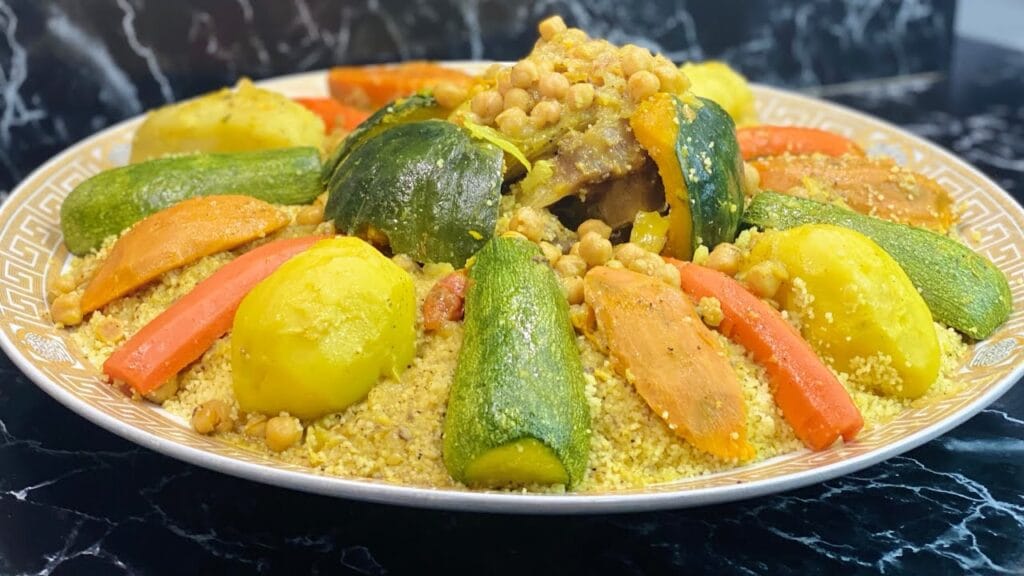
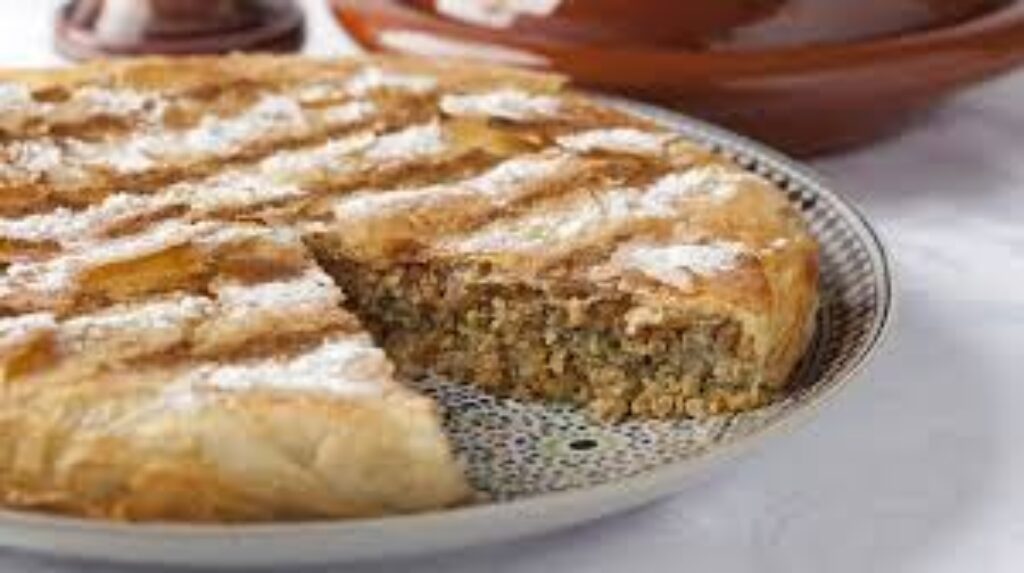
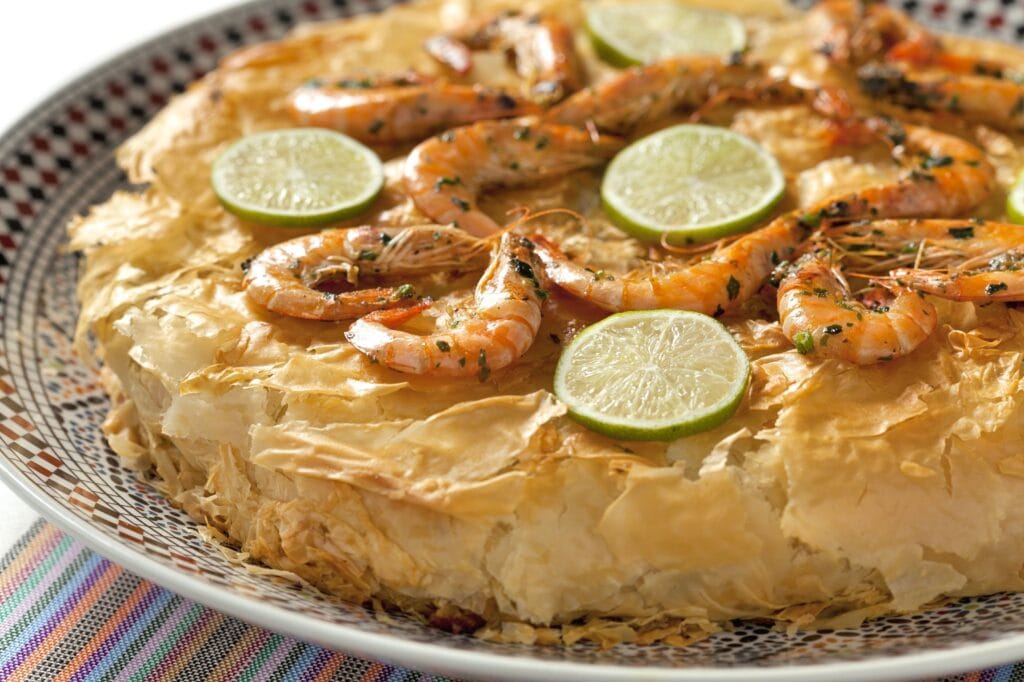
This rich culinary landscape, built on slow cooking techniques and communal dining, is the playground for today’s most innovative chefs.
The Spark of Innovation: What is Moroccan Culinary Fusion?
Moroccan culinary fusion is not about replacing tradition but about building upon it. It’s a creative dialogue between the past and the present. Chefs are taking the core flavors and techniques of Moroccan cooking and infusing them with international influences and modern gastronomic methods.
This evolution is driven by:
- Global Exposure: Moroccan chefs trained in top kitchens in Paris, Tokyo, or New York are returning home, bringing new techniques like sous-vide, foams, and deconstruction.
- High-Quality Local Ingredients: A renewed focus on sourcing exceptional local produce (from Atlas mountain herbs to Dakhla oysters and Argan oil) provides the perfect canvas for innovation.
- An Evolving Palate: Both locals and international visitors are eager to experience familiar flavors in new and exciting ways.
On the Plate: What Does Moroccan Fusion Look Like?
So, how do these ideas translate into actual dishes? Chefs are using the rich Moroccan repertoire to create entirely new taste experiences. The possibilities are endless and exciting.
Deconstructed Classics
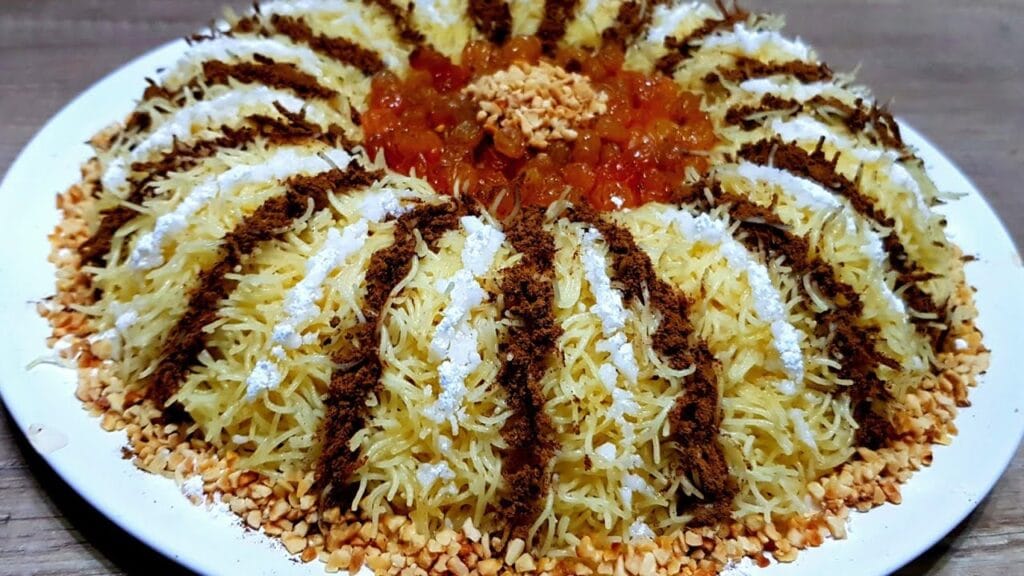
Here, the soul of the dish is preserved, but its form is reimagined with modern elegance. Imagine a deconstructed Harira, where lentils and chickpeas form a creamy bed for a perfectly grilled lamb chop, with a rich tomato and herb consommé poured tableside. Or a dessert inspired by Seffa: a delicate caramel sphere that cracks open to reveal airy cinnamon vermicelli, toasted almond shards, and a light orange blossom cream.
Cross-Culinary Creations
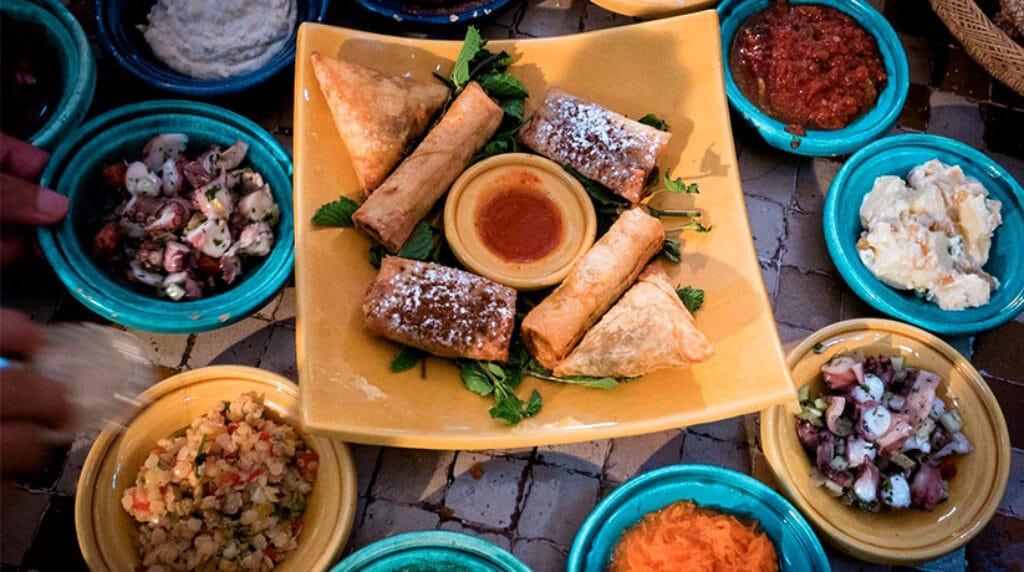
- Briouats Revisited: The traditional triangular pastries (briouats) are opened up to new worlds. Imagine them filled with goat cheese and fig chutney, or stuffed with spiced crab meat and served with a Thai sweet chili sauce instead of honey.
- Tacos Al Maghreb: The ultimate fusion concept. Instead of carnitas, the taco is filled with slow-cooked lamb from a Méchoui or a Tangia Marrakchia, stewed until it falls apart. Served in a corn tortilla, it’s topped with a spicy Taktouka salsa (a cooked tomato and green pepper salad) and a drizzle of mint yogurt.
- Bessara as Tapas: The humble but delicious fava bean purée (Bessara) is served like hummus but topped with crispy Spanish chorizo or fried calamari, creating a savory bridge across the Mediterranean.
- Pastilla Reinvented: The classic crispy warqa pastry embraces unexpected fillings, like duck confit with Asian five-spice or a seafood version with white fish, shrimp, and a hint of lemongrass, evoking the flavors of Southeast Asia.
Modernizing Street Food
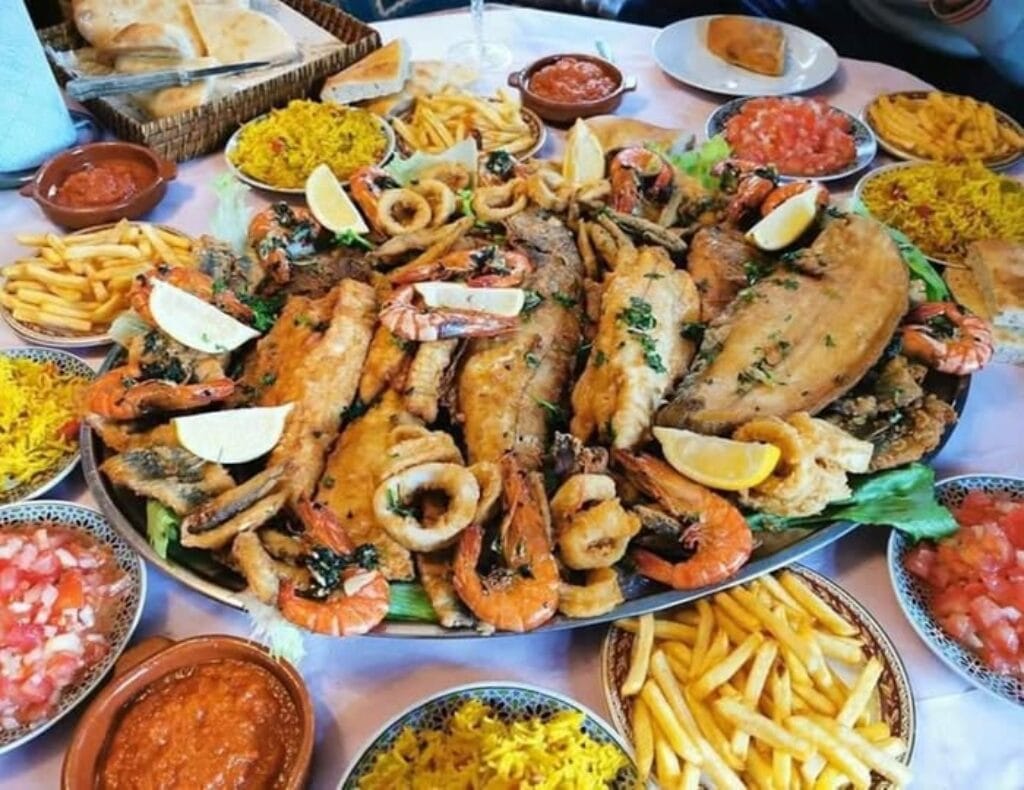
Even beloved street food is being elevated. Think of grilled sardines, an icon of coastal cities like Essaouira, served deboned on a slice of artisanal garlic toast with a citrus vinaigrette, like an Italian bruschetta. Or Tangia sliders: the succulent meat is shredded and served in mini brioche buns with a saffron-caramelized onion jam. The classic Maakouda (potato fritters) are also elevated, served as gourmet bites with a saffron aioli or a harissa mayonnaise.
Where to Experience Modern Moroccan Food
This culinary wave is most prominent in Morocco’s major cities. Look for it in:
- Chic Riads in Marrakech: Many luxury riads house incredible restaurants where chefs have the freedom to experiment. For example, the restaurant at Riad El Fenn is known for its creative takes on Moroccan classics.
- Modern Restaurants in Casablanca: The city’s cosmopolitan vibe is a perfect breeding ground for gastronomic innovation. Seek out spots like Café Clock for its famous camel burger or NKOA for its pan-African fusion.
- Boutique Guesthouses in Fes, Meknes and Essaouira: Here, you’ll often find intimate dining experiences with creative, daily-changing menus sourced from local markets.
The Future is Flavorful
Moroccan culinary fusion proves that a country’s cuisine is a living, breathing entity. It respects its deep roots while confidently reaching for the future. It’s a delicious testament to the fact that while a classic tagine will always have its place, there is always room for a new interpretation, a new flavor, and a new story on the plate. It’s the exciting evolution of a thousand-year-old culinary tradition, inviting us all to take a bite.
Frequently Asked Questions (FAQ)
Q1: What is the most famous Moroccan spice blend?
A1: The most famous is Ras el Hanout, a complex mix of up to 30 spices. Another essential is Chermoula, a herbaceous marinade made with cilantro, parsley, garlic, lemon, and spices, often used for fish.
Q2: Is traditional Moroccan food still popular?
A2: Absolutely. Traditional food remains the heart and soul of the country’s cuisine. Fusion is an exciting growing trend, but classics are cherished staples. For the most authentic experience, visit a “dada” (traditional home cook) or a local market stall.
Q3: What are some key ingredients in Moroccan cuisine?
A3: Besides spices, key ingredients include preserved lemons (for a unique fermented citrus punch), green olives, argan oil (for dressings and bread), semolina (for couscous and bread), lamb, chicken, and a wide variety of fresh vegetables and dried fruits.
Come to Morocco for the sights, but stay because your stomach will be too full of delicious tagine and couscous to leave. To help you on your culinary journey, here are the Top 5 Cities to Visit in Morocco Before World Cup 2030. Click here