The 2026 Morocco festival calendar offers a clear way to plan travel around events that shape the country’s rhythm throughout the year. Morocco hosts a wide range of festivals that combine religious traditions, regional heritage, and contemporary music programming. When travelers align their itinerary with these events, they gain access to local practices, seasonal markets, and community gatherings that go beyond standard travel routes.
This guide presents the 2026 Morocco festival calendar by month and region, while integrating practical details such as distances, access routes, and timing considerations. It also explains how moussems operate within Moroccan society and how large scale festivals influence tourism flows. As a result, travelers can move from passive sightseeing to active participation in Morocco’s cultural life.
Understanding Morocco’s Festival Landscape
Morocco’s festivals fall into two main categories, state supported music festivals and traditional moussems. Music festivals such as Mawazine or Gnaoua attract international audiences and take place in major cities with strong infrastructure. In contrast, moussems are rooted in religious or tribal traditions and often occur in smaller towns or rural areas.
This distinction matters when planning logistics. Large festivals provide fixed schedules, ticketing systems, and urban transport networks. Moussems follow local rhythms, which means travelers must adapt to flexible timing, limited accommodation, and regional transport options. When combined within one itinerary, both formats provide a complete view of Moroccan cultural life.
2026 Morocco Festival Calendar Table
| Festival | Location | Dates (2026) | Type |
|---|---|---|---|
| Moulay Idriss Moussem | Moulay Idriss Zerhoun | August 18 to August 25 | Religious Moussem |
| Mawazine Festival | Rabat | June 19 to June 27 | International Music |
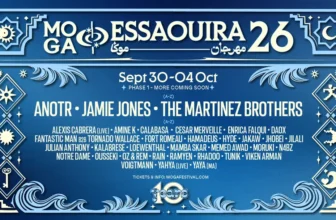
| Gnaoua World Music Festival | Essaouira | June 25 to June 28 | Spiritual Music |
| Fes Festival of World Sacred Music | Fes | May 29 to June 6 | Cultural Music |
| Imilchil Marriage Moussem | Imilchil, High Atlas | September 18 to September 21 | Tribal Moussem |
| Tan-Tan Moussem | Tan-Tan | December 10 to December 15 | UNESCO Cultural Event |
| Timitar Festival | Agadir | July 15 to July 18 | Amazigh Music |
| Festival des Roses | Kelaat M’Gouna | May 8 to May 11 | Regional Harvest Festival |
Spring Festivals: March to May
Spring marks the beginning of the cultural season in Morocco as weather conditions stabilize and mountain roads reopen. During this period, festivals align with agricultural cycles and regional harvests. The Festival des Roses in Kelaat M’Gouna takes place in early May and reflects the rose harvest in the Dades Valley. Travelers can reach the area from Marrakech in about six hours by road, covering around 270 kilometers through the High Atlas.
This festival combines local markets, parades, and cooperative product sales. Visitors can observe how rose water and cosmetic products are produced, which provides context for Morocco’s role in natural cosmetic exports. As a result, this event works well as a starting point for travelers exploring southern Morocco.
Early Summer: May to June Peak Season
As May transitions into June, Morocco enters its most active festival period. The Fes Festival of World Sacred Music anchors this phase and takes place within historic venues across the medina. Because Fes connects easily by train to Casablanca and Rabat, travelers can integrate the festival into a broader northern itinerary.
Soon after, Mawazine Festival in Rabat expands the scale significantly. This event attracts large crowds and distributes performances across multiple stages in the capital. Rabat’s tramway system and proximity to Casablanca, about one hour by train, make access straightforward. Accommodation prices rise during this period, so early booking becomes necessary.
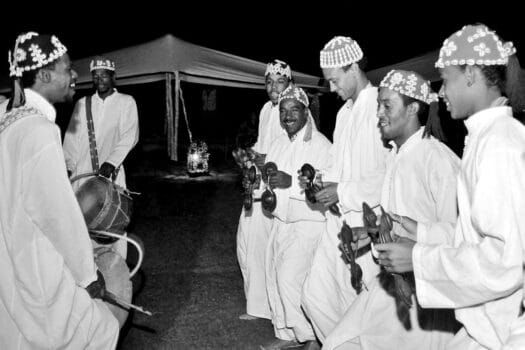
At the same time, the Gnaoua World Music Festival in Essaouira introduces a different atmosphere. Essaouira lies roughly 190 kilometers from Marrakech, with a three hour drive along the Atlantic coast. The festival connects traditional Gnaoua spiritual music with international collaborations, which creates a cross cultural exchange environment. Because events take place across public squares and beaches, many performances remain free and accessible.
Mid Summer: July and Coastal Focus
During July, festival activity shifts toward coastal cities where temperatures remain moderate. Timitar Festival in Agadir highlights Amazigh music and identity while also including global artists. Agadir’s international airport and direct road links from Marrakech, around three hours by car, support visitor flow.
This period allows travelers to combine beach tourism with cultural programming. As a result, the 2026 Morocco festival calendar during July supports longer stays, especially for visitors who prefer coastal climates over inland heat.
Late Summer: August and Religious Gatherings
In August, the focus moves toward moussems, particularly the Moulay Idriss Moussem near Meknes. This event honors Moulay Idriss I and attracts pilgrims from across Morocco. The town lies about 30 kilometers from Meknes and roughly one hour from Fes, which allows travelers to stay in larger cities while attending the moussem.
Unlike major festivals, this gathering follows religious rituals and community traditions. Visitors observe processions, markets, and communal meals. Because accommodation within the town remains limited, day trips provide the most practical approach. This period emphasizes immersion rather than scheduled performances.
Autumn Festivals: September Cultural Depth
In September, the Imilchil Marriage Moussem takes place in the High Atlas Mountains. The village of Imilchil sits at an altitude of over 2,000 meters and requires a five to six hour drive from cities such as Beni Mellal or Errachidia. Road conditions vary, so travelers must plan transport carefully.
This moussem historically served as a gathering where Amazigh tribes arranged marriages. Today, it continues as a cultural event with music, dance, and local markets. While the original matchmaking role has evolved, the event still provides insight into tribal traditions and seasonal migration patterns. As a result, this festival adds depth to the calendar.
Winter Festivals: December and Saharan Culture
At the end of the year, the Tan-Tan Moussem takes place in southern Morocco near the Western Sahara region. This event holds recognition from UNESCO as intangible cultural heritage and gathers nomadic tribes from across the Sahara. Tan-Tan lies more than 300 kilometers south of Agadir, which requires either a long road journey or a domestic flight followed by local transport.
The moussem includes camel processions, traditional poetry, and trade exchanges. It functions as both a cultural preservation platform and a regional economic event. When included in the 2026 Morocco festival calendar, it extends travel beyond the main tourist routes.
Travel Planning Strategy for Festival Routes
When planning a trip around the 2026 Morocco festival calendar, travelers should group events by region and season rather than trying to attend all of them. A northern route can combine Fes, Rabat, and Moulay Idriss within a two week window. A southern route can connect Marrakech, Essaouira, Agadir, and Tan-Tan across different months.
Transport infrastructure plays a key role in this planning. Morocco’s ONCF train network connects major cities such as Casablanca, Rabat, Fes, and Marrakech efficiently, while rural festivals require private transport or organized tours. Budget travelers often rely on CTM or Supratours buses, which provide reliable intercity connections.
Costs and Practical Considerations
Festival costs vary depending on the type of event. Large music festivals such as Mawazine offer many free concerts, while premium seating can range from 200 to 1000 MAD depending on the artist. Accommodation prices can increase by 20 to 50 percent during peak events in cities such as Rabat and Essaouira.
In contrast, moussems generally do not require entry fees, but they involve indirect costs such as transport and limited lodging availability. Travelers often stay in nearby cities and commute to the event. Planning ahead ensures access to both accommodation and transportation during high demand periods.
Why the 2026 Morocco Festival Calendar Matters
The 2026 Morocco festival calendar reflects how Morocco balances tradition and contemporary cultural production. Music festivals connect the country to global audiences, while moussems preserve local identity and social practices. Together, they create a layered travel experience that goes beyond monuments and landscapes.
For travelers, this calendar works as a practical tool for timing, routing, and cultural engagement. Each event introduces a different region, climate, and social context. When used effectively, it allows visitors to experience Morocco through its living traditions.
This approach turns a standard itinerary into a sequence of cultural encounters linked to specific times and places. As a result, the 2026 Morocco festival calendar becomes a reliable guide for designing a trip that follows the country’s cultural rhythm.
Related:
- International Nomads Festival Returns for Its 21st Edition in M’Hamid El Ghizlane
- Spring in Morocco Travel Guide: Best Time to Visit, Weather, Top Destinations, Festivals, and Complete Itinerary
- Guide to the Fes Festival of World Sacred Music: Dates, Tickets, Venues, and Travel Tips
- Morocco Festival Guide: The 5 Best Festivals to Experience on Your Trip
- Morocco’s UNESCO Treasures: 16 Living Traditions of the Kingdom
- Isli and Tislit: The “Romeo and Juliet” Lakes of the Atlas Mountains