Estimated reading time: 9 minutes
If you have ever seen photos of Morocco’s colorful markets, narrow alleyways, or ancient city gates, chances are you were looking at a medina. But what exactly is a medina in Morocco?
A medina refers to the historic fortified part of a Moroccan city, often dating back to the medieval period. These old quarters are labyrinths of narrow streets filled with markets, traditional houses, mosques, fountains, and centuries of cultural heritage.
Walking through a Moroccan medina feels like stepping into a living museum. Unlike historical sites frozen in time, medinas are vibrant neighborhoods where people still live, work, shop, and pray every day.
Definition: What Is a Medina in Morocco?
In Morocco, a medina is the oldest part of a city, usually surrounded by historic walls and built centuries ago. The word “medina” simply means city in Arabic, but in Morocco it specifically refers to the traditional old town.
Moroccan medinas are characterized by:
- Narrow winding streets
- Traditional markets called souks
- Historic mosques and fountains
- Craft workshops
- Traditional houses known as riads
These historic neighborhoods represent the cultural and architectural heart of Moroccan cities.
Historical Importance of Moroccan Medinas
Medinas have existed in Morocco for more than a thousand years. Many were founded between the 9th and 12th centuries during powerful Islamic dynasties.
Historically, medinas served as:
- Political centers
- Commercial marketplaces
- Religious hubs
- Cultural meeting points
Over centuries, these districts evolved into vibrant urban spaces where trade routes, craftsmanship, and religious life shaped Moroccan culture.
Even today, medinas remain the beating heart of many Moroccan cities.
Architecture of the Medina
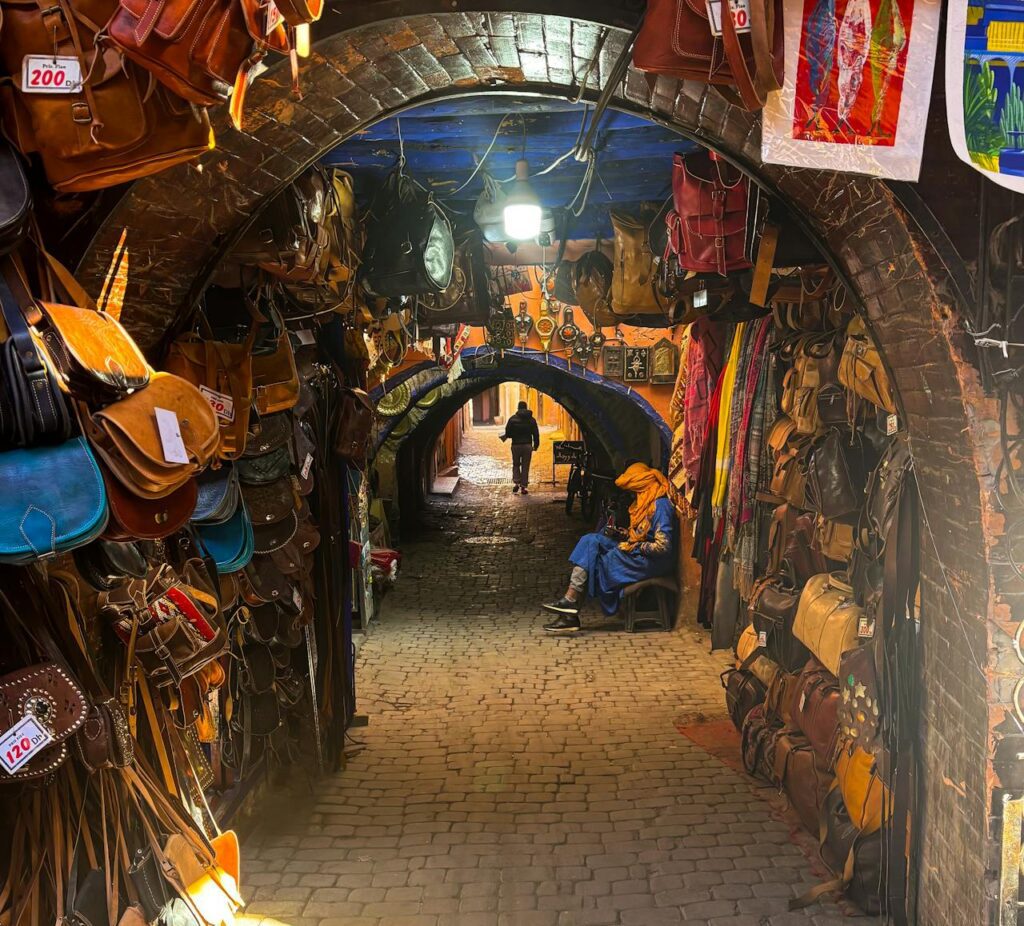
Narrow Streets and Winding Alleys
One of the most striking features of a Moroccan medina is its maze-like layout.
The streets are intentionally narrow and winding. This design served several purposes:
- Protection from invaders
- Privacy for residents
- Shade from the hot sun
- Cooling airflow during summer
Getting lost inside a medina is almost inevitable—but it is also part of the adventure.
Riads and Traditional Houses
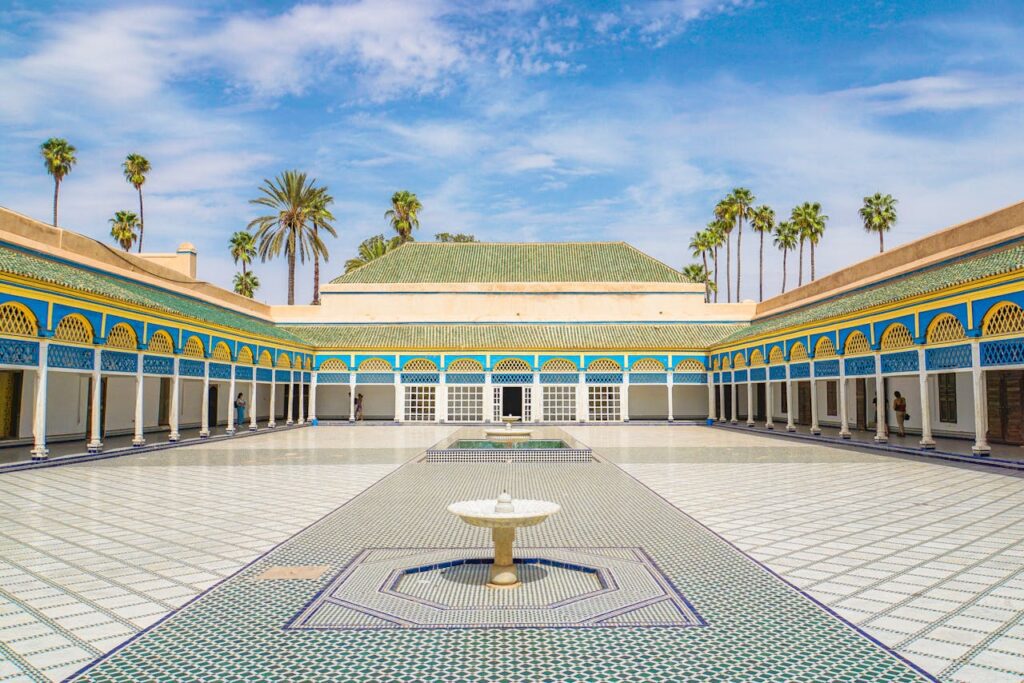
A riad is a traditional Moroccan house built around an interior courtyard.
From the outside, riads often look simple with plain walls. But once inside, visitors discover beautiful architectural details such as:
- Zellij tile mosaics
- Carved cedar wood
- Decorative plasterwork
- Peaceful gardens and fountains
Today, many riads have been restored and transformed into charming guesthouses or boutique hotels.
You may like: Investing in a Marrakech Riad in 2026: Profitability, Strategy, and Realistic Figures
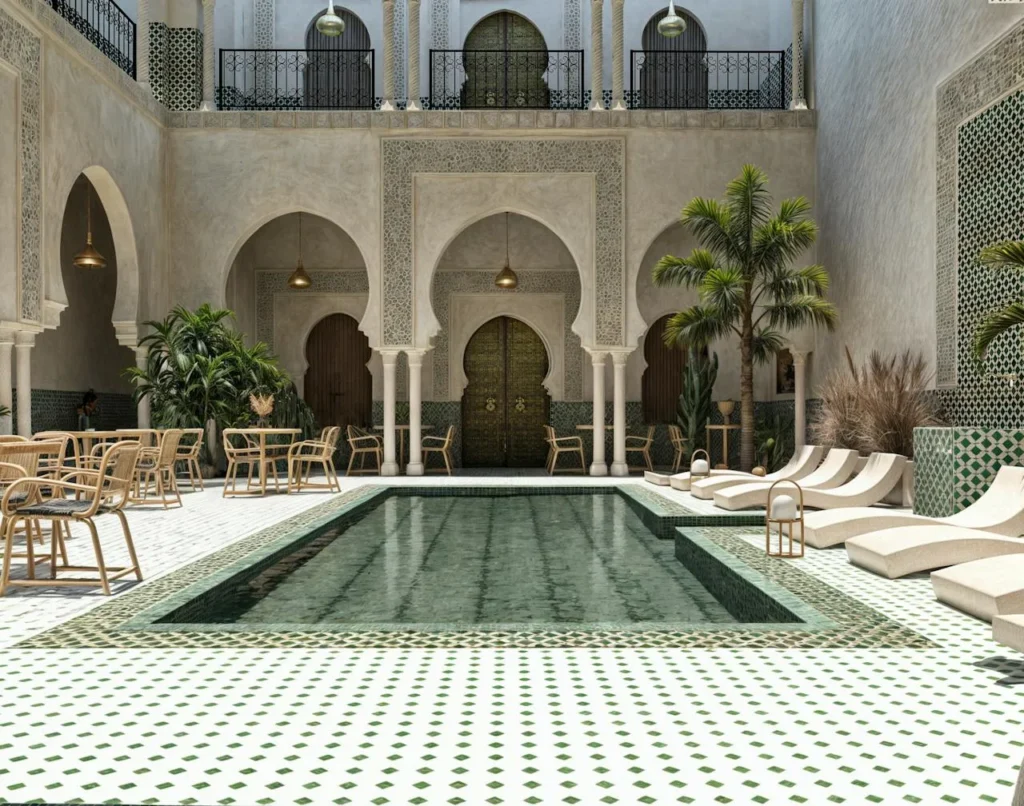
Photo by Achraf Borkadi via Pexels
City Walls and Ancient Gates
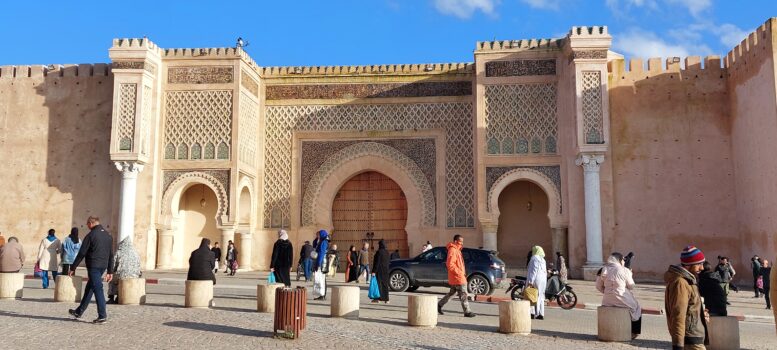
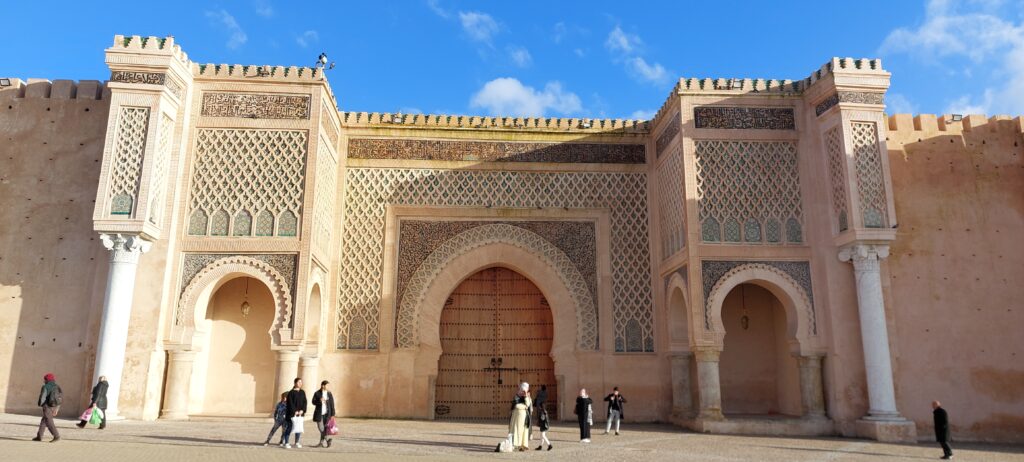
Most Moroccan medinas are surrounded by thick defensive walls built centuries ago.
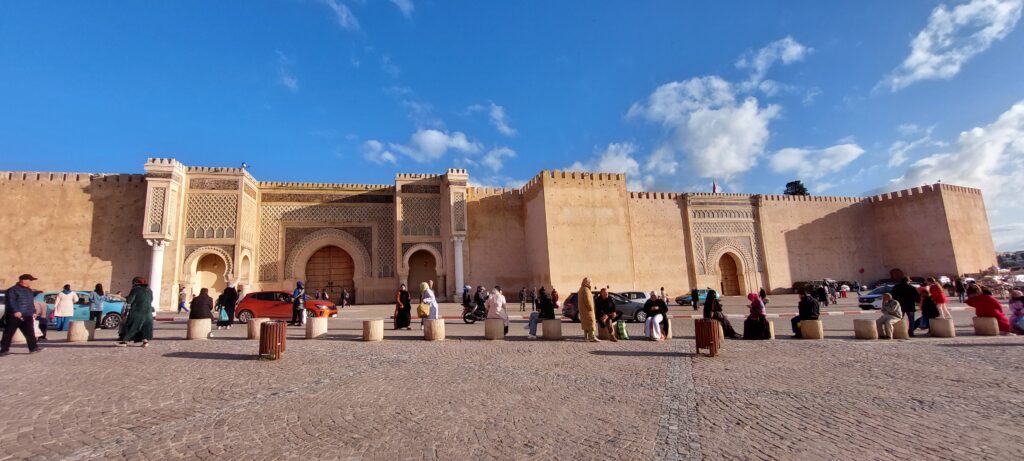
These fortifications include monumental gates known as “Bab”, which once controlled access to the city.
Famous examples include:
- Bab Boujloud in Fes
- Bab Mansour in Meknes
- Bab Agnaou in Marrakech
Each gate served as an important landmark and entry point to the historic city.
Related Post: 10 Beautiful Moroccan Gates: Icons of Art, History & Soul
Famous Medinas in Morocco
Fes – The Oldest Medina
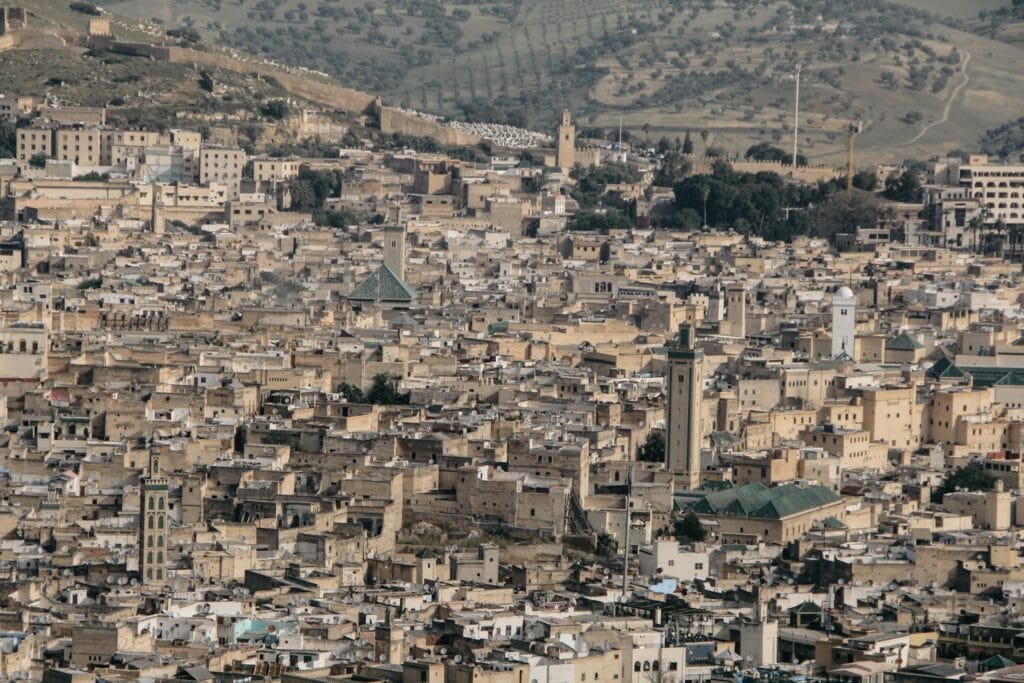
The medina of Fes el Bali is one of the oldest and largest medieval cities in the world.
It contains more than 9,000 narrow streets and remains one of the most authentic historic urban environments in Morocco.
Cars are not allowed inside most areas, and goods are still transported by donkeys and handcarts.
Discover more : The Souks of Fez (Fes El Bali): 10 Markets You Absolutely Must Visit
Marrakech – The Red City
The medina of Marrakech is famous for its lively atmosphere and colorful souks.
At the center lies Jemaa el-Fnaa square, where visitors can see street performers, storytellers, musicians, and traditional food stalls.
You may like: Jemaa el-Fna: The Beating Heart of Marrakech
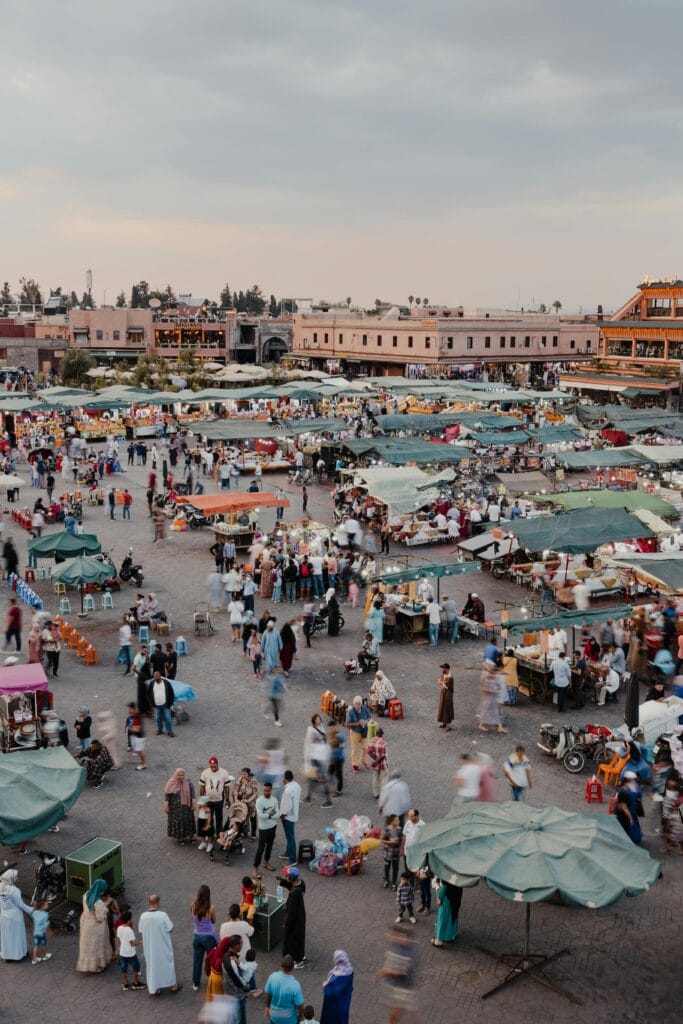
Photo credit: Faruk Tokluoğlu/ Pexels
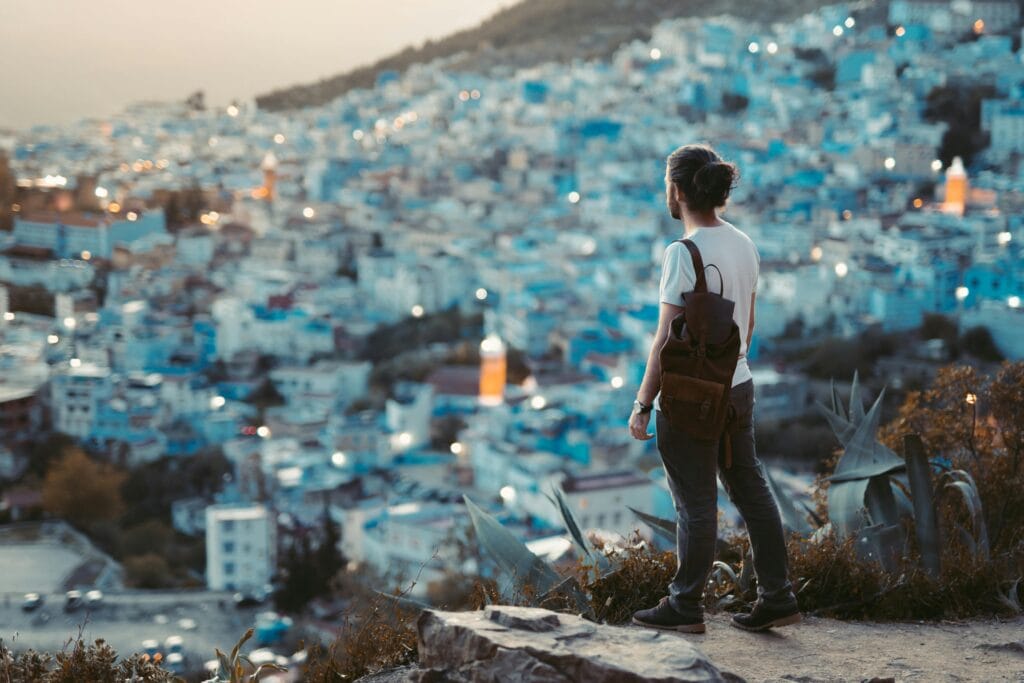
Chefchaouen – The Blue Medina
The medina of Chefchaouen is famous for its blue-painted streets and buildings.
Located in the Rif Mountains, it offers a peaceful atmosphere and stunning photography opportunities.
Meknes and Tetouan
Meknes has a more relaxed and royal atmosphere as a former imperial capital.
The medina of Tetouan reflects strong Andalusian influences, blending Moroccan and Spanish architectural traditions.
Exploring a Moroccan Medina
Getting Lost Is Part of the Experience
Maps rarely work perfectly inside medinas due to the complexity of the streets.
Instead of worrying about navigation, visitors are encouraged to wander freely and enjoy discovering hidden corners.
You might stumble upon:
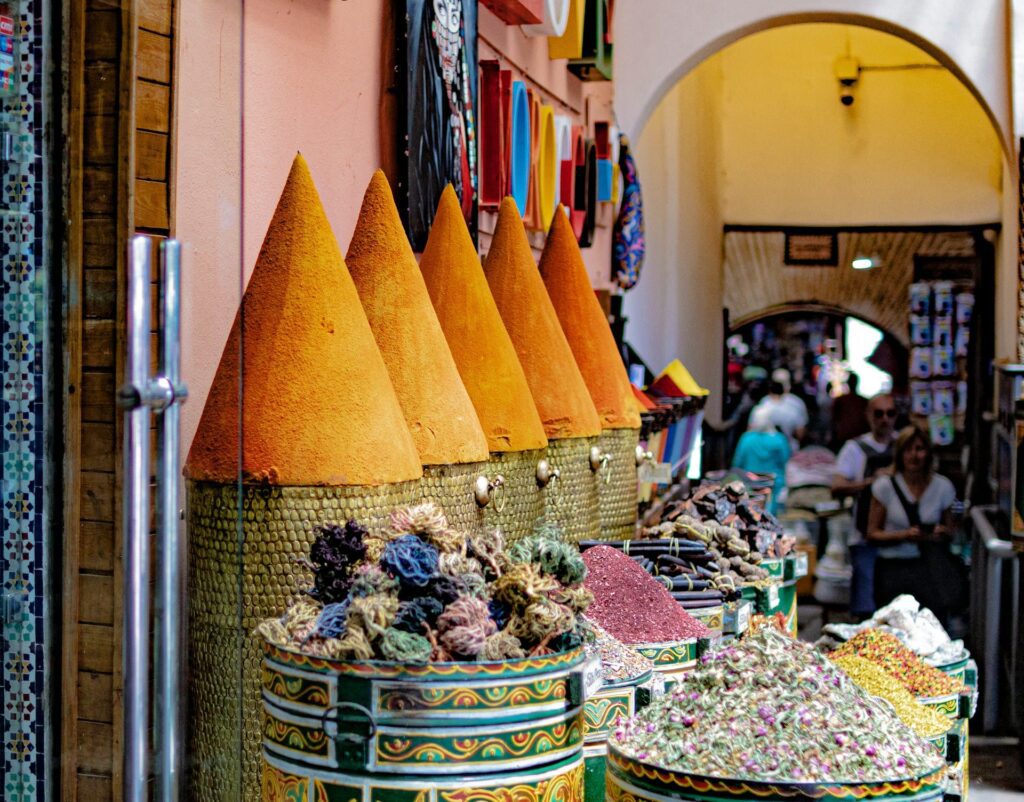
- Small spice shops
- Hidden cafés
- Traditional bakeries
- Beautiful tiled fountains
Daily Life Inside the Medina
Despite being popular tourist destinations, medinas remain vibrant living communities.
Daily life includes:
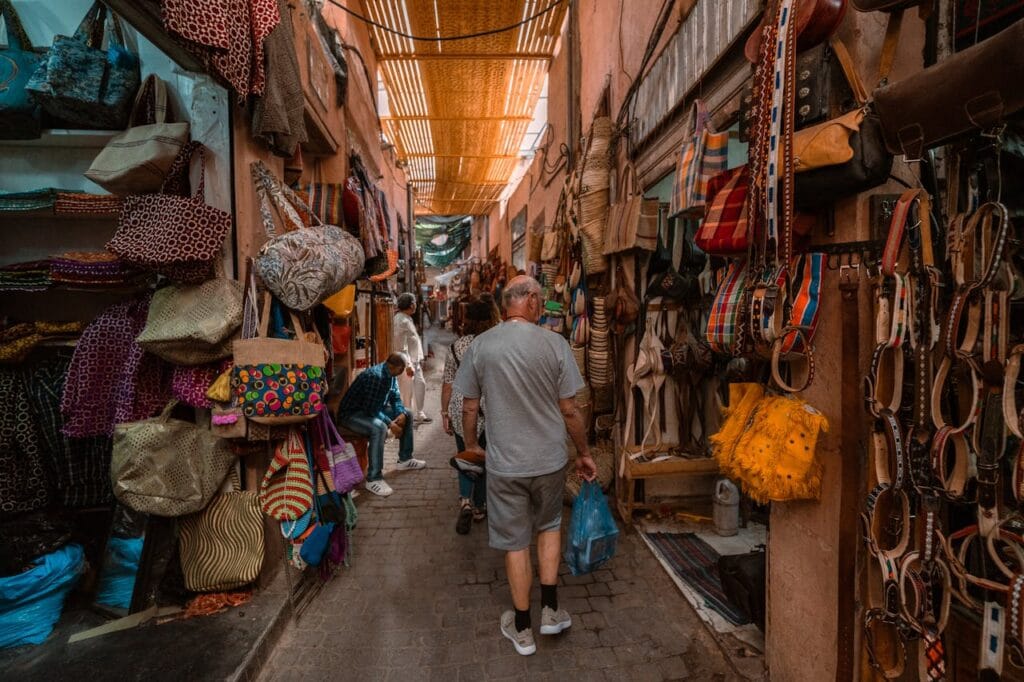
- Local families shopping in souks
- Artisans crafting leather, pottery, and carpets
- Children playing in narrow alleys
- The call to prayer echoing from mosques
The smells of spices, fresh bread, and mint tea fill the air, creating a sensory experience unique to Moroccan medinas.
UNESCO World Heritage Medinas
Several Moroccan medinas are recognized as UNESCO World Heritage Sites due to their cultural and historical significance.
These include:
- Medina of Fes
- Medina of Marrakech
- Medina of Tetouan
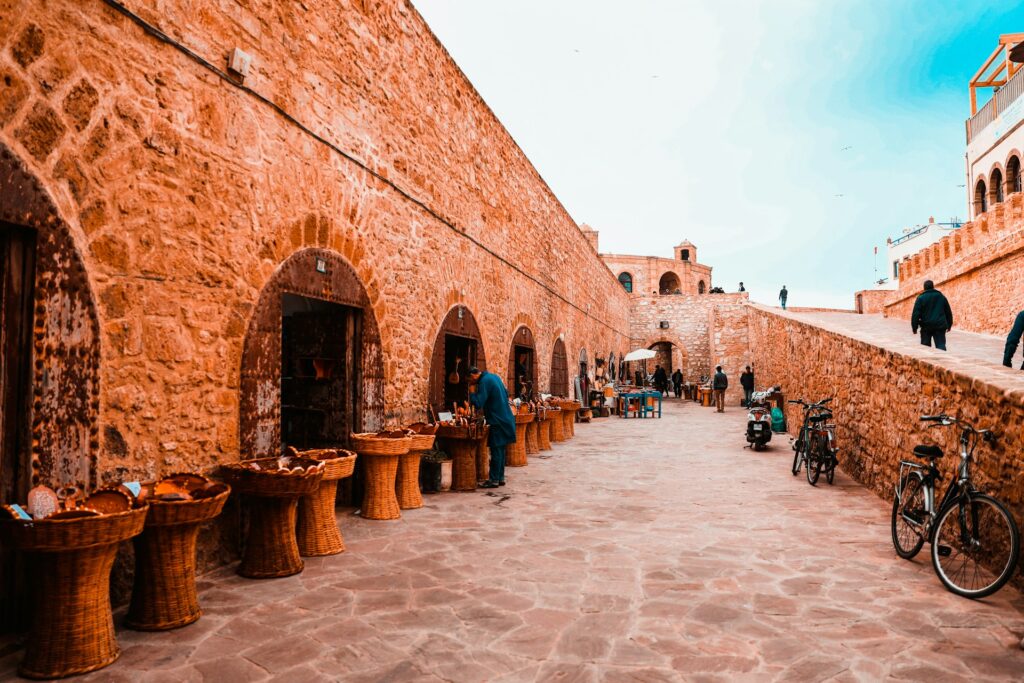
- Medina of Essaouira
These designations help protect and preserve these historic neighborhoods for future generations.
Tips for Visiting a Moroccan Medina
- Visit during the daytime for easier navigation.
- Respect local customs and private homes.
- Keep small cash for shopping in souks.
- Consider hiring a local guide in larger medinas.
- Take time to explore slowly and enjoy the atmosphere.
Conclusion: The Magic of Moroccan Medinas
A medina in Morocco is much more than a historic district. It is a living, breathing environment where centuries of history blend with everyday life.
From vibrant souks and beautiful riads to ancient gates and mosques, medinas represent the cultural heart of Moroccan cities.
Whether you are exploring the winding streets of Fes, shopping in the souks of Marrakech, or photographing the blue alleys of Chefchaouen, visiting a Moroccan medina is an unforgettable journey through time.
FAQ About Medinas in Morocco
What makes a medina unique?
A medina combines historic architecture, traditional markets, and vibrant daily life within a maze of narrow streets.
Is it safe to walk alone in a medina?
Yes, medinas are generally safe during the day, but visitors should remain aware of their surroundings and stay in busy areas.
What can you buy in a Moroccan medina?
You can find handcrafted goods such as carpets, leather products, pottery, spices, jewelry, and traditional clothing.
Do people still live in medinas?
Yes. Many families have lived in medinas for generations, making them active residential neighborhoods.
Are medinas only found in Morocco?
No. Other North African and Middle Eastern cities also have medinas, but Moroccan medinas are among the most famous and well preserved.