
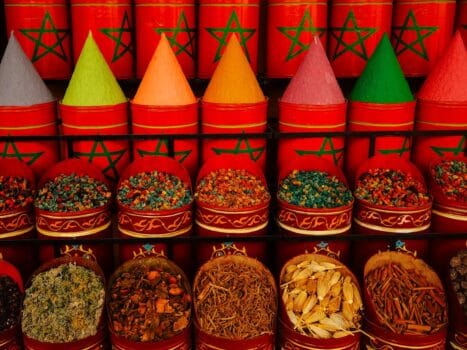
The Souk Attarine Marrakech guide helps visitors navigate one of the most sensory rich sections of the medina. Located within the dense souk network near Jemaa el Fna, this market focuses on spices, perfumes, herbal products, and traditional beauty items. Understanding how Souk Attarine functions allows travelers to move beyond surface browsing and engage directly with one of Marrakech’s most specialized commercial environments.
Once visitors recognize the structure of the souk and the logic behind product organization, they can explore more efficiently. This guide explains where Souk Attarine sits within the medina, what products define it, how pricing works, and how to integrate the visit into a broader Marrakech itinerary.
Where Is Souk Attarine in Marrakech?
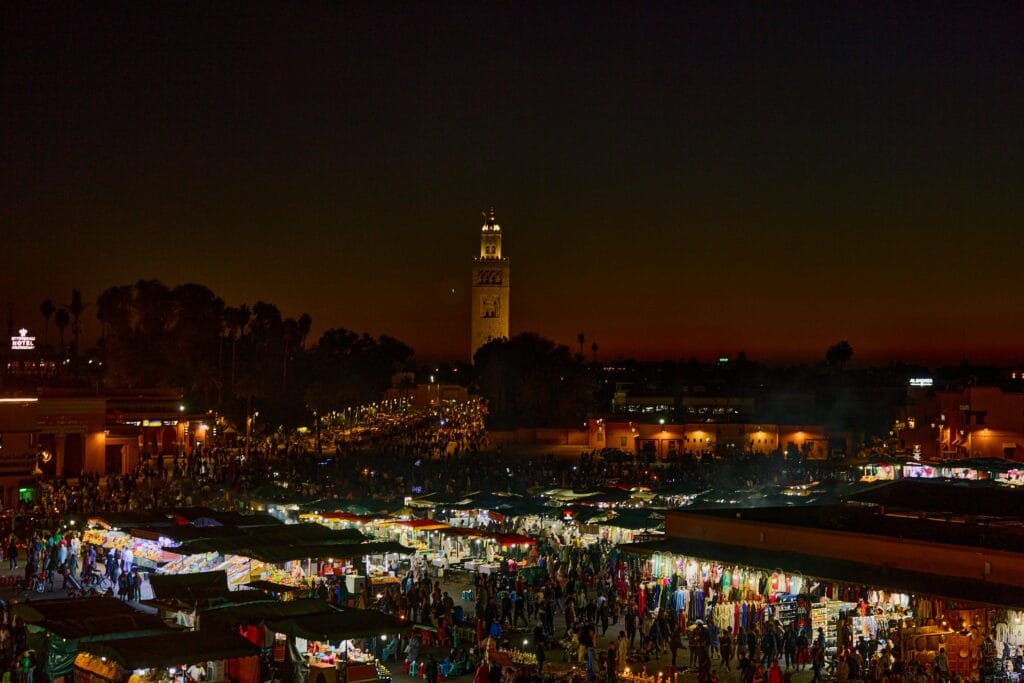
Souk Attarine sits within the central souk network north of Jemaa el Fna. From the main square, visitors can reach the souk in approximately five to ten minutes on foot by entering through Souk Semmarine, one of the primary commercial arteries.
Once inside the souk system, signage becomes limited and navigation relies on spatial awareness. As a result, identifying Souk Attarine depends on recognizing its distinctive product range rather than following clear directional markers. This characteristic reflects the organic development of the medina, where markets evolved by trade specialization rather than planned zoning.
Travelers can combine this route with nearby areas such as Souk Semmarine and Souk Cherratine, which offer complementary craft experiences. Understanding these connections allows visitors to structure a continuous walking route through multiple souk environments.
What Makes Souk Attarine Unique?
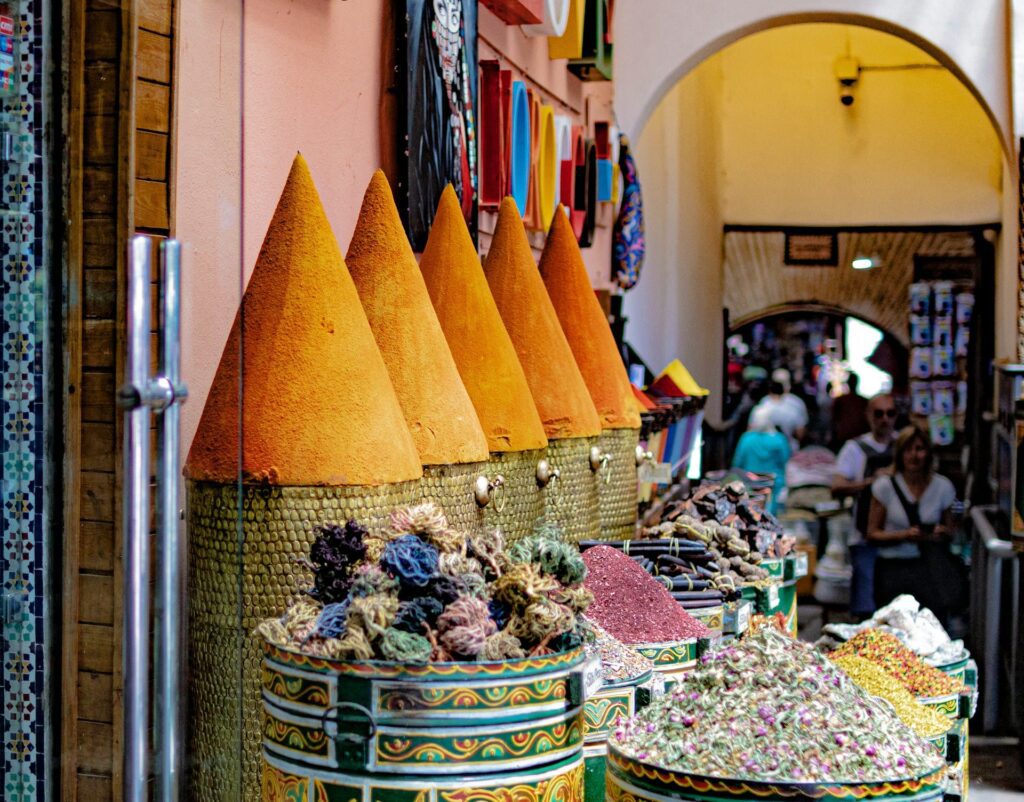
Souk Attarine distinguishes itself through its focus on aromatic products. The term “Attarine” historically refers to spice and perfume merchants, which explains the concentration of herbal goods, essential oils, and traditional remedies within this section of the medina.
Once inside, visitors encounter shops displaying pyramids of spices, jars of dried herbs, and rows of glass bottles filled with oils. This layout reflects both aesthetic presentation and practical organization. Merchants arrange products to highlight color, texture, and scent, which helps customers evaluate quality before purchase.
In practice, this specialization creates a more focused shopping experience compared to broader souks that mix multiple product categories. Visitors interested in Moroccan gastronomy, natural cosmetics, or traditional medicine will find this area particularly relevant.
What to Buy in Souk Attarine Marrakech
Spices and Culinary Products
Spices form the core offering of Souk Attarine. Common products include saffron, cumin, paprika, turmeric, and ras el hanout blends. These ingredients play a central role in Moroccan cooking, which makes them practical souvenirs for travelers interested in recreating local dishes.
Quality varies between vendors, so observing color intensity and aroma helps determine freshness. Saffron, for example, should display deep red threads with a strong fragrance. Prices typically range depending on quality, with small quantities starting around 20 to 50 dirhams.
Argan Oil and Natural Cosmetics
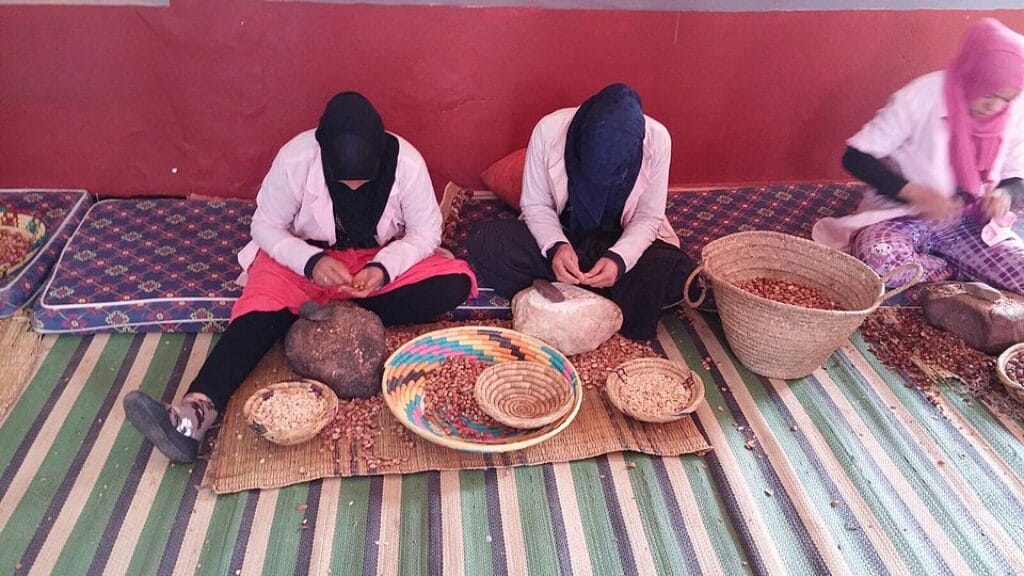
Argan oil represents another key product category. Vendors offer both culinary and cosmetic versions, which differ in processing methods. Cosmetic argan oil often appears alongside rose water, orange blossom water, and black soap used in traditional hammam routines.
Understanding these distinctions matters because it prevents confusion between similar looking products. Authentic cosmetic argan oil usually has a light texture and mild scent, while culinary oil carries a stronger nutty aroma.
Herbal Remedies and Traditional Medicine
Souk Attarine also functions as a center for herbal remedies. Merchants sell dried plants, roots, and powders used in traditional Moroccan medicine. These products often come with explanations of their uses, which range from digestive support to skincare treatments.
While these remedies reflect long standing practices, travelers should approach them with curiosity and basic caution. Asking questions about preparation and usage helps clarify how products are intended to be used.
Perfumes and Essential Oils
Perfume oils and essential oils form a visually distinctive part of the souk. Vendors display glass bottles filled with concentrated scents such as amber, musk, jasmine, and oud. These oils are often alcohol free, which aligns with traditional fragrance practices in Morocco.
Sampling plays an important role in this category. Vendors typically allow customers to test scents before purchasing, which helps identify preferences and evaluate quality.
How Pricing and Bargaining Work
Pricing in Souk Attarine follows a negotiation based system. Vendors usually present initial prices that leave room for discussion. As a result, bargaining becomes part of the purchasing process rather than an exception.
In practice, starting negotiations at approximately half of the initial price creates a reasonable baseline. From there, both parties adjust toward a final agreement. Maintaining a calm and respectful tone helps ensure a positive interaction.
Understanding approximate market prices improves negotiation outcomes. Observing multiple shops before making a purchase provides useful reference points and helps avoid overpaying.
Best Time to Visit Souk Attarine
Timing influences the overall experience in Souk Attarine. Morning visits between 9:30 and 11:30 offer a more relaxed environment with fewer crowds. During this period, vendors actively prepare their displays, which allows visitors to observe product organization and engage in conversation.
Afternoons and early evenings bring higher visitor numbers, especially near Jemaa el Fna. While this period creates a more dynamic atmosphere, it can also reduce the ability to move freely through narrow streets.
Seasonal factors also play a role. Spring and autumn provide moderate temperatures that support extended exploration, while summer heat can make midday visits less comfortable.
How to Integrate Souk Attarine Into a Marrakech Itinerary
Souk Attarine fits naturally into a broader exploration of the medina. Once visitors exit the souk, they can continue toward nearby landmarks such as Bahia Palace, located approximately 15 minutes east on foot.
Alternatively, travelers can return toward Jemaa el Fna to experience street performances and food stalls. This transition allows visitors to move from a focused shopping environment into a wider cultural setting.
For a more comprehensive understanding of Moroccan souks, comparing Marrakech with other cities provides useful context. The souks of Fes el Bali offer a more structured and craft specific layout, which contrasts with Marrakech’s dynamic and interconnected market system.
Similarly, exploring the contrast between modern and historic areas such as Gueliz and the old medina helps visitors understand how Marrakech balances tradition with contemporary urban development.
What to Expect as a First Time Visitor
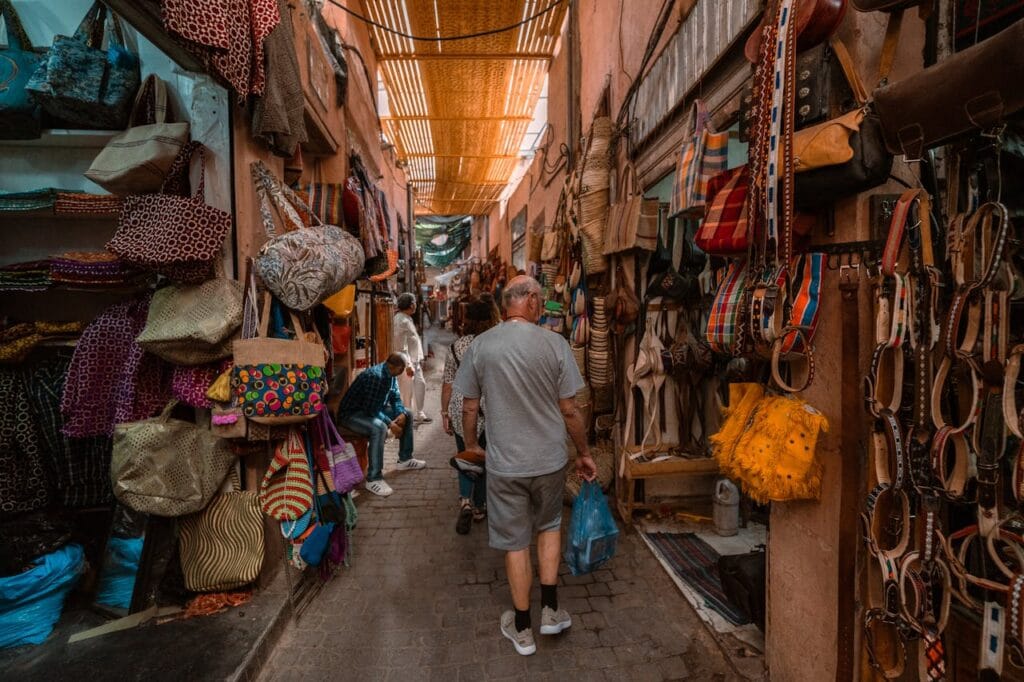
First time visitors should expect a dense and active environment. Souk Attarine operates as a working market rather than a curated tourist space. As a result, interactions occur frequently, and vendors may invite visitors to explore their shops.
Navigation requires patience. Streets remain narrow, and signage is minimal, which means visitors often rely on landmarks or general direction rather than exact routes. Using offline maps can help maintain orientation.
At this stage, understanding the rhythm of the souk becomes essential. Accepting the pace of movement, observing interactions, and engaging selectively allows visitors to navigate the space effectively.
Common Questions About Souk Attarine Marrakech
Is Souk Attarine worth visiting?
Yes. Souk Attarine provides a focused experience centered on spices, perfumes, and traditional products. This specialization makes it one of the most informative sections of the Marrakech souk network.
How long should you spend there?
Most visitors spend between 45 minutes and 1.5 hours exploring Souk Attarine, depending on their level of interest in shopping and interaction with vendors.
Can you find authentic products?
Yes, although quality varies. Comparing products across multiple shops helps identify authentic and high quality items.
Conclusion
The Souk Attarine Marrakech guide provides a structured approach to navigating one of the medina’s most specialized markets. By understanding its location, product categories, and pricing dynamics, visitors can move beyond casual browsing and engage directly with traditional Moroccan commerce.
Once integrated into a broader itinerary, Souk Attarine becomes more than a shopping destination. It functions as a cultural entry point into Marrakech’s medina, connecting visitors with practices that continue to shape daily life in the city.