Estimated reading time: 5 minutes
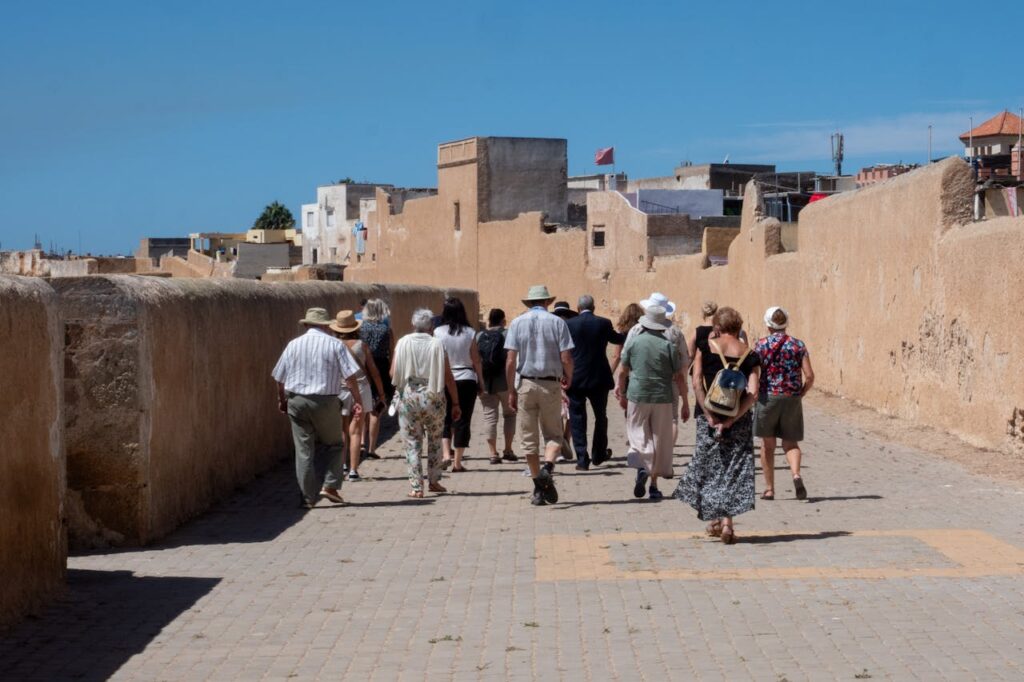
Senior visitors exploring the historic ramparts of the Portuguese City of El Jadida, a UNESCO, Morocco. Photo by jp martin via Pexels
Discover essential tips for senior citizens traveling to Morocco. Learn about safety, health, culture, and practical advice for a smooth and enjoyable journey.
Traveling later in life is one of the most rewarding experiences you can offer yourself. After decades of work and responsibilities, exploring a destination as rich and vibrant as Morocco becomes more than a trip, it becomes a meaningful journey. From ancient medinas to breathtaking landscapes, Morocco offers a unique blend of culture, history, and hospitality.
However, for senior travelers, visiting a new country also requires thoughtful preparation. Differences in climate, culture, and infrastructure can create challenges if not anticipated. The key to a successful trip lies in planning, awareness, and smart decision-making.
This guide provides expert-level advice to help you travel safely, comfortably, and confidently across Morocco — from planning your itinerary to navigating daily life.
Planning Your Trip – Timing, Comfort, and Smart Choices
A successful journey begins long before you board your flight. For senior citizens, planning is not just about booking tickets — it is about creating an environment where comfort and accessibility are prioritized at every stage.
Choosing the Best Time to Visit
The timing of your trip to Morocco can significantly impact your experience. The country has diverse climates, ranging from coastal breezes to desert heat.
For seniors, the best periods are spring (March to May) and autumn (September to November). During these months, temperatures are moderate, making it easier to explore cities like Marrakech, Fes, and Rabat without physical strain.
| Season | Conditions | Recommendation |
|---|---|---|
| Spring | Mild, blooming landscapes | Highly recommended |
| Summer | Very hot inland | Avoid for seniors |
| Autumn | Comfortable temperatures | Ideal |
While these seasons are popular and may involve more tourists, the comfort they provide outweighs the inconvenience of crowds.
Accommodation and Transport Strategy
Selecting the right accommodation is essential. Look for:
- Hotels with elevators and accessible rooms
- Central locations near main attractions
- 24/7 assistance and concierge services
Cities like Casablanca offer modern hotels with international standards, while traditional riads in Fes provide cultural immersion — though they may involve stairs and limited accessibility.
For maximum comfort, consider private tours or guided services tailored to your pace and mobility. These options reduce stress and allow you to enjoy Morocco without logistical challenges.
👉 Internal reading: Vegetarian Food in Morocco: The Ultimate Guide for Travelers
Planning properly ensures your journey starts smoothly — but health and safety remain the next priority.
Health and Safety, Travel with Confidence
Health and safety are essential pillars of any successful trip, especially for senior travelers. Morocco is generally safe, but preparation is key to avoiding complications.
Medical Preparation
Before traveling, consult your doctor at least one month in advance. While no mandatory vaccines are required, recommended protections may include hepatitis A, hepatitis B, and typhoid.
Bring:
- A sufficient supply of medications
- Copies of prescriptions
- A list of medical conditions
It is also wise to carry travel insurance covering international care and emergencies.
Safety Tips for Senior Travelers
Morocco is welcoming, but like any destination, it requires awareness.
- Keep valuables secure
- Avoid walking alone at night in unfamiliar areas
- Carry copies of important documents
- Stay alert in crowded markets
Trust your instincts. If a situation feels uncomfortable, step away.
👉 Related: Solo Female Travel in Morocco: Complete Guide for Safe and Confident Trips
Scams can occur in tourist-heavy areas. Be cautious with unsolicited offers of help and always verify services.
Health insurance is critical. Ensure your plan includes:
- Emergency hospitalization
- Trip cancellation coverage
- Medical evacuation if needed
With proper precautions, Morocco remains a safe and enjoyable destination for seniors.
Culture, Etiquette, and Practical Travel Tips
Understanding local culture is the key to a respectful and enriching travel experience.
Cultural Awareness
Morocco’s culture blends Arab, Berber, and Islamic influences. Respecting local customs enhances your interactions and helps avoid misunderstandings.
- Dress modestly, especially in religious sites
- Greet locals with “Salam Alaikum”
- Respect traditions and social norms
Moroccans value politeness and hospitality, and showing respect often leads to warm and meaningful exchanges.
Practical Travel Essentials
Packing smartly can significantly improve your comfort.
- Lightweight clothing
- Comfortable walking shoes
- Sunscreen and hat
- Medications and documents
When visiting places like the Hassan II Mosque, modest attire is required.
Money and Budgeting
Managing finances effectively is essential:
- Carry Moroccan dirhams and cards
- Inform your bank before traveling
- Expect to bargain in souks
Bargaining is part of the culture, approach it respectfully and with a smile.
👉 Internal guide: Traveling to Morocco with Kids: The Ultimate Family Practical Guide
With these strategies, you can navigate Morocco confidently and comfortably.
Final Thoughts
Traveling to Morocco as a senior citizen can be an incredibly enriching experience when approached with preparation and awareness. By choosing the right time, prioritizing health and safety, and embracing local culture, you can enjoy a smooth and unforgettable journey.
With the right mindset and planning, Morocco becomes not just a destination, but a deeply rewarding experience filled with discovery, comfort, and connection.