
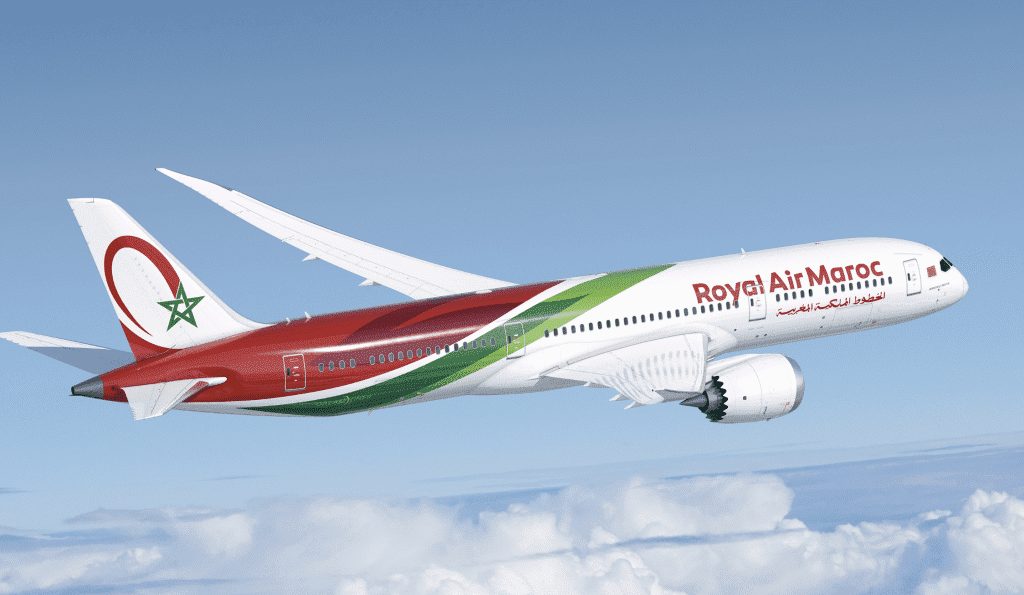
Royal Air Maroc aircraft strengthening summer connectivity in 2026. Credit: RAM
Morocco’s aviation sector continues its rapid expansion as Royal Air Maroc unveils an ambitious reinforcement of its summer 2026 flight schedule. With the return of the Tangier–Malaga route and increased frequencies to major European hubs, the national carrier is positioning northern Morocco as a key gateway for tourism, diaspora travel, and regional economic growth.
These strategic adjustments reflect a broader trend: Morocco is strengthening its air connectivity ahead of peak travel seasons and major global events, while responding to rising demand from both international visitors and Moroccans living abroad.
Return of the Tangier–Malaga Route: A Strategic Reconnection
After a suspension since June 2022, the Tangier–Malaga route is making a highly anticipated comeback. Starting from July 6 to September 4, 2026, the route will operate two weekly flights, using Boeing 737-800 aircraft.
| Route | Frequency | Period | Aircraft |
|---|---|---|---|
| Tangier – Malaga | 2 flights/week | July 6 – Sept 4, 2026 | Boeing 737-800 |
Flights will depart from Tangier in the mid-afternoon, with evening returns from Malaga, offering convenient schedules for both leisure and short-stay travelers.
Stronger European Connectivity: Focus on Brussels
Beyond Spain, Royal Air Maroc is also boosting its presence in Northern Europe. The Tangier–Brussels route will increase from five to seven weekly flights starting July 4, 2026.
This upgrade transforms the route into a daily connection, reinforcing Brussels as a major hub for:
- Moroccan diaspora travel (MRE summer العودة)
- Tourism flows between Belgium and Morocco
- Business and institutional exchanges within Europe
Domestic Expansion: Tangier–Casablanca Gets a Boost
At the national level, Royal Air Maroc is reinforcing domestic mobility by increasing flights between Tangier and Casablanca from four to five weekly rotations.
Operated by ATR72 aircraft, this enhancement will run from June 28 to September 6, 2026, targeting:
- Business travelers commuting between economic hubs
- Tourists connecting to international flights via Casablanca
- Seasonal travelers during peak summer months
| Domestic Route | New Frequency | Aircraft |
|---|---|---|
| Tangier – Casablanca | 5 flights/week | ATR72 |
Aviation Growth Supporting Tourism and Economic Expansion
These route developments are not isolated decisions—they are part of a broader national strategy aimed at:
- Boosting tourism arrivals across key regions
- Facilitating MRE travel during peak summer season
- Strengthening regional economies through improved accessibility
- Preparing Morocco’s transport infrastructure for upcoming global events
With cities like Tangier experiencing rapid industrial, port, and tourism growth, enhanced air connectivity becomes a crucial driver of development.
Morocco’s Northern Hub: Tangier at the Center of Growth
Tangier’s transformation into a major economic and logistics hub—driven by projects such as Tanger Med Port and expanding tourism infrastructure—makes it a natural focal point for aviation expansion.
Improved air routes:
- Connect Tangier to major European markets
- Support investment and business travel
- Enhance its attractiveness as a tourist destination
This aligns with Morocco’s broader ambition to position itself as a bridge between Europe and Africa, both geographically and economically.
What This Means for Travelers in Summer 2026
For travelers, these updates translate into:
- More flexibility in flight schedules
- Better connectivity between regions
- Competitive pricing due to increased capacity
- Easier access to northern Morocco destinations
Whether planning a beach escape in Tangier, a cultural trip across Morocco, or a quick European getaway, passengers will benefit from greater choice and convenience.
A Strategic Step Toward 2030
As Morocco prepares for major international milestones—including the 2030 FIFA World Cup—air transport plays a central role in supporting the country’s global ambitions.
Royal Air Maroc’s expansion strategy reflects a clear objective: to position Morocco as a leading aviation hub in Africa and the Mediterranean, capable of handling increasing passenger flows while maintaining service quality and efficiency.
Conclusion: A Strong Signal for Morocco’s Aviation Future
The reinforcement of Royal Air Maroc’s summer 2026 schedule highlights a key reality: Morocco’s aviation sector is entering a new phase of growth and international integration.
By reconnecting routes, increasing frequencies, and strengthening domestic links, the national carrier is not only responding to demand—but actively shaping the future of mobility in the region.
MoroccoBeat — Inspiring Stories, Positive Energy, Proudly Moroccan.