Rabat, Morocco’s elegant and ever-evolving capital, has been ranked the fifth-best destination in the world to visit in 2026, according to the prestigious National Geographic magazine. The ranking places Rabat ahead of iconic cities such as Rio de Janeiro (Brazil), Vancouver (Canada), Maui (Hawaii), the Basque Country (Spain), and Manila (Philippines).
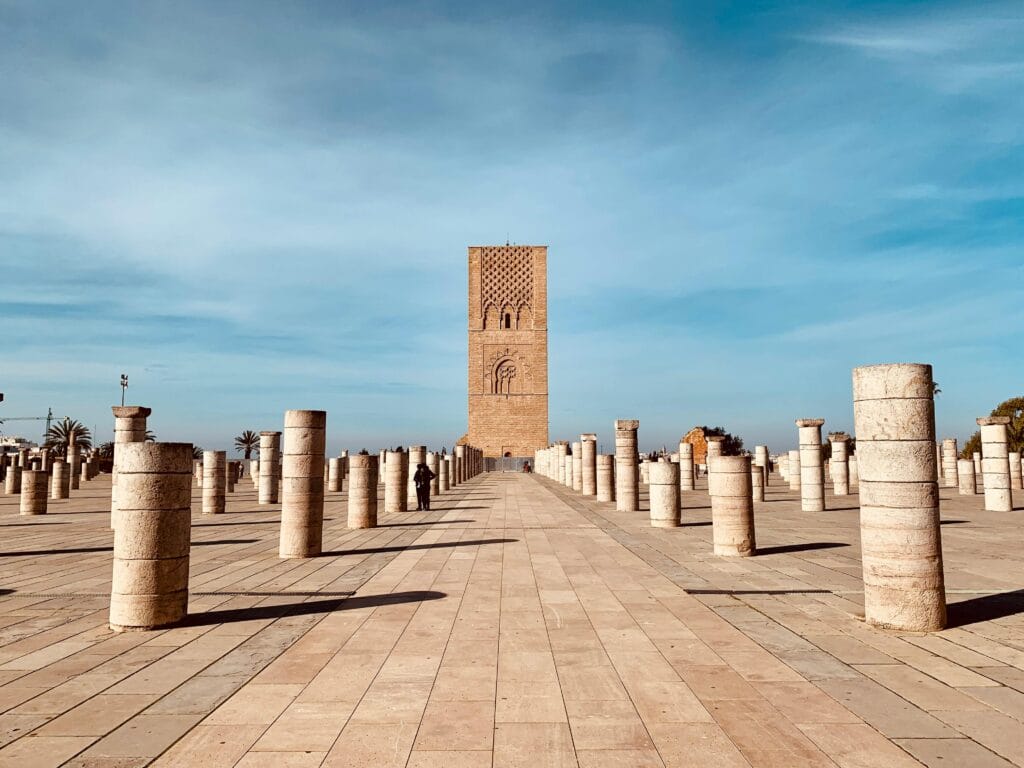
The Hassan Tower in Rabat Morocco By Sarah Hall/Pexels
A City Where Heritage Meets Modernity
Described by National Geographic as “a relaxed Atlantic-coast capital that is both an ancient imperial city and a cosmopolitan metropolis,” Rabat charms visitors with its timeless balance of history and forward-looking design. From the 12th-century Kasbah of the Oudayas to the sweeping boulevards of the French-built Ville Nouvelle, every corner of the city tells a story of elegance and renewal.
The magazine highlighted the Mohammed VI Tower, Morocco’s tallest building and an architectural symbol of progress, as well as the Royal Theater of Rabat, designed by the late Zaha Hadid, which adds a futuristic touch to the capital’s skyline. Meanwhile, the recently restored Chellah Necropolis stands as a poetic reminder of Rabat’s layered history, where Roman ruins and Islamic architecture coexist in harmony.
A Capital of Art, Literature and Light
National Geographic also praised Rabat’s cultural dynamism. At the heart of the city lies the Mohammed VI Museum of Modern and Contemporary Art, home to more than 500 works rooted in Moroccan and African creativity. The museum celebrates talents such as world-renowned photographer and designer Hassan Hajjaj, whose art bridges tradition and pop culture.
Rabat’s literary scene continues to flourish as well. The city has been designated by UNESCO as the World Book Capital for 2026, recognizing its commitment to culture and knowledge. Throughout the year, visitors will find readings, book fairs, and artistic events across its libraries and cultural venues, including the National Library of the Kingdom of Morocco.
Morocco’s Cultural Rise on the Global Stage
Rabat’s inclusion in the Best of the World 2026 list marks another milestone in Morocco’s ongoing tourism and cultural renaissance. The kingdom continues to invest in modern infrastructure and creative industries, reinforcing its position as a leading destination ahead of major global events like the AFCON 2025 and the 2030 FIFA World Cup.
“Rabat’s recognition is more than symbolic, it represents Morocco’s ability to honor its past while embracing the future,” said travel editor Sarah Gilbert for National Geographic.
For those eager to experience the city firsthand, Rabat promises a journey through time: from the oceanfront Kasbah to cutting-edge art museums and the ever-vibrant medina. It is a place where heritage breathes, creativity thrives, and Morocco’s modern identity shines.
Explore More About Morocco
To plan a meaningful visit, explore our guides and features on Morocco’s top destinations: