Estimated reading time: 4 minutes
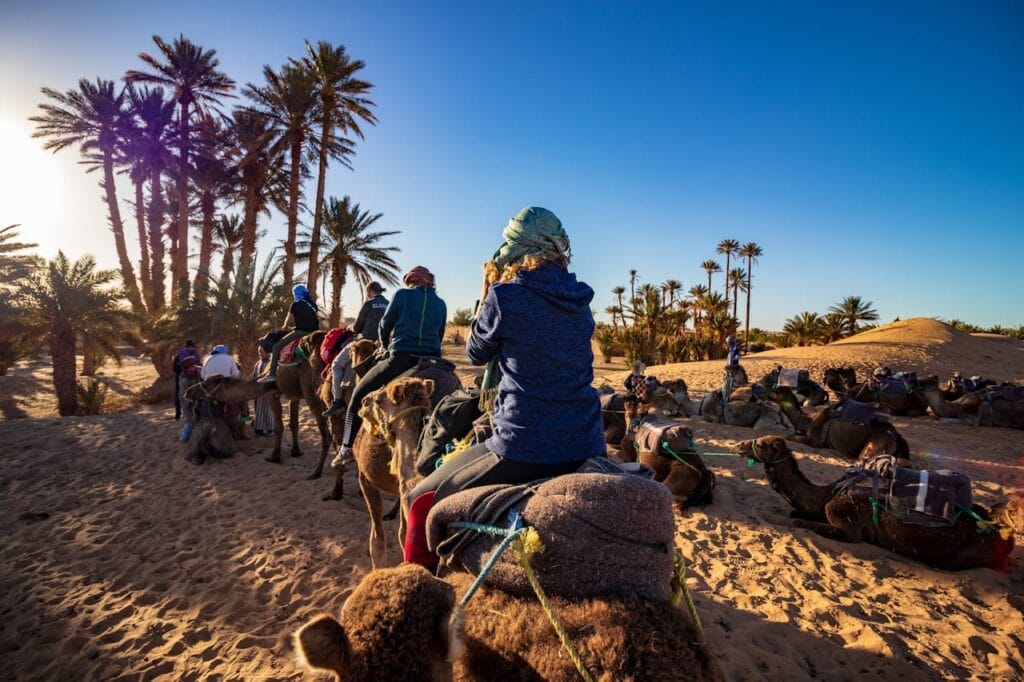
Tourists riding camels in the Moroccan desert, reflecting the country’s growing travel appeal and authentic experiences. Photo by Tomas Malik / Pexels
According to the latest data released by the Office des Changes, tourism revenues reached 11.65 billion Moroccan dirhams in January 2026, compared to 9.77 billion dirhams during the same month in 2025. This sharp increase confirms Morocco’s growing global appeal and builds on the record-breaking performance of 2025, when the sector generated 138 billion dirhams in total revenues.
A Strong Start to 2026
The 19.3% growth in January highlights the continued momentum of Morocco’s tourism industry. The Kingdom is increasingly perceived as a year-round destination offering a diverse portfolio of experiences — from imperial cities and Atlantic beaches to Sahara desert adventures and Atlas mountain escapes.
| Indicator | January 2025 | January 2026 |
|---|---|---|
| Tourism Revenues | 9.77 Billion MAD | 11.65 Billion MAD |
| Growth Rate | — | +19.3% |
Strategic Initiatives Powering Sustainable Growth
Morocco’s tourism surge is driven by a comprehensive national strategy focused on:
- Expanding international air connectivity
- Promoting diversified tourism circuits (cultural, desert, coastal, mountain)
- Strengthening global marketing campaigns
- Encouraging eco-tourism and experiential travel
- Investing in digital tourism services
These measures align with Morocco’s broader Vision 2030 framework, which positions tourism as a pillar of long-term economic growth and sustainable development.
Major Events as Tourism Catalysts
The Africa Cup of Nations (AFCON) 2025 played a significant role in boosting tourism spending. Cross-border transactions from participating countries surged by over 190% compared to the previous year, highlighting the strong economic multiplier effect of major sporting events.
Large-scale international events stimulate demand for hotels, transportation, restaurants, and tourism-related services, creating immediate and long-term benefits for the local economy.
Target 2030: 26 Million Visitors
Looking ahead, Morocco has set an ambitious objective: attracting 26 million visitors annually by 2030. This goal focuses on both international and domestic tourism markets.
The strategy emphasizes:
- Sustainable tourism development
- Infrastructure modernization
- High-quality service standards
- Luxury and experiential tourism growth
- Heritage and cultural tourism preservation
By diversifying its tourism offerings, including eco-tourism, culinary tourism, and cultural heritage circuits, Morocco aims to meet evolving global travel trends.
Tourism and Infrastructure: A Strategic Combination
Investment in infrastructure remains central to Morocco’s tourism expansion. Airport upgrades, improved road networks, and new accommodation projects are designed to enhance the visitor experience while supporting rising demand.
Modern transport systems and hospitality developments ensure smoother travel experiences and reinforce Morocco’s competitiveness on the global stage.
Economic Impact Across Regions
The growth in tourism revenues directly benefits local communities through job creation and increased business opportunities. Hospitality, transport services, artisanal markets, cultural festivals, and eco-tourism projects contribute to regional development.
Importantly, tourism expansion supports economic diversification, particularly in rural and emerging destinations that historically relied on agriculture or limited industries.
Strengthening Morocco’s Global Position
The strong performance recorded in January 2026 confirms the effectiveness of Morocco’s strategic tourism planning. With consistent growth, infrastructure investment, and sustainable initiatives, the Kingdom continues to solidify its role as a major global tourism destination.
As Morocco advances toward its 2030 objectives, tourism remains a cornerstone of economic resilience, cultural promotion, and international visibility.
With momentum on its side, Morocco’s tourism story in 2026 is just beginning.
Source: Travel And Tour World