Morocco has once again demonstrated its ability to host major international sporting events following the successful organization of the 2025 Africa Cup of Nations (AFCON). Beyond football, the tournament served as a large-scale rehearsal for the 2030 FIFA World Cup, which the Kingdom will co-host alongside Spain and Portugal, while significantly boosting tourism growth.
AFCON 2025: A Major Boost for Morocco’s Tourism
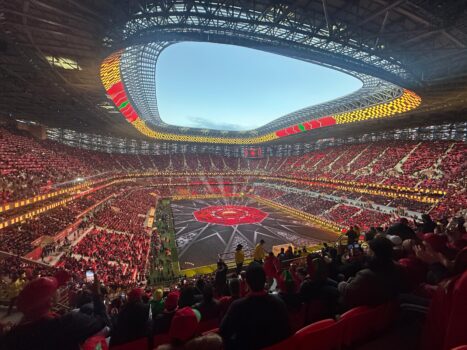
The 35th edition of the Africa Cup of Nations concluded on January 18, 2026, with the final held at the Prince Moulay Abdellah Stadium in Rabat. The month-long competition, which began on December 21, 2025, transformed cities such as Rabat, Tangier, Fez, and Marrakech into vibrant football and cultural hubs.
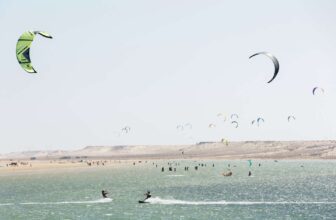
Thousands of international supporters traveled to Morocco, many extending their stays to explore multiple host cities. This influx highlighted the Kingdom’s rich cultural heritage, diverse landscapes, and growing hospitality sector, reinforcing Morocco’s status as a leading sports tourism destination in Africa.
Record Tourism Figures in 2025
Morocco recorded a historic 19.8 million international tourists in 2025, representing a 14% increase compared to the previous year. Tourism revenues exceeded $13 billion, up 19% year-on-year, allowing Morocco to surpass Egypt as Africa’s top tourist destination.
According to Achraf Fayda, Director General of the Moroccan National Tourist Office (ONMT), visitor activity extended well beyond matchdays. Fans traveled across regions, stayed longer, and contributed to sustained economic growth aligned with the Tourism Roadmap 2023–2026.
Improved Air Connectivity and Hotel Expansion
In preparation for AFCON and future global events, Morocco significantly expanded its air connectivity. New routes from European cities increased seat capacity by nearly 30%, particularly benefiting destinations such as Marrakech and Agadir.
The Kingdom also added over 43,000 new hotel beds by 2025, with more than half of its accommodation capacity now classified as 4- or 5-star. Supported by the Moroccan Society for Tourism Engineering (SMIT), more than 100 new hotels opened, while over 1,500 tourism projects focused on culture, gastronomy, and nature were developed.
Major international hotel groups are accelerating investments ahead of 2030. Radisson Hotel Group, for instance, plans to open 25 hotels in Morocco by 2030, strengthening the country’s premium hospitality offering.
A Full-Scale Rehearsal for the 2030 FIFA World Cup
The Africa Cup of Nations acted as a practical test for Morocco’s World Cup readiness. The country invested approximately €1.8 billion in stadium construction and renovation, delivering six new venues and upgrading three others.
Among the flagship projects is the future 115,000-seat Hassan II Stadium in Benslimane, near Casablanca, expected to be completed by 2028 and set to become one of the largest stadiums in the world.
Despite minor controversies during the final, the Confederation of African Football (CAF) praised AFCON 2025 as the most commercially successful edition in the tournament’s history.
Tourism Ambitions Toward 2030
With a target of 26 million tourists by 2030, Morocco views sports tourism as a strategic growth engine. AFCON 2025 confirmed that major football events generate international visibility, economic momentum, and long-term tourism demand.
As preparations continue for the 2030 FIFA World Cup, Morocco is positioning itself not only as a football powerhouse but also as a rising global tourism leader.
Source: Tourism Review
Related reads:
- Visiting Marrakech During Ramadan: A Complete Travel Guide
- Tourism: Morocco Prepares a New Generation of Innovative Projects
- Surfing in Taghazout, Morocco: The Ultimate Guide to Africa’s Surf Paradise
- African Club Competitions: Moroccan Clubs Learn Group Stage Matchday 3 Schedule
- Asilah, Morocco: The White-and-Blue Coastal Gem of Art and History