
Estimated reading time: 6 minutes
Morocco is attracting strong summer travel demand, but one simple document mistake can stop a holiday before it even begins. Travelers heading to Morocco should carefully check passport rules before arriving at the airport.
Important travel reminder: Entry rules can vary depending on nationality, airline policy and passport type. Always check your government’s latest travel advice, your airline requirements and Moroccan entry rules before departure.
Why Some Travelers Are Being Stopped Before Flying to Morocco
Morocco remains one of the most popular summer destinations for travelers from Europe and beyond. With its beaches, medinas, desert landscapes and growing air connections, the Kingdom continues to benefit from strong tourism demand.
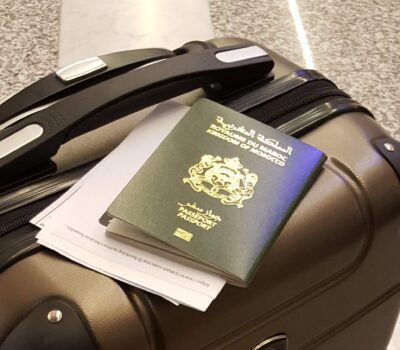
However, a strict administrative rule is still catching some passengers by surprise: travelers generally need a valid passport to enter Morocco. A national identity card alone is not enough for many foreign visitors, including French tourists traveling for leisure.
This mistake can have immediate consequences. If passengers arrive at check-in with the wrong document, an expired passport, a damaged passport or missing documents for children, they may be denied boarding before the trip begins.
The Key Rule: A Passport Is Required for Morocco
For most international tourists, Morocco requires a valid passport. French official travel advice states that travelers must hold a passport valid for the entire planned stay in Morocco. The Moroccan Ministry of Foreign Affairs also states that foreign visitors must have a valid passport covering at least the duration of their stay.
In practical terms, this means travelers should not assume that a European national identity card is enough. Even if a traveler can move within parts of Europe using an ID card, Morocco is outside the Schengen Area and applies its own border rules.
Passport Validity: Why the Rules Can Differ by Country
One reason travelers get confused is that different governments publish slightly different recommendations depending on nationality.
- French travelers: France Diplomatie says a passport valid for the entire stay is required.
- British travelers: UK travel advice says passports should have at least three months of validity from the date of arrival.
- Canadian and U.S. travelers: official advice commonly recommends or requires six months of validity.
Because airlines may apply stricter boarding checks than the minimum entry rule, the safest approach is simple: travel with a passport valid for at least six months, in good condition, with blank pages available for entry stamps.
Children Need Proper Travel Documents Too
Families are among the travelers most exposed to last-minute problems. A common mistake is assuming that children can travel with a parent’s documents or with incomplete paperwork.
Every child traveling to Morocco should have the required personal travel document, usually a valid passport. Parents should also check whether additional authorization is required when a minor travels with only one parent, with relatives or as part of a group.
Tour operators frequently warn that missing documents for children are one of the main reasons family holidays are cancelled at the airport.
A Damaged Passport Can Also Lead to Refusal
Having a passport is not always enough. A damaged passport can cause problems at check-in, boarding or border control.
- torn or missing pages;
- water damage;
- curled or heavily worn pages;
- a damaged photo page;
- an unreadable machine-readable zone;
- a defective chip on biometric passports;
- loose binding or visible tampering.
If there is any doubt, renewing the passport before travel is safer than risking refusal at the airport.
Why Denied Boarding Can Be Expensive
When a passenger is refused boarding because of invalid or insufficient documents, the financial loss can be significant. In many cases, airlines, hotels and travel agencies do not refund the trip because the traveler is responsible for holding valid documents.
This can mean losing the cost of flights, hotels, transfers, excursions and package holidays. Travel insurance may also refuse compensation if the problem was caused by failure to meet entry requirements.
Morocco Travel Document Checklist Before Going to the Airport
- Your passport is valid for the full trip, and preferably for at least six months.
- Your passport is not damaged.
- You have at least one blank page for entry and exit stamps.
- Children have their own valid passports.
- Your name on the ticket matches your passport exactly.
- You have checked visa rules for your nationality.
- You have printed or saved hotel bookings and return flight details.
- You have checked airline and tour operator document requirements.
- You have reviewed your government’s latest Morocco travel advice.
Do Tourists Need a Visa for Morocco?
Many nationalities, including citizens of the European Union, the United Kingdom, the United States and Canada, can usually visit Morocco for tourism without a visa for stays of up to 90 days. However, visa rules depend on nationality and passport type.
Travelers should always check official advice before booking, especially if they hold a residence permit, emergency passport, refugee travel document or non-standard passport.
What About Moroccan Citizens Living Abroad?
Moroccans living abroad may have different entry options depending on whether they travel with a Moroccan passport, a national identity card or another nationality’s passport. However, document rules can still be strict, especially for boarding flights and for children.
Moroccan citizens abroad should check with Moroccan consular services before travel if their passport is expired, lost, damaged or if children’s documents are incomplete.
What to Do If Your Passport Is Close to Expiry
- the passport expires soon after the trip;
- the passport is damaged;
- there are no blank pages left;
- the passport photo no longer clearly matches the traveler;
- the traveler is a child whose passport has expired or changed significantly in appearance.
Why Morocco Is Still Worth the Preparation
The passport rule should not discourage travelers from visiting Morocco. It simply shows the importance of preparation. Morocco remains one of the most rewarding destinations in the region, offering imperial cities, Atlantic beaches, desert adventures, mountain villages, rich food culture and growing tourism infrastructure.
From Marrakech and Agadir to Fez, Rabat, Tangier, Essaouira and the Sahara, Morocco offers a wide range of experiences. But the trip begins with one essential step: making sure every traveler has the correct document before reaching the airport.
FAQ: Morocco Passport Rules for Tourists
Can I travel to Morocco with only an ID card?
In most cases, no. Foreign tourists generally need a valid passport to enter Morocco. French travelers, for example, can no longer rely on a national identity card alone for tourist entry.
How long must my passport be valid for Morocco?
Rules and recommendations vary by nationality. Some official advice requires validity for the full stay, while other countries recommend three or six months. To avoid problems, travelers should aim for at least six months of passport validity.
Can I be refused boarding for a damaged passport?
Yes. Airlines and border authorities may refuse travelers with damaged passports, especially if pages are torn, the photo page is damaged or the biometric chip cannot be read.
Do children need passports to travel to Morocco?
Yes. Children usually need their own valid travel documents. Families should check requirements before departure, especially when a minor travels with one parent or without both parents.
Will I get a refund if I am denied boarding?
Usually not. If the refusal is due to missing, expired or invalid documents, the traveler is generally responsible and may lose the cost of flights, hotels and package holidays.
Official Sources to Check Before Travel
- France Diplomatie – Morocco Entry and Stay Advice
- Moroccan Ministry of Foreign Affairs – Visitor Formalities
- UK Government – Morocco Entry Requirements
- U.S. Department of State – Morocco Travel Information
- Government of Canada – Morocco Travel Advice