
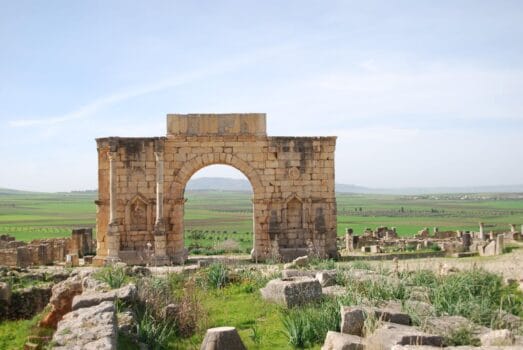
Photo by Janeth Charris via Pexels
Bringing New Life to Historic Places
Morocco is preparing a cultural initiative that blends preservation, hospitality, and visitor comfort: opening cafés and restaurants inside 12 historic heritage sites. Carefully selected for their architectural, historical, and symbolic value, these locations will offer visitors a new way to experience the country’s past, not by rushing through monuments, but by taking time to enjoy them.
Where History Meets Modern Hospitality
The sites concerned represent some of the Kingdom’s most remarkable landmarks: Lixus, Volubilis, the Pavillon de la Ménara, the ruins of El Badii Palace, Villa Perdicaris in Tangier, the Sqala of Essaouira, the Kasbah of Chefchaouen, the Sidi El Mendri monument in Tetouan, Borj Cheikh Ahmed in Fes, the prehistoric site of Sidi Abderrahmane in Casablanca, the Marrakech silos, and Borj Dmoua in Salé.
Each of these locations carries a unique narrative and atmosphere. The aim is not to commercialize heritage, but to introduce carefully designed social spaces where architecture, culture, and hospitality coexist.
A New Way to Experience Moroccan Heritage
The concept focuses on reactivating monuments from within. Cafés and restaurants will be integrated with respect for historical integrity, using controlled materials, discreet layouts, and guidelines that protect the authenticity of each site.
More than dining spaces, these areas will become places for reflection and exploration, where visitors can slow down, appreciate the environment, and build a deeper connection with the monument they are visiting.
Heritage Activation and Local Development
By enhancing comfort and visitor flow, Morocco aims to extend the cultural experience while supporting local economies. These new spaces are expected to contribute to:
- Increased time spent at heritage sites
- Job creation and local cultural development
- Environmental and architectural preservation through regulated installations
- A more engaging and accessible heritage journey
This initiative follows a global trend toward turning historical sites into living cultural environments, not static landmarks.
A Fresh Vision for Cultural Tourism
As cultural tourism continues to grow, Morocco is shaping a modern approach to heritage, one that respects the past while enriching the present. By transforming selected monuments into welcoming spaces, the country opens a new chapter in how visitors experience its history.
Related:
- Cycling Tourism in Morocco, Complete Guide to Routes, Tips & Cultural Discovery
- Morocco’s Tourism Project Bank: A New Pathway to Unlock Investment Across 60 Provinces
- Why an eSIM Makes Your Morocco Journey Easier
- The Smells of Morocco: Markets, Spices, and Memory-Rich Streets
- Night in Marrakesh: Sounds, Street Performers, and Midnight Tea Ritual