Photo By Michael Starkie From Unsplash
Morocco offers landscapes that photographers chase, architecture that historians admire, and rhythms that musicians love to study. Yet the country’s most enduring signature is often invisible: its scent. Aromas drift through medinas, mountaintop villages, and coastal alleyways, creating impressions that linger longer than sunsets or souvenirs. Travelers speak about Morocco’s smell as if it were a story, layered, warm, bold, mysterious, and deeply tied to memory.
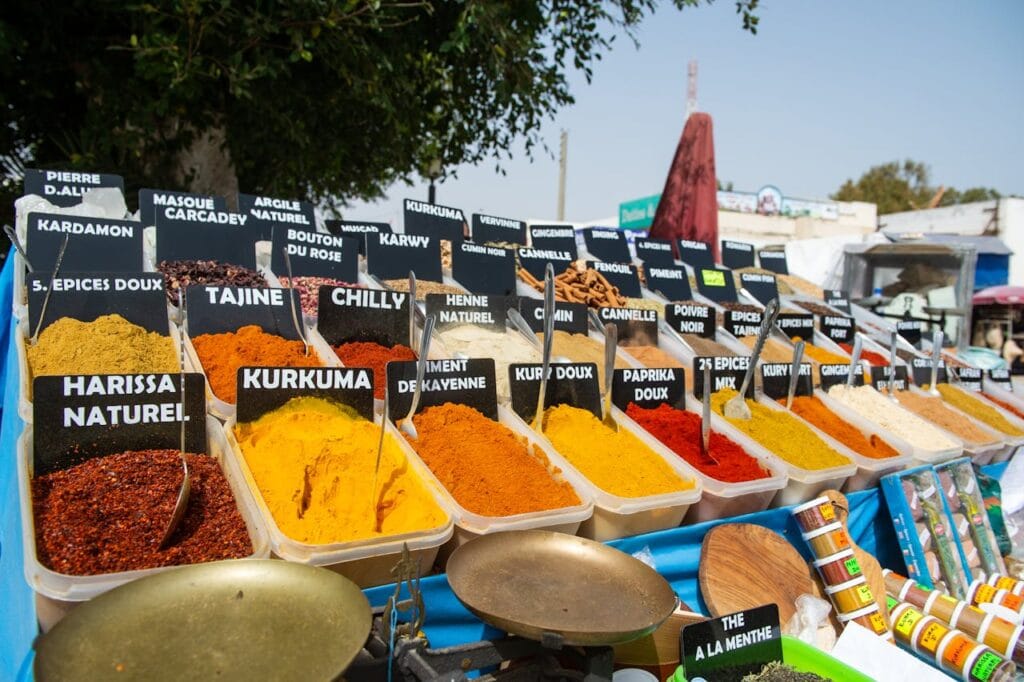
MoroccoBeat takes a deeper look at the sensory world that surrounds Morocco’s cities, markets, and everyday rituals. Scents form an emotional bridge between traveler and place, making Morocco’s identity even more magnetic as the country steps toward World Cup 2030.
Inside Morocco’s Markets: Where Spices Shape the Air and the Imagination
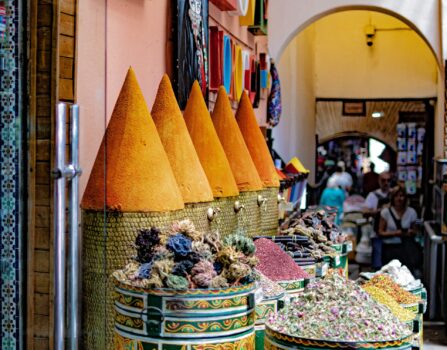
A Moroccan market introduces itself long before its colours come into view. Souks in Marrakech, Fez, and Rabat often greet visitors with the smell of cumin rising from woven baskets while saffron hides behind jars that glow under warm lights. The aroma is not aggressive; it builds slowly, guiding each step toward stalls that transform the air into a tapestry of scents.
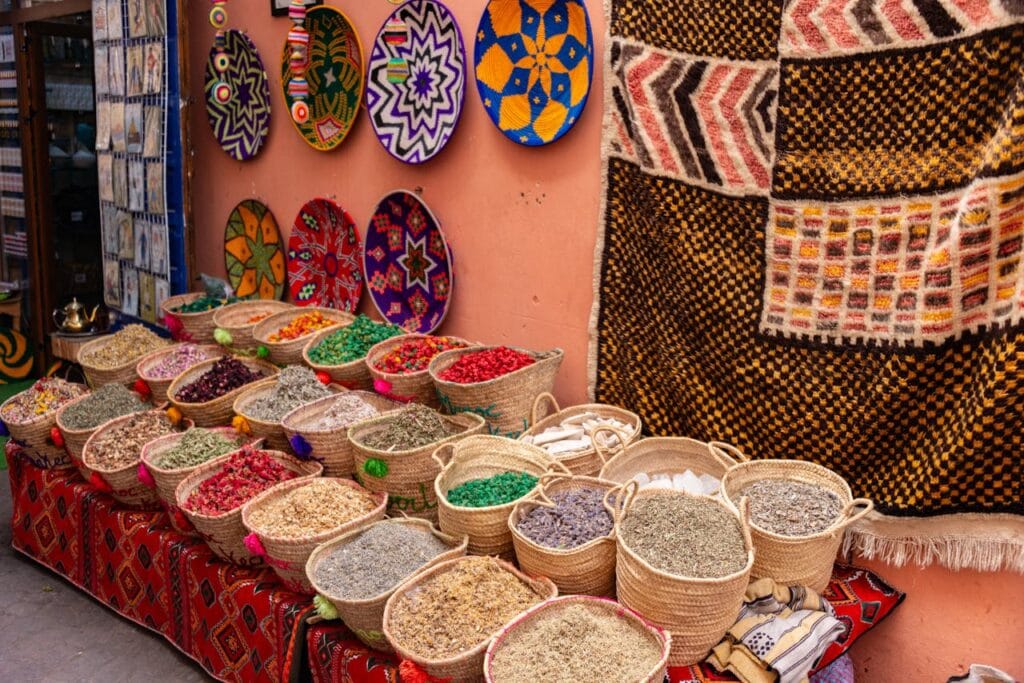
In Marrakech’s historic medina, the spice square feels like an open-air classroom devoted to aroma. Vendors grind herbs by hand, creating a scent trail that floats above the crowd. Once a traveler enters this space, they notice that each spice communicates a story. Turmeric speaks about family dishes that take hours to prepare, while cinnamon hints at desserts shaped by holidays and inherited traditions. Ras el hanout, the famous spice blend, carries multiple identities at once, revealing a vendor’s personality through the ingredients he uses.
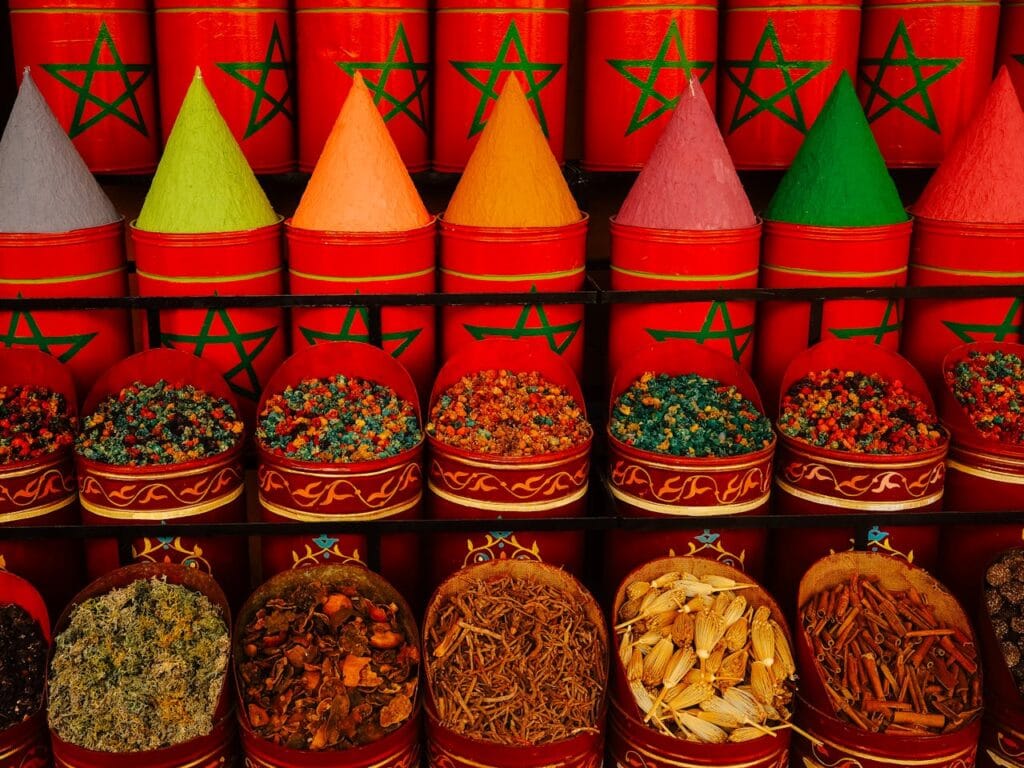
Fez, with its centuries-old souks, builds its own aromatic identity. Aromas rise from cedarwood that carpenters shave into smooth surfaces, from mint arranged in tall green bundles at street corners, and from the earthy smell of bread leaving communal ovens. Markets in Fez rely on their scents to describe the city’s character, proving that fragrance becomes a cultural language long before words begin.
Essaouira shifts the mood again. The sea mixes with the scent of thuya wood used by local artisans, creating a balance between nature and craftsmanship. Spice shops near the port add layers of paprika, dried coriander, and anise that blend naturally with the Atlantic breeze. Visitors often explain that the city smells like a place built on both creativity and calm.
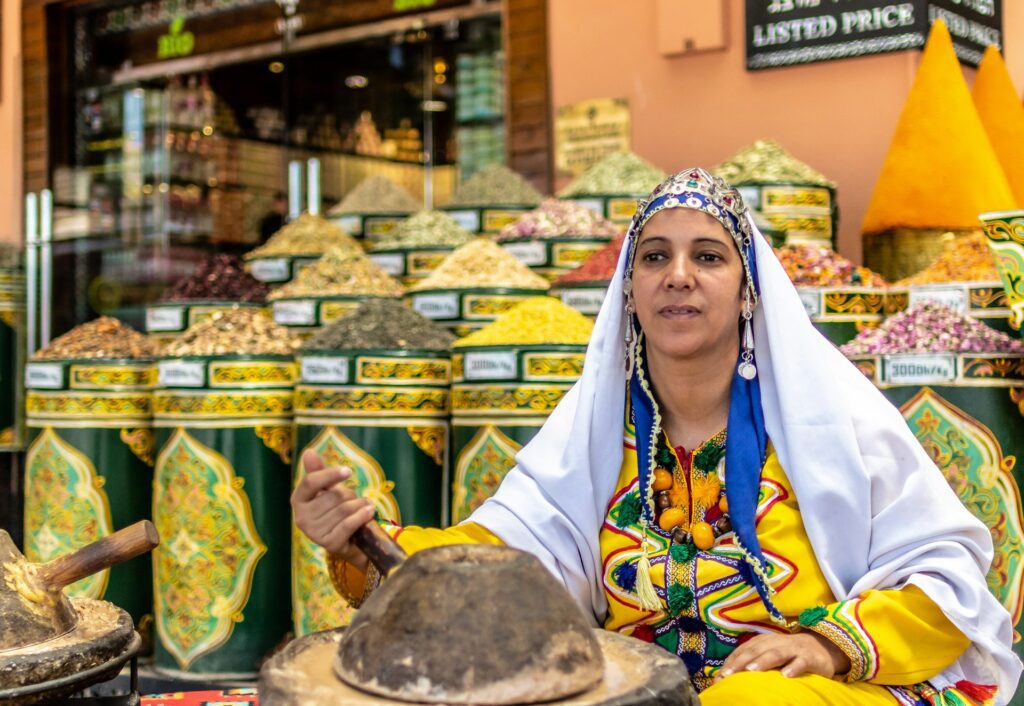
Markets across Morocco work as open diaries, recording daily life through scent. Aromas guide travelers toward curiosity, and curiosity becomes the heart of a memorable journey.
Bread Ovens, Tea Steam, and Morning Routines: The Aroma of Daily Life
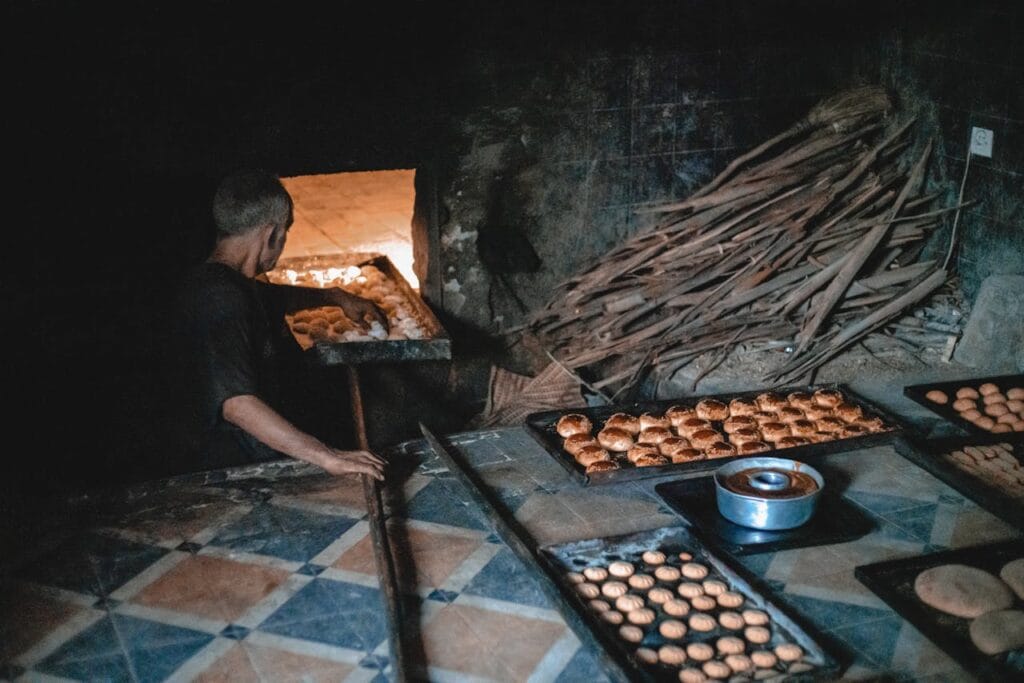
Outside the markets, Morocco’s mornings create their own atmosphere. Before sunrise, bakeries warm up and fill neighborhoods with the smell of fresh khobz slowly turning golden. The aroma spreads through medina streets, mixing with mint from early tea preparations. Life begins quietly, and these scents provide the first sign that the day is moving.
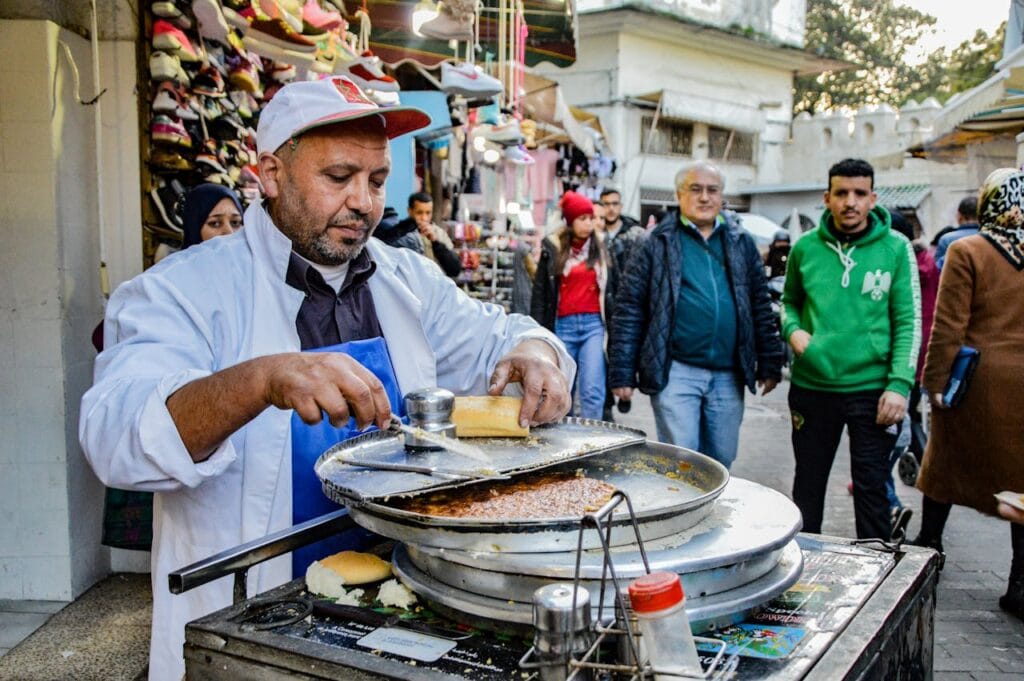
In smaller towns like Chefchaouen or Azrou, morning smells carry a rustic charm. Wood-burning stoves release a gentle smokiness, reminding visitors of the mountain atmosphere that defines these regions. Farmers’ markets add earthy notes coming from vegetables still covered in traces of soil. Every smell underscores the simplicity and sincerity of rural Morocco.
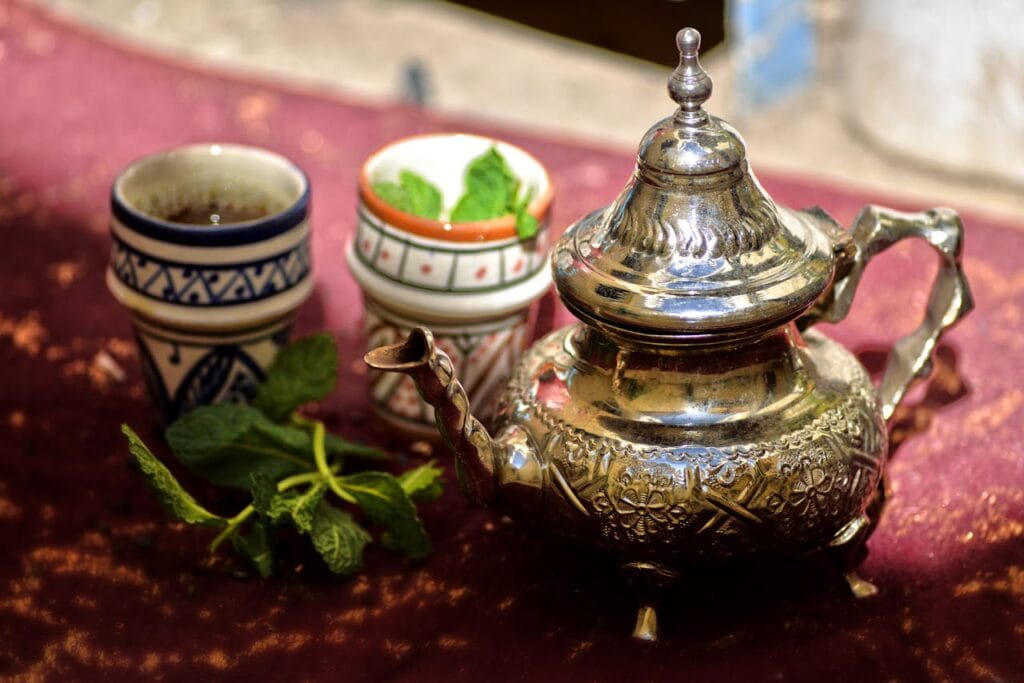
Urban areas bring a different rhythm. Casablanca’s mornings mix the smell of street cafés with the ocean’s salty breeze, creating an aroma shaped by modern life and coastal energy. Tangier adds a maritime touch too, but its cafés often fill the air with the scent of grilled bread and strong black coffee. Each city creates a sensory rhythm unique to its geography.
These aromas matter because they show how Morocco’s everyday routines connect with its cultural identity. Travelers experience this from the moment they step outside their accommodation. Scents guide their expectations, set the mood for their itinerary, and create emotional memories they carry long after their trip ends.
The Invisible Architecture of Streets: Pathways Built by Smell
Morocco’s cities rely on scent as a silent guide. Travelers often say that a city’s smells help them navigate even better than maps. Each district carries its own aromatic signature: cedarwork near artisan quarters, leather in tanneries, fresh pastries near bakeries, and jasmine in residential neighborhoods where gardens spill over tiled courtyards.
In Marrakech’s Kasbah district, the smell of incense often floats between narrow alleys ahead of religious gatherings or community events. The medina’s evening atmosphere shifts again when food vendors prepare grilled brochettes, creating a smoky sweetness that signals the start of the night market.
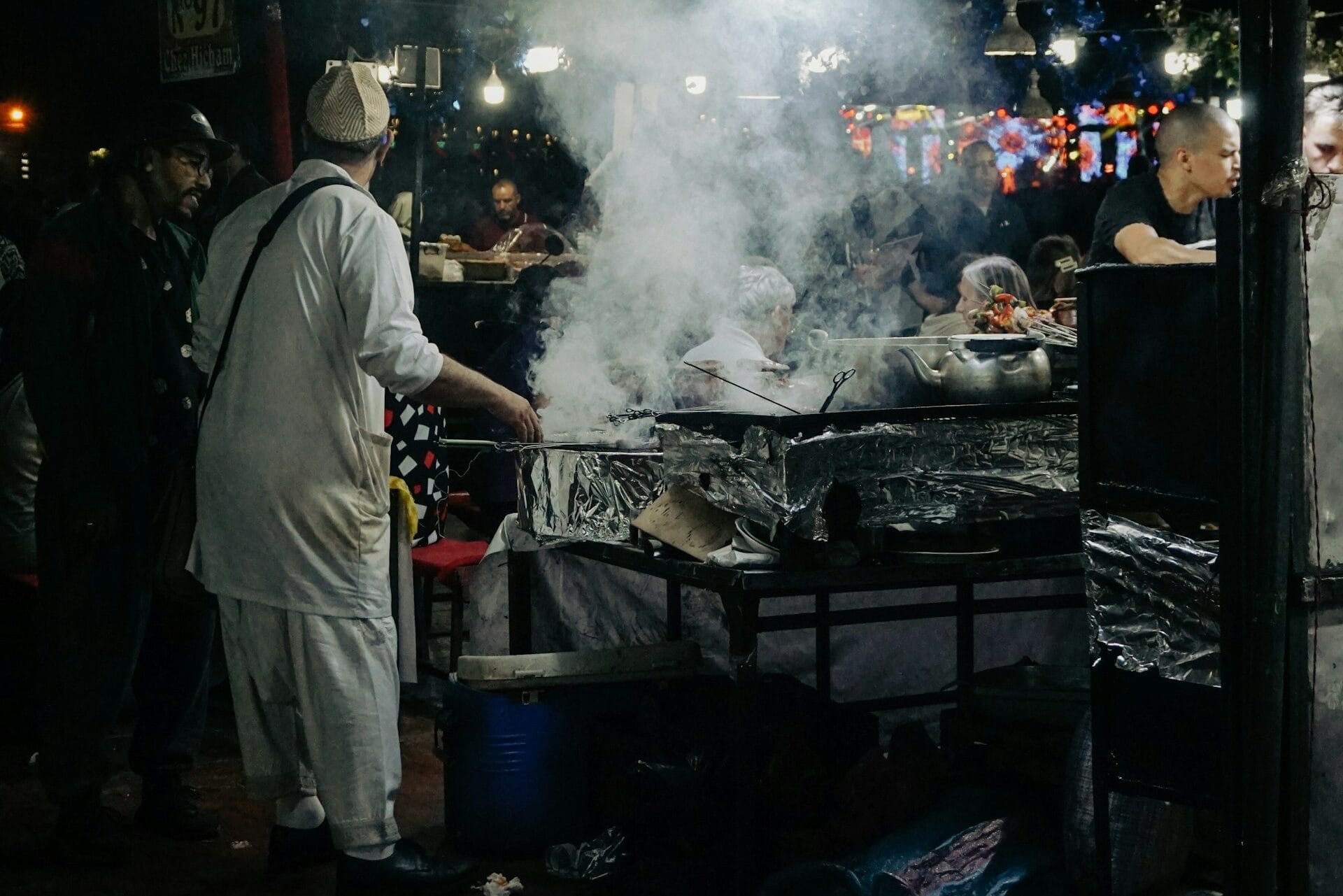
Fez produces what many visitors describe as a “layered scent map.” Artisan areas smell like wood, wool, and natural dyes. Food markets add freshness from herbs, dates, figs, and oranges. Hammams release eucalyptus steam into the air, announcing the presence of places dedicated to well-being. Even the sound of running water in fountains seems to complement these fragrances, turning the medina into a living sensory mosaic.
Essaouira’s streets tell a different story. Their long, straight alleys allow winds to carry ocean smells far into the medina. The city’s aroma shifts between salty air, grilled sardines, and the warm fragrance of pastries made with almonds and honey. Travelers feel that the city edits its scents with the same precision that artists use when carving thuya wood.
Street smells act as part of Morocco’s invisible architecture, a design element shaped not by stone or tile, but by heritage, climate, and community activity.
Mint, Orange Blossom, and Rose: The Scents That Define Moroccan Hospitality
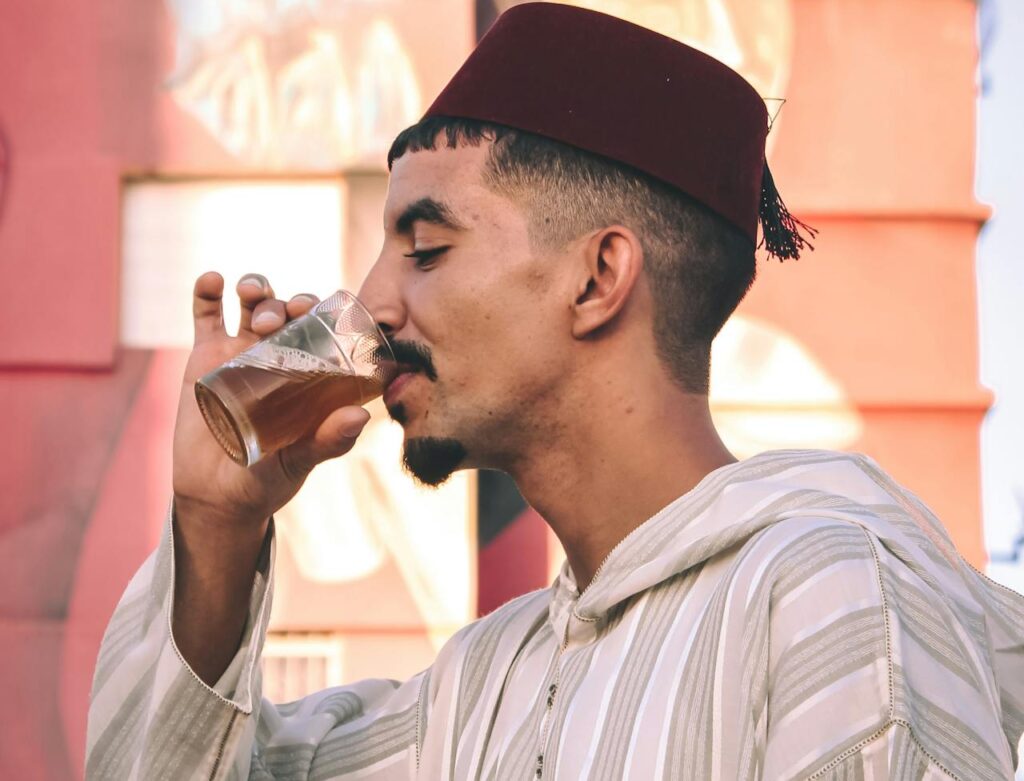
Hospitality plays a crucial role in Moroccan culture, and its scents elevate this experience. Mint tea provides the most iconic aroma. Fresh mint leaves fill the air the moment they touch boiling water, transforming a simple drink into a symbol of welcome. The smell sets the tone for conversation, making visitors feel embraced by warmth and generosity.
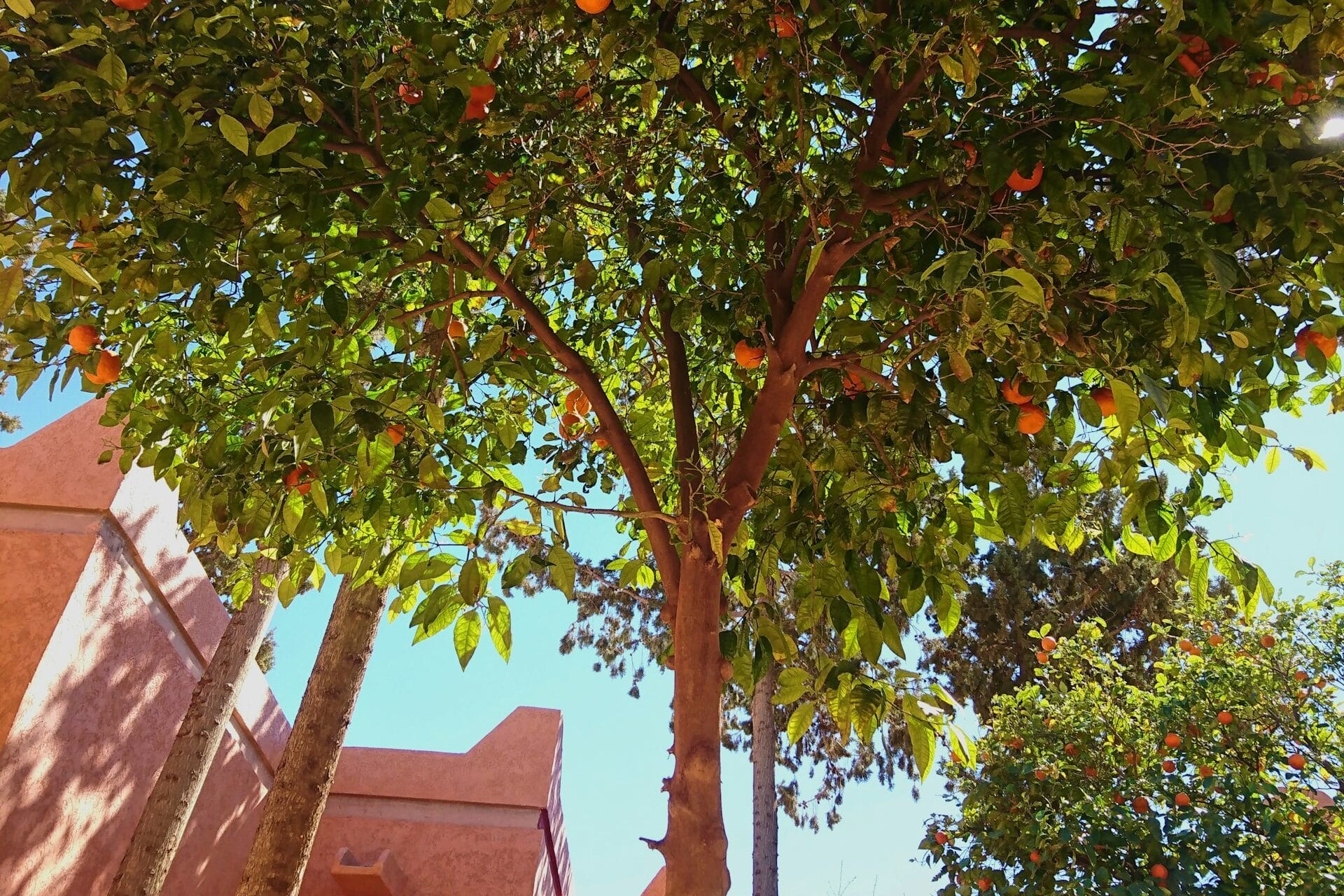
Orange blossom also carries deep cultural meaning. In cities like Fez and Meknes, families use it during celebrations, culinary preparations, and even moments of rest. The aroma offers comfort and serenity, adding elegance to rituals and gatherings. Rosewater plays a similar role, especially in the south. It perfumes pastries, cools the skin, and adds refinement to family traditions.
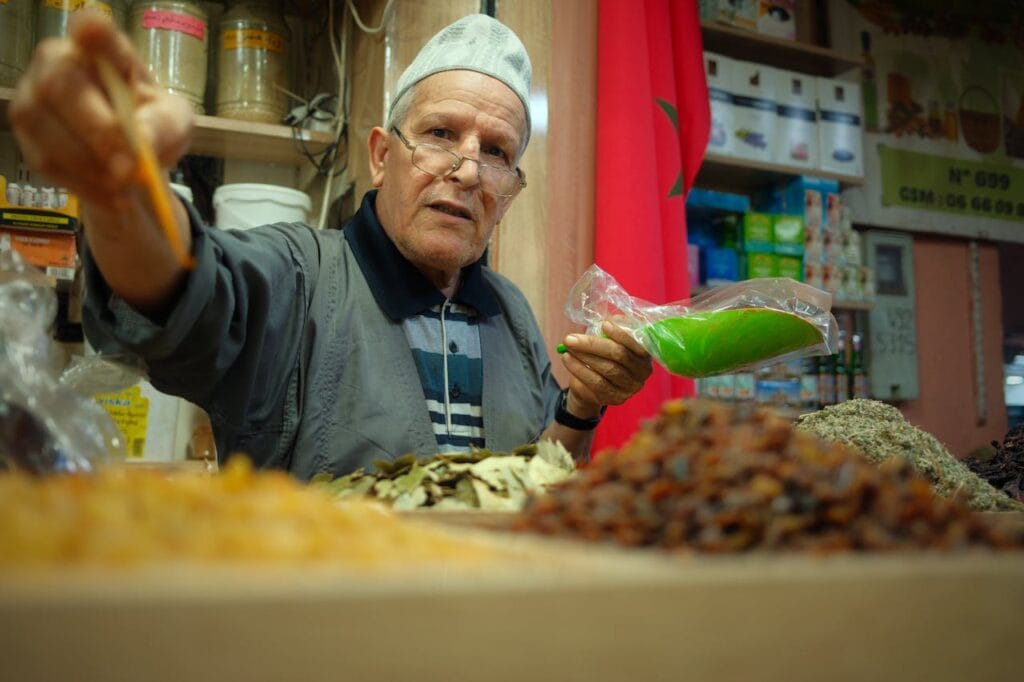
Musk and oud appear in perfume shops across the country. Their deep aromas reflect Morocco’s connection to trade routes that linked Africa, the Middle East, and Europe for centuries. These scents give visitors a glimpse into ancient commerce and craftsmanship while offering modern interpretations through artisanal blends.
Hospitality in Morocco engages all senses, and scent takes the lead. It tells guests they have entered a home that values warmth, respect, and connection.
Hammams and Wellness Rituals: A Cultural World Built Through Aroma
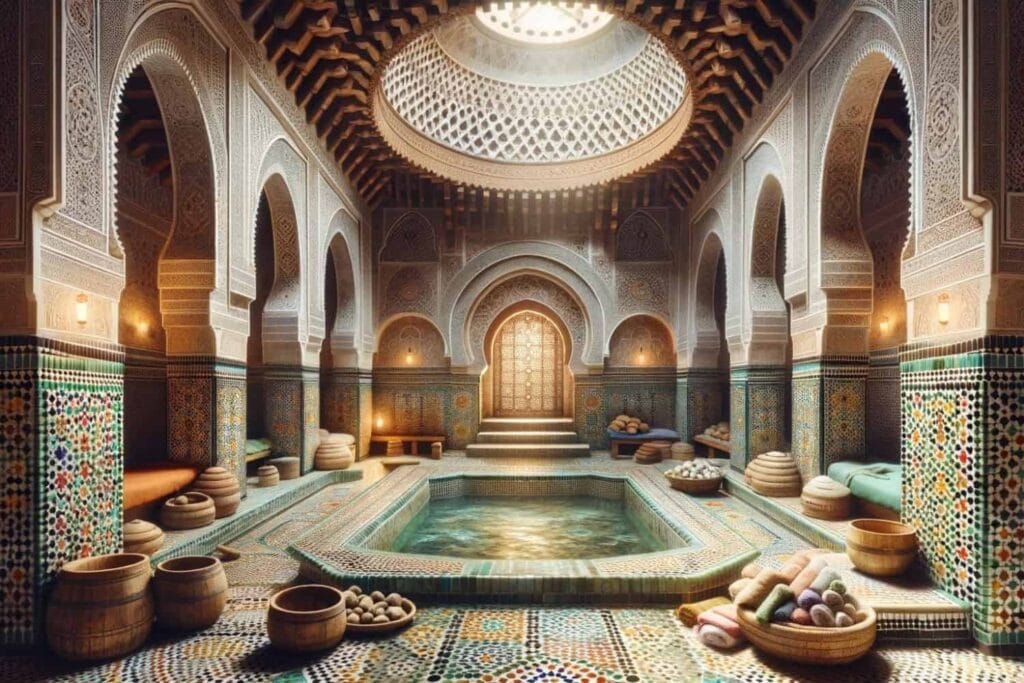
Hammams use scent as part of their healing process. Traditional black soap releases an olive-based aroma that prepares the skin for exfoliation. Eucalyptus fills the steam rooms, clearing the air and offering a refreshing sensation as heat intensifies. Clay masks like ghassoul add earthy tones that reflect Morocco’s natural landscape.
These scents build an atmosphere of restoration. Travelers often describe hammams as sensory sanctuaries—spaces where time slows down and where the aroma becomes as important as the treatment itself. Wellness rituals show how Morocco intertwines fragrance with physical comfort, offering visitors a cultural experience that blends heritage with care.
Coastal Breezes, Desert Nights, and Mountain Forests: Morocco’s Natural Scentscapes
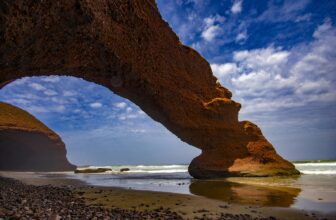
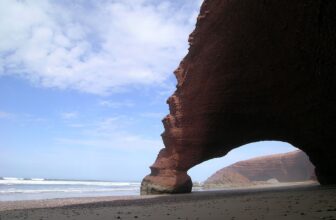
Morocco’s geography produces contrasting scent identities. On the coast, the Atlantic shapes the air. Essaouira and Agadir provide marine freshness that mixes with grilled seafood, while Tangier adds a crisp Mediterranean breeze.
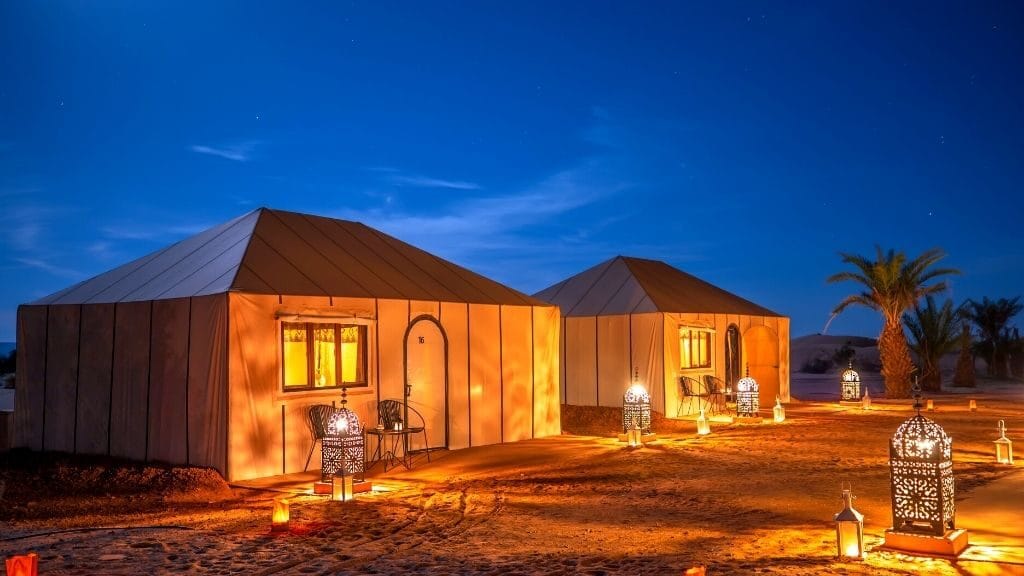
Credits: 24camels Morocco Luxury Tours
In the desert, nighttime creates cooler air filled with subtle earthy notes. Sand releases warmth accumulated during the day, and campfires add a smoky aroma that travelers associate with storytelling, music, and shared meals under the stars. Marrakesh’s outskirts blend desert scents with orchards of olives and citrus trees.
The Atlas Mountains build a completely different environment. Cedar forests near Ifrane and Azrou carry crisp, woody aromas that feel refreshing and clean. Villages smell of pine, fresh air, and fireplaces. The mountain climate intensifies every scent, creating a soothing and grounding atmosphere.
These natural scentscapes show Morocco’s ecological diversity and the emotional impact that comes from experiencing the country beyond its cities.
How Scents Shape Morocco’s Tourism Identity Ahead of 2030
Morocco’s tourism strategy increasingly highlights authentic experiences that go beyond sightseeing. Scents help express that authenticity. As the country prepares for World Cup 2030, markets, culinary tours, hammam rituals, and artisan workshops are gaining relevance in the travel industry. Aromas make each experience more immersive, creating memories that visitors share through stories more than photographs.
Travelers tend to remember how a country made them feel. Morocco’s scents provide an emotional anchor that makes every trip personal. They guide visitors through bustling souks, mountain villages, and beachfront promenades while revealing the richness of Moroccan culture. Aromas connect the country’s heritage with its future, adding depth to the experience of exploring Morocco during major global events.
The Future of Morocco’s Scent Narrative: Sustainability, Artisanship, and Tourism Growth
Scent-focused tourism continues to grow. Artisanal perfumers in Marrakech are creating new blends inspired by regional identity. Organic cooperatives in the south produce rosewater and essential oils using sustainable harvesting methods. In towns near the Atlas Mountains, cedar and wild herbs encourage eco-friendly product lines that attract visitors interested in natural wellness.
These developments show how Morocco’s aromas are becoming part of the country’s modern tourism narrative. Scent contributes to Morocco’s brand, warm, layered, diverse, and rooted in heritage. As visitors discover new experiences connected to fragrance, they build a deeper connection with the country.
Conclusion: Morocco Through the Sense of Smell
Morocco’s beauty does not depend solely on what the eyes see. It thrives in the invisible world of scent. Aromas move through medinas, markets, and nature with a rhythm shaped by tradition and daily life. Spices carry history, bread ovens release comfort, and coastal winds spread freshness across cities. Together, they define the Moroccan atmosphere that travelers remember for years.
As Morocco prepares for global events and welcomes millions of visitors, its scents remain one of its most powerful ambassadors. They offer emotional depth, cultural insight, and a timeless connection between traveler and place. Scents turn Morocco into an experience that begins in the streets and stays in the memory long after the journey ends.
Related:
- Meknès Revisited: Imperial Calm Between Fès and Volubilis
- Night in Marrakesh: Sounds, Street Performers, and Midnight Tea Rituals
- At the Gates of the Sahara: Festival Zamane Makes the Desert Pulse
- Gueliz vs. the Old Medina: Where Marrakech’s Heart Beats Louder
- Jemaa el-Fna: The Beating Heart of Marrakech