Why Morocco Has a Strong Case
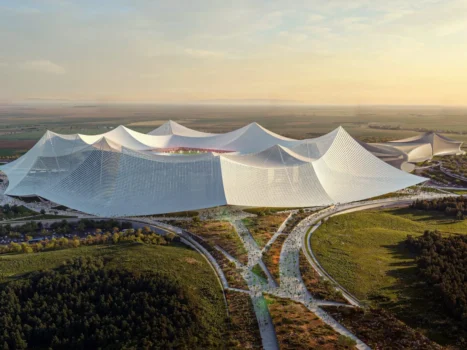
The biggest advantage for Morocco is the ambitious Hassan II Stadium project near Casablanca. The stadium is expected to accommodate around 115,000 spectators, giving Morocco a major advantage in terms of capacity.
The size of the venue would make it one of the most impressive stadiums ever used for a World Cup final and would provide Morocco with a strong argument in its bid to host the tournament’s biggest match.
Morocco’s Official Position
Moroccan Football Federation president Fouzi Lekjaa has publicly stated that Benslimane will host the 2030 World Cup final. His comments underline Morocco’s confidence in its ability to secure the prestigious match.
Nevertheless, this should not be interpreted as a final FIFA decision. The world football governing body has indicated that the choice of venue for the final has not yet been officially settled.
Spain Is Morocco’s Main Rival
Morocco faces strong competition from Spain, another host nation for the 2030 World Cup. Spanish officials have expressed their ambition to stage the final, with major venues such as the Santiago Bernabéu and Camp Nou among the potential candidates.
Spain has an important advantage in its existing football infrastructure and experience hosting major international sporting events. Morocco, meanwhile, can counter with its new stadium projects and the scale of its investment in World Cup infrastructure.
Could the Hassan II Stadium Be the Decisive Factor?
Capacity could play an important role in Morocco’s campaign. With a planned capacity of approximately 115,000, the Hassan II Stadium would offer a larger venue than the principal Spanish options currently discussed for the final.
But stadium capacity alone is unlikely to determine FIFA’s decision. Venue readiness, transport infrastructure, accommodation, security, logistics and the overall organization of the tournament will also be important considerations.
What Are Morocco’s Chances?
At this stage, Morocco can reasonably be described as a strong contender rather than a confirmed host. The Hassan II Stadium gives the country a powerful argument, while the Moroccan federation’s public confidence suggests that the bid is being actively pursued.
However, Spain remains a formidable rival, and FIFA has not officially awarded the final to either country.
When Will FIFA Make the Final Decision?
The final venue will ultimately be decided by FIFA. Until an official announcement is made, reports and statements about Morocco hosting the final should be treated as indications of a bid rather than confirmation of the outcome.
Bottom Line
Morocco has a genuine chance of hosting the 2030 World Cup final. The planned Hassan II Stadium, its exceptional capacity and Morocco’s broader investment in World Cup infrastructure strengthen the country’s position.
Still, the race is not over. Spain has major venues and strong organizational credentials, while FIFA has yet to make the final call. For now, the Hassan II Stadium remains one of the most compelling candidates to host the biggest game of the 2030 World Cup.
Frequently Asked Questions
Will Morocco host the 2030 World Cup final?
It has not been officially confirmed by FIFA yet. Morocco is a strong candidate, with the Hassan II Stadium in Benslimane as its main proposal.
Where will the Hassan II Stadium be located?
The planned stadium will be located in Benslimane, near Casablanca, Morocco.
How many fans will the Hassan II Stadium hold?
The stadium is planned to have a capacity of approximately 115,000 spectators.
Who is competing with Morocco to host the final?
Spain is Morocco’s main rival for the final, with venues including the Santiago Bernabéu and Camp Nou among the potential options.