Photo by Earth Photart via Pexels
According to an in-depth analysis published by Le Figaro, the Africa Cup of Nations 2025 is serving as a real-world stress test for Morocco’s tourism and event-hosting strategy, well ahead of the 2030 FIFA World Cup.
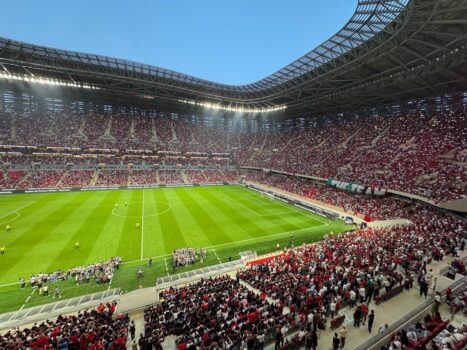
Since the start of the competition on 21 December 2025, the Kingdom has become the focal point of African football. Packed stadiums, travelling supporters, and sustained international attention have turned the tournament into a showcase of Morocco’s ability to manage large visitor flows while promoting itself as a leading global destination.
A Tourism Boost Extending Beyond Host Cities
In 2025, Morocco recorded nearly 20 million tourist arrivals, a historic high according to official figures. AFCON 2025 has reinforced this momentum far beyond host cities such as Rabat, Tanger, and Fes. Tourist activity has increased even in non-host destinations like Chefchaouen and Ouarzazate, illustrating the spillover effect of the tournament.
Visitors are not limiting their stays to match days. Many extend their trips, move between cities, and explore cultural, natural, and gastronomic sites, confirming the role of sport as a driver of broader territorial discovery.
Infrastructure, Air Travel, and Hotels Tested Ahead of 2030
AFCON 2025 has also put Morocco’s infrastructure to the test. Nearly €1.8 billion has been invested in building and renovating stadiums, including the upgraded Prince Moulay Abdellah Stadium, while a 115,000-seat stadium in Benslimane is planned for completion by 2028.
Air connectivity has expanded significantly, with capacity to Morocco up by nearly 30% year-on-year, supported by new routes linking regional European cities to hubs such as Marrakech and Agadir. At the same time, the country has accelerated the upgrading of its hotel stock, adding more than 43,000 beds in 2025, with over half now in the 4- and 5-star category.
Described as the most commercially successful edition in AFCON history, the tournament confirms Morocco’s long-term strategy: using major sporting events as a catalyst for tourism growth, international visibility, and readiness for the global stage in 2030.
Related:
- Morocco’s Tourism Sector Sets New Records in an Exceptional Year, Driven by Strong Growth from China
- Morocco’s Atlas Mountains in Winter: What to Know
- Morocco Records 29% Growth in Russian Tourist Travel in 2025, Ranks Among Fastest-Growing Destinations
- AFCON 2025: How Morocco Elevated African Football to FIFA Standards
- AFCON Morocco 2025, the Best Edition Ever – Says CAF President Patrice Motsepe
Source: Le Figaro