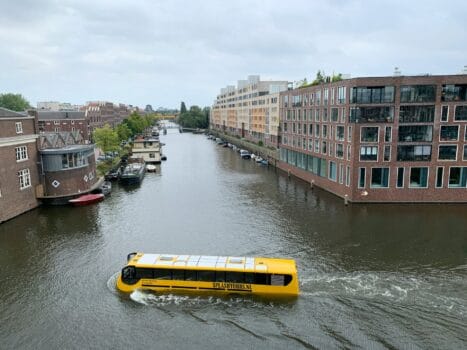
Photo by Christian ter Maat / Unsplash
The Moroccan capital may soon offer one of Africa’s most unique tourism experiences, traveling from city streets straight into the Bouregreg River. The city of Rabat has officially launched a public tender for two amphibious tourist buses, confirming that the plan is more than just a rumor. (MoroccoTenders)
A Tender That Makes It Official
On October 29, 2025, Rabat Région Mobilité, the public company responsible for urban transport projects, published a call for bids for the “acquisition and maintenance of amphibious buses for the city of Rabat.”
According to TenderImpulse, a well-known international procurement portal, the tender outlines the purchase of two diesel-powered buses capable of operating both on land and water. The bid submission deadline is set for December 9, 2025, signaling that the project is still in its administrative phase.
Innovation Meets Tourism
If implemented, the project would make Rabat the first Moroccan city to introduce amphibious transport, a blend of sightseeing and innovation. These buses would navigate key urban routes before gliding onto the Bouregreg River, linking Rabat and Salé through an immersive tourist experience.
Morocco Tender report an estimated budget of 23 million dirhams for the initiative.
Still in Progress, Not Yet on the Water
Despite its official launch, the project remains in planning stages. There are no verified reports of operational buses yet, and environmental concerns about diesel use have sparked early debate.
This initiative fits into Morocco’s broader national mobility strategy, highlighted by the Interior Ministry’s 2025 programme to renew urban fleets nationwide (Morocco World News, June 2025).
A Broader Vision for Morocco’s Global Stage
This project also fits within Morocco’s wider momentum ahead of AFCON 2025 and the 2030 World Cup. As Rabat and other host cities invest in new transport systems, the capital’s amphibious buses symbolize the country’s push to showcase not only its football infrastructure but also its creativity, sustainability, and readiness to welcome the world.
Related:
- Rabat Ranks 5th on National Geographic’s “Best of the World 2026” List
- Fès welcomes new urban buses as Morocco renews its mobility vision
- The Gibraltar Tunnel: How Morocco and Spain Are Quietly Reimagining the Map Between Continents
- A Promise on the Tracks: Morocco’s Journey Toward 2030 Begins with Rails