As the Kingdom of Morocco prepares to host a series of monumental sporting events, from the 2025 Africa Cup of Nations (AFCON) to the historic co-hosting of the 2030 FIFA World Cup alongside Spain and Portugal, its aviation sector is undergoing a remarkable transformation. Indeed, billions of dirhams are being invested in airport infrastructure and fleet expansion, positioning air transport as a central pillar in a strategy designed not only to welcome the world but also to leave a lasting economic and social legacy. Thus, the period from 2025 to 2030 is not just about sports; it serves as a catalyst to propel Morocco into a new era of global connectivity and tourism.
Massive Investments to Double Capacity
At the heart of this ambitious vision is an impressive MAD 38 billion investment (approximately $4.2 billion) led by the Moroccan Airports Authority (ONDA). The primary goal is to more than double the national airport capacity, increasing from around 30 million passengers annually to 80 million by 2030. This proactive expansion is crucial to accommodate the massive influx of fans, teams, and media expected for the upcoming tournaments.
The Twin Pillars: AFCON 2025 and FIFA World Cup 2030
In the short term, attention is focused on AFCON 2025, which will serve as a dress rehearsal for the decade’s grand event. Accordingly, stadiums in key cities such as Rabat, Casablanca, Marrakech, Agadir, Tangier, and Fes are already undergoing significant renovations. At the same time, these host cities are seeing their airports transformed into modern, high-capacity gateways.
However, the real game-changer is the 2030 FIFA World Cup. As the first-ever cross-continental host, Morocco is leveraging the event to trigger a nationwide infrastructure overhaul. The success of this global spectacle depends on the smooth movement of millions of international visitors, making Morocco’s airports the frontline of its organizational expertise.
Airport Modernization: Laying the Foundation for Success
ONDA’s “Airports 2030” strategy is a carefully planned response to this challenge. Key projects include:
Mohammed V Airport, Casablanca (CMN): Morocco’s primary hub will receive a state-of-the-art terminal and an additional runway, solidifying its role as a key transit point connecting Africa, Europe, and the Americas.
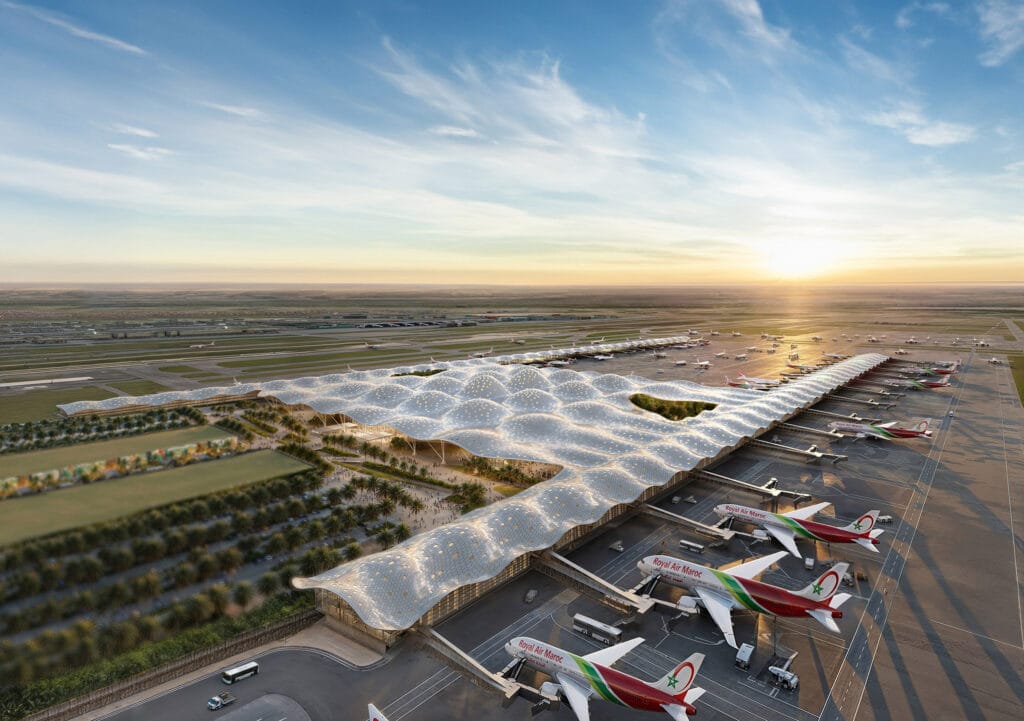
Marrakech-Menara Airport (RAK): As a vital tourism hub, Marrakech’s airport is undergoing major expansion to handle more passengers, ensuring a smooth welcome for fans traveling to one of the World Cup’s key venues.
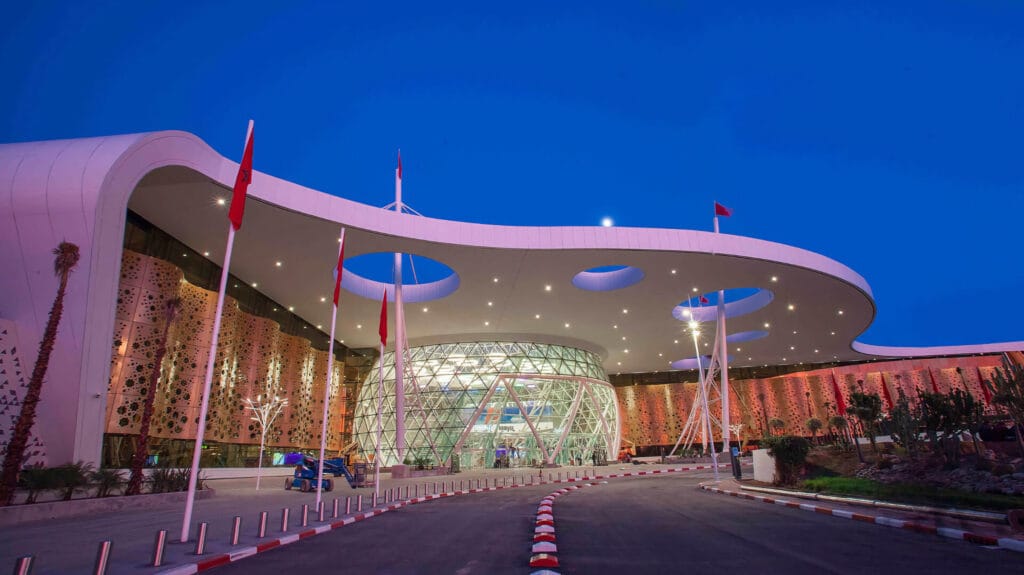
Other Host Cities: Airports in Agadir (AGA), Tangier (TNG), Fes (FEZ), and Rabat-Salé (RBA) are also undergoing modernization, including terminal expansions and service upgrades to meet FIFA’s international standards.
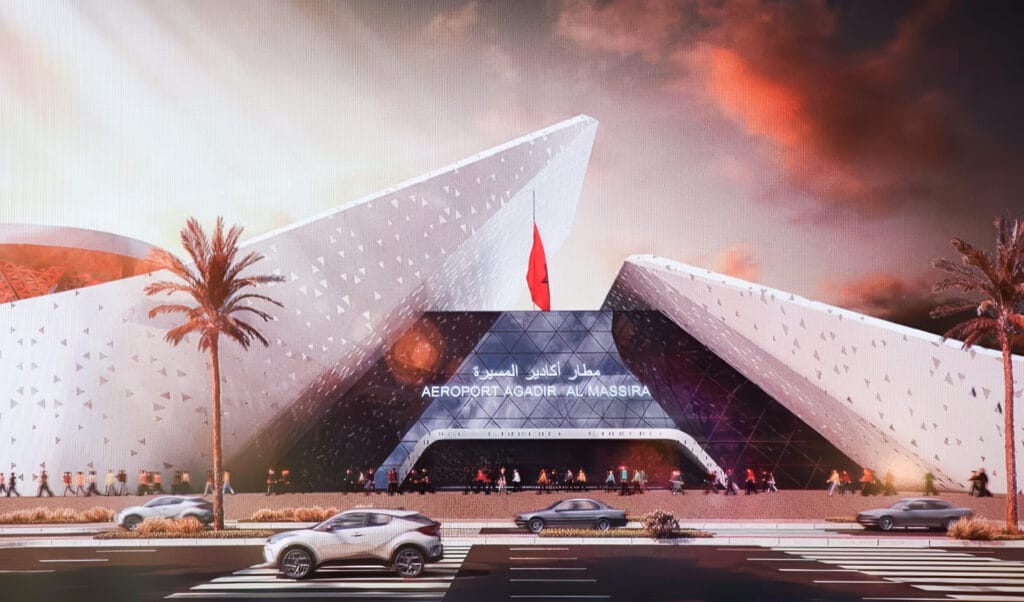
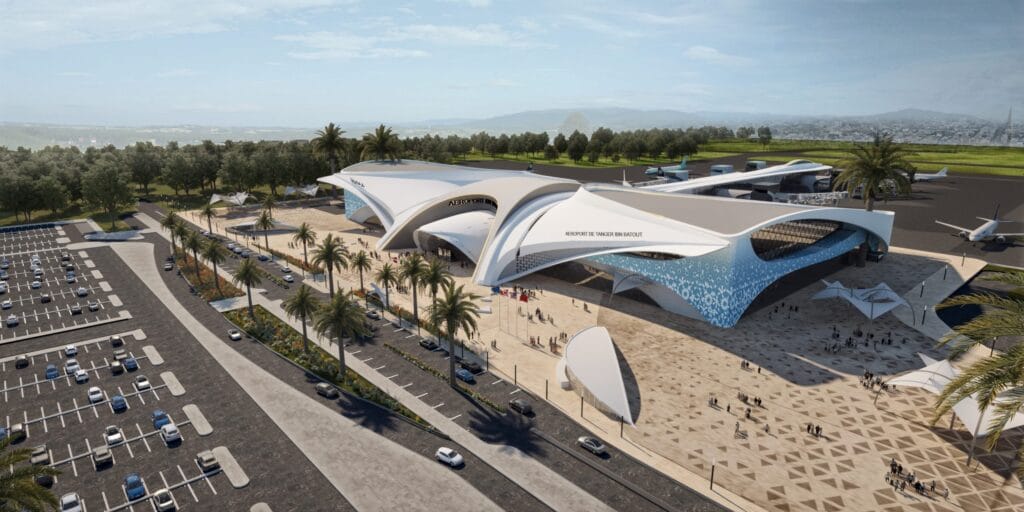
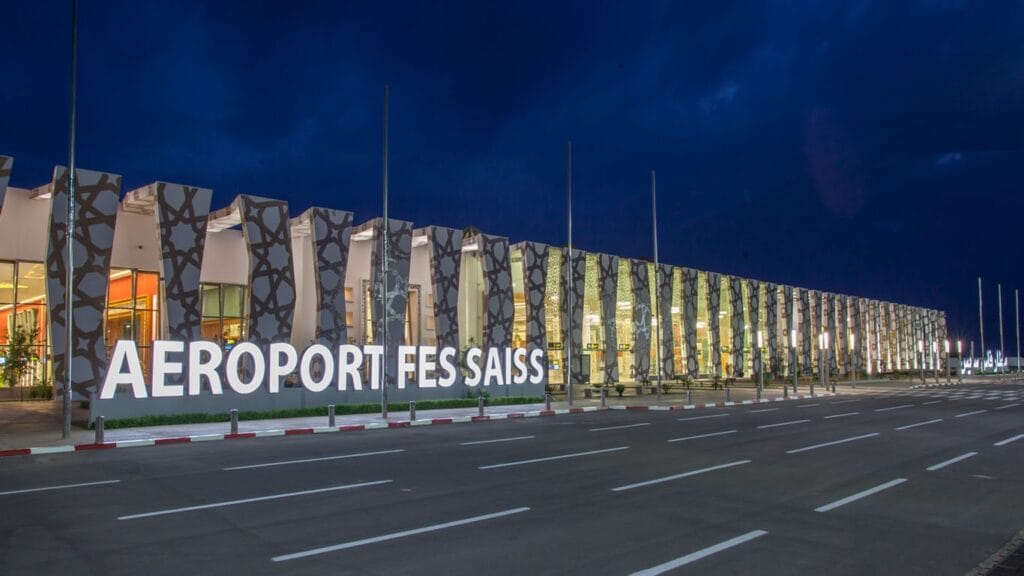
In parallel, this infrastructure development directly supports Morocco’s broader economic goals, particularly in tourism, with an aim to attract 26 million visitors annually by 2030. In this sense, the World Cup acts as a powerful accelerator for this vision.
Royal Air Maroc: Flying the National Ambition
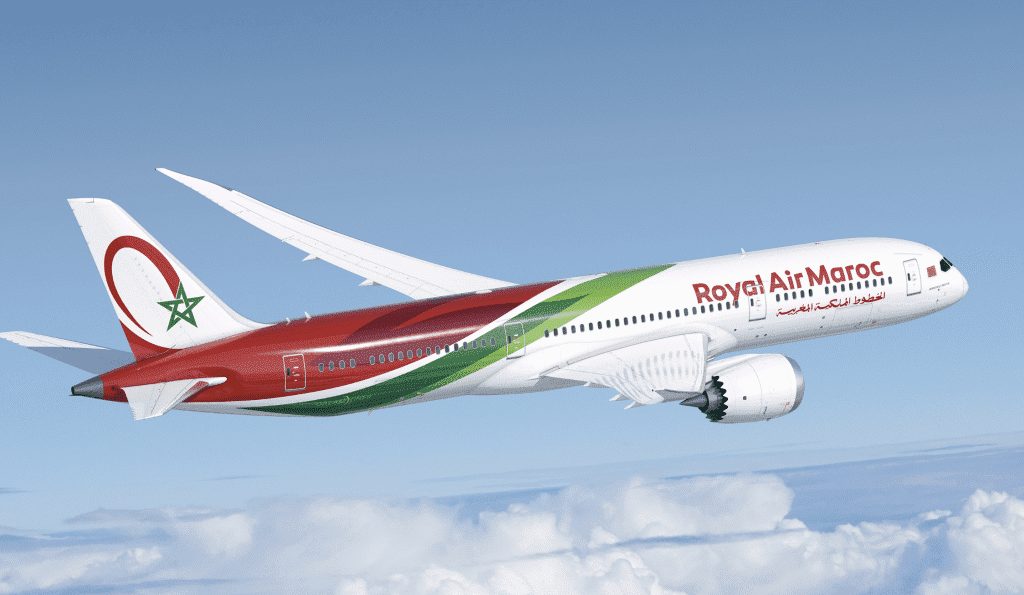
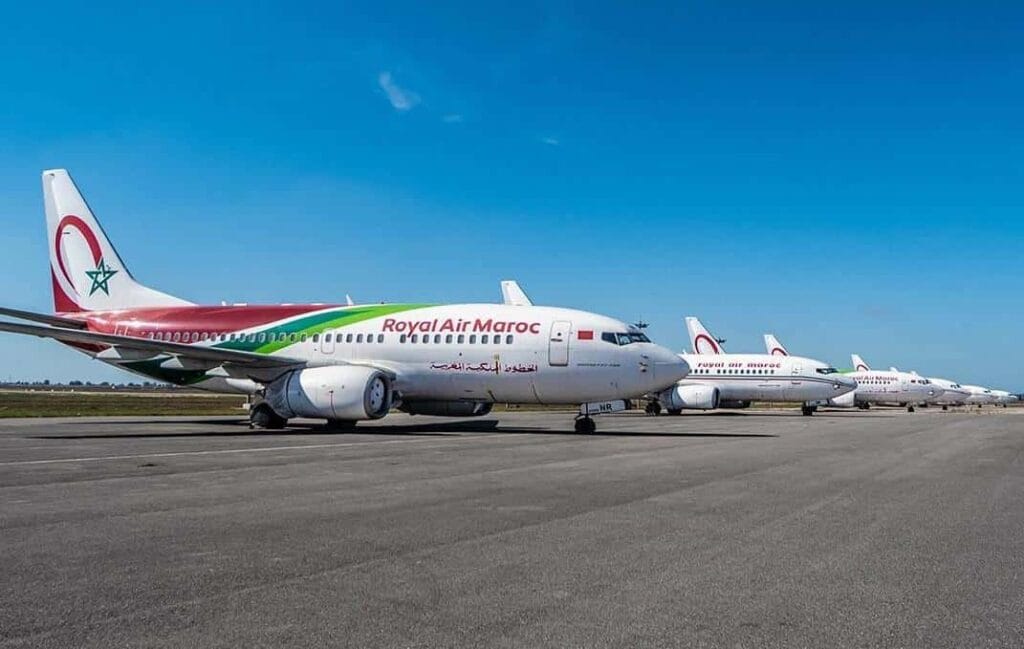
The national carrier, Royal Air Maroc (RAM), plays an equally strategic role. The airline plans to quadruple its fleet, growing from 50 to 200 aircraft by 2037. This expansion will allow RAM to increase flight frequencies on existing routes and open new direct connections to key fan markets across Europe, Africa, the Middle East, and the Americas.
Consequently, this enhanced connectivity is critical not only for the 2030 World Cup but also for strengthening Morocco’s appeal as a top tourist and business destination. By improving accessibility, RAM contributes directly to the kingdom’s economic development and international standing.
Navigating Challenges and Embracing Sustainability
Yet, the path to 2030 is not without its challenges. The scale and tight timeline of these projects require meticulous planning. Managing logistical complexities, ensuring top-tier security, and providing a world-class passenger experience during peak demand will test Morocco’s aviation authorities.
At the same time, Morocco demonstrates a strong commitment to environmental responsibility. The kingdom is well-positioned to become a regional leader in producing Sustainable Aviation Fuels (SAF), leveraging its significant investments in renewable energy, particularly solar and wind power. This focus on green aviation aligns with global decarbonization efforts and provides Morocco the opportunity to showcase a model of sustainable event hosting.
A Legacy Beyond the Final Whistle
The strategic enhancement of Morocco’s air transport network for the 2025‑2030 sporting era is an investment with long-term benefits. By building world-class airports and strengthening the national airline, Morocco is not just preparing to host major sporting events; it is laying the foundations for sustained economic growth, boosting tourism, and cementing its role as a global crossroads.
As the countdown to 2025 and 2030 begins, all eyes are on Morocco’s skies, watching a nation ready to soar toward an ambitious future.
From The Sky To The Land, Discover How the Kingdom’s Revitalized Railway Sector is Powering the 2030 Vision! Click Here
MoroccoBeat, Inspiring stories, positive energy, proudly Moroccan.