Photo by DilanArezzo via Pixabay
Major international tournaments are no longer defined solely by results on the pitch. The way an event is filmed, framed, and broadcast now plays a decisive role in how it is perceived worldwide. At AFCON 2025 in Morocco, that global image is being shaped by Moroccan audiovisual professionals operating at the highest technical standards.
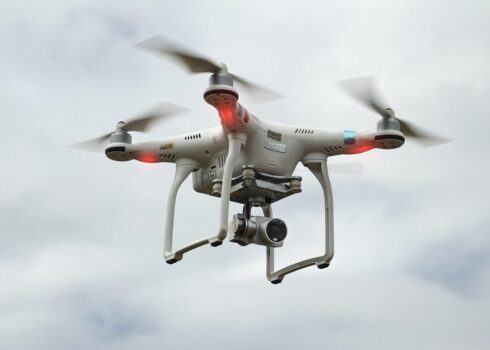
Among them is Mohsen Amane, a filmmaker and aerial imaging specialist who leads Amane Production. His work focuses on drone cinematography, a discipline that has become central to modern sports broadcasting and storytelling.
Showcasing Moroccan Cities from the Sky
Rather than limiting drone use to spectacular shots, the objective at AFCON 2025 is to build a coherent visual narrative. From Rabat and Fez to Marrakech and Agadir, aerial footage highlights stadium architecture, surrounding urban landscapes, and the atmosphere that defines each host city. These images offer viewers more than match coverage; they provide context and identity.
By capturing the scale of venues and the rhythm of the cities around them, Moroccan drone operators help present AFCON as both a sporting and cultural event. The result is a broadcast that reflects Morocco’s diversity and organizational ambition, reinforcing its image as a capable host for major international competitions.
Technical Precision and International Standards
Drone operations at AFCON 2025 take place within a highly regulated environment. Moroccan teams work alongside international production companies, adapting to strict broadcasting guidelines while contributing local expertise and creative input. This collaboration requires technical precision, constant coordination, and advanced equipment designed for complex stadium settings.
Preparation plays a crucial role. Teams assess weather conditions, test equipment, and coordinate with security and organizers well before matchday. Experience gained from previous global events, including the FIFA World Cup Qatar 2022, has proven essential in meeting these demands.
Through this behind-the-scenes work, Moroccan professionals are not only supporting AFCON 2025’s success but also strengthening Morocco’s reputation as a reliable partner in high-level sports broadcasting and audiovisual production.