
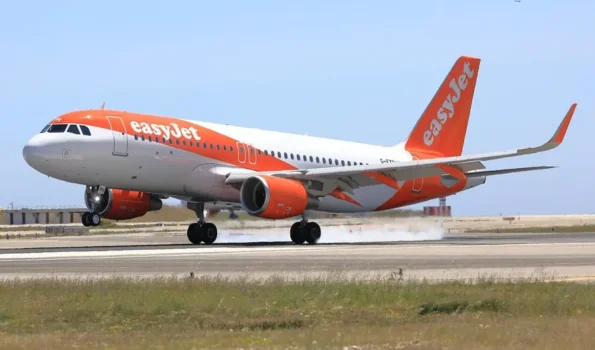
When an airline the size of easyJet decides to place its first base outside Europe in Morocco, it reflects confidence in a market that keeps growing. The low-cost carrier has been expanding flights to Moroccan cities for years, but opening a full base marks a deeper shift: Morocco is becoming a strategic hub, not only a destination.
A Long-Term Bet on Morocco’s Air Potential
The move signals how Morocco’s tourism appeal and its positioning between Africa and Europe continue to attract major aviation players. easyJet’s presence brings more than additional routes. A local base means aircraft stationed in the country, more frequent departures, and smoother connections to European cities that already send millions of travelers to Morocco every year.
The decision also aligns with the country’s steady rise as a competitive aviation market. With modernized airports, efficient ground services and strong tourism demand, cities like Marrakech, Agadir and Casablanca offer room for long-term airline growth.
Tourism Benefits from Stronger Low-Cost Connectivity
For visitors, the impact is direct. A base operated inside Morocco usually leads to better schedules, more choice, and lower average fares. This strengthens Morocco’s positioning as a destination where culture, coastlines, mountains and desert are all easily reached.
For Moroccans living abroad, especially in Europe, easier and more frequent flights mean better mobility throughout the year. And for the tourism sector, it adds a route network that brings steady traffic, a key advantage ahead of major events such as AFCON 2025 and the 2030 World Cup.
easyJet’s decision echoes what many global airlines have understood: Morocco is no longer only a place travelers want to reach; it is becoming a place where aviation brands want to invest. That shift tells its own story about where the country is heading.
Related: