Casablanca, Morocco’s largest city and economic capital, is undergoing a sweeping transformation. The city is embracing modern urban planning, sustainable infrastructure, and world-class public spaces, creating a future-ready metropolis. From massive transport hubs to iconic stadiums and green parks, these mega projects reflect Morocco’s ambition to combine innovation, sustainability, and urban beauty. Citizens and visitors alike will soon experience a city that moves faster, breathes greener, and shines brighter on the global stage.
Sidi Maârouf Interchange: Morocco’s First Three-Level Solution
The Sidi Maârouf Interchange is one of Casablanca’s most ambitious traffic projects. With a budget of 500 million dirhams, it is set to become Morocco’s first three-level interchange, designed to handle 140,000 vehicles daily. Beyond easing traffic congestion, this structure connects key districts, supporting economic growth and reducing travel times significantly. Engineers have implemented cutting-edge design techniques to ensure durability, efficiency, and safety, demonstrating Morocco’s leadership in large-scale urban planning.
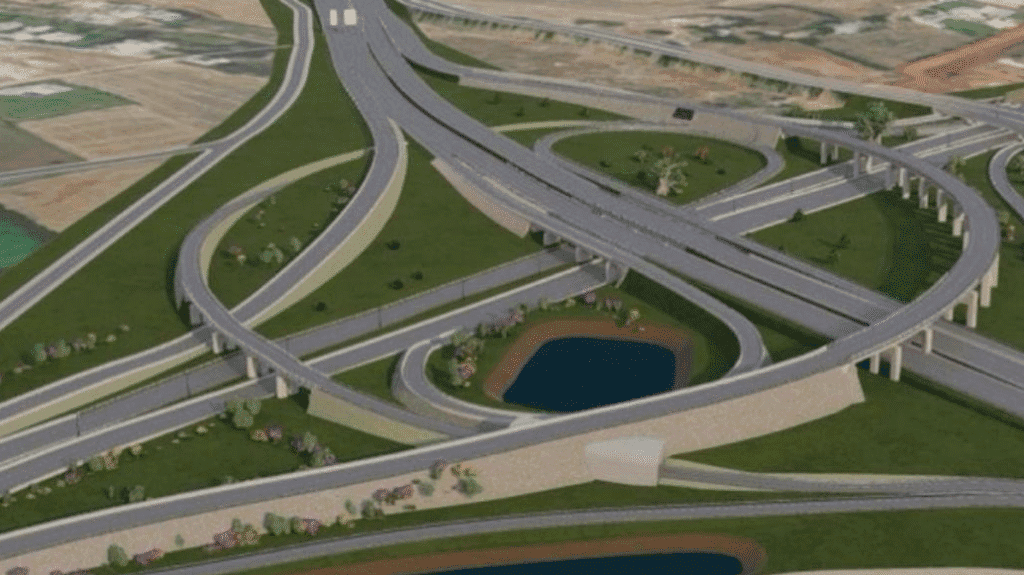
Sidi Maârouf Interchange
Aïn Harrouda Junction: Seamless Connectivity Between Cities
The Aïn Harrouda junction project is another testament to Morocco’s infrastructure vision. With a 750 million dirham investment, it features eight lanes in each direction and twelve major engineering structures. The project will dramatically improve connectivity between Casablanca, Mohammedia, and Aïn Harrouda, easing traffic and fostering regional commerce. Urban planners emphasize that the junction will not only facilitate daily commutes but also support the city’s long-term growth, integrating urban mobility with sustainable development.
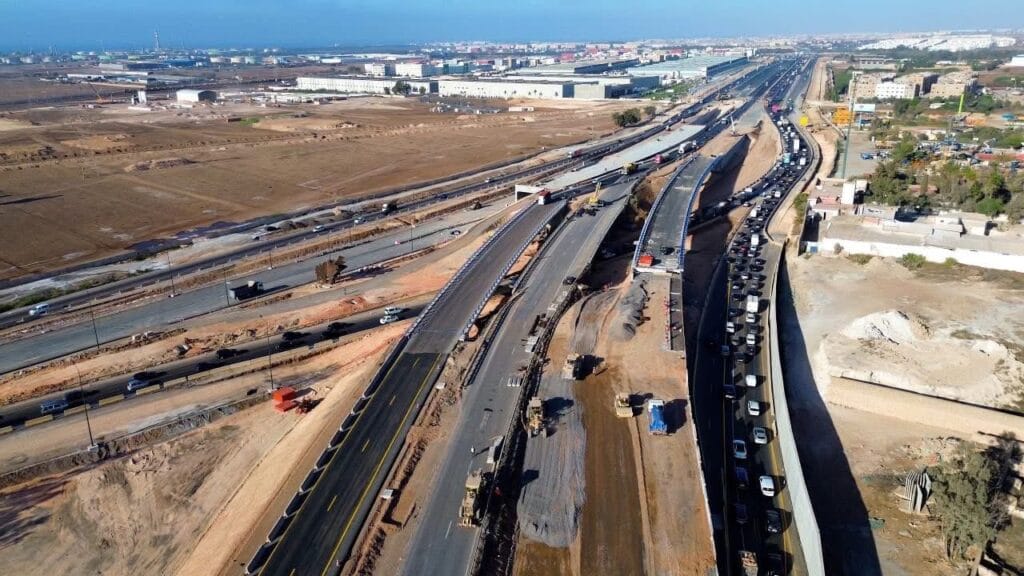
Aïn Harrouda Junction. By x.com/moroccoprojects
Hassan II Stadium : Sports at the Heart of Casablanca
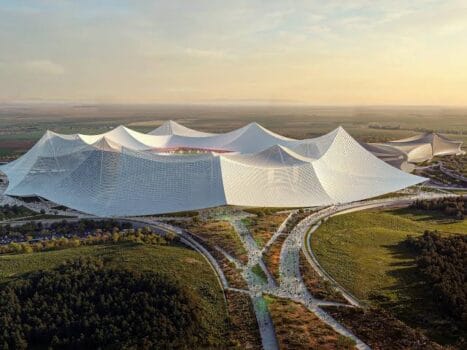
Morocco is preparing to launch one of the most ambitious sports projects in Africa: the Hassan II Stadium in Benslimane near Casablanca. Planned to host 115,000 spectators, it will become the largest stadium on the continent and a central venue for the 2030 FIFA World Cup, which Morocco will co-host with Spain and Portugal.. The stadium’s development reflects Morocco’s commitment to promoting culture, sports, and international engagement while preserving its architectural heritage.
For more details : Hassan II Stadium: Morocco’s 115,000-Seat Giant
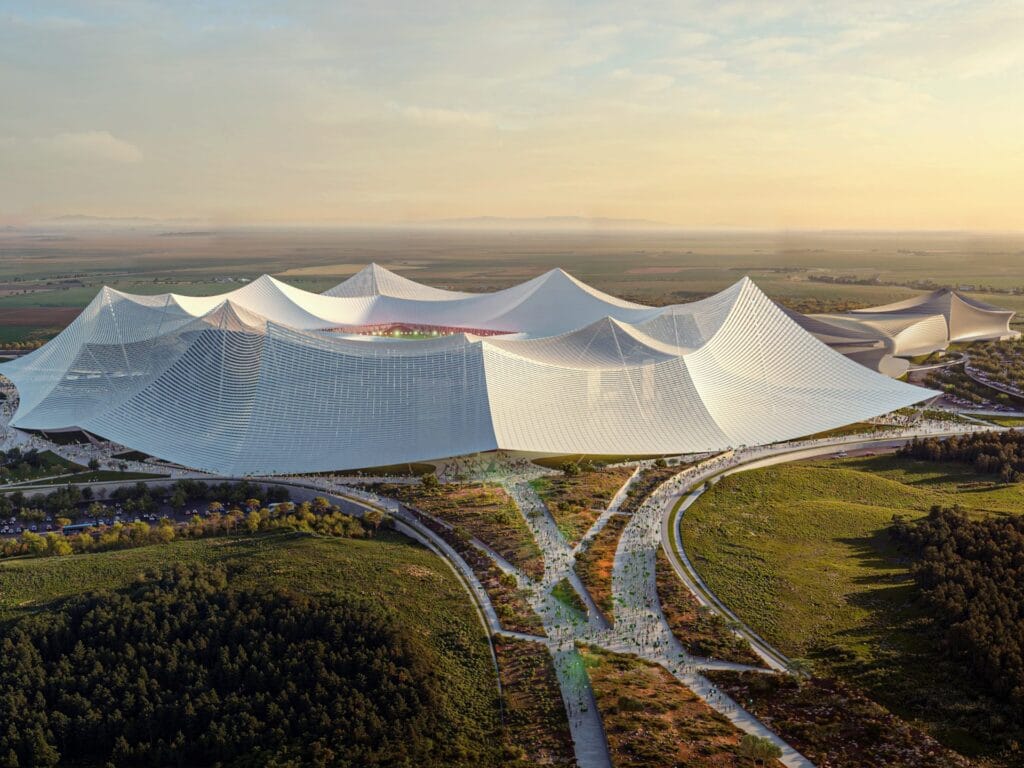
New Images Released of 115,000 Capacity Stade Hassan II Stadium in Casablanca | Populous
Revamping Casablanca Port: A Maritime Gateway
Casablanca’s port is being completely reimagined with a 5 billion dirham investment. The project includes a modern fishing port capable of handling 360 vessels, a new cruise terminal welcoming up to 450,000 passengers annually, a cutting-edge shipyard, and a new administrative complex. This revamp will strengthen Casablanca’s maritime industry, support tourism, and enhance trade capacity. By integrating modern logistics and eco-friendly design, the port will become a symbol of Morocco’s ability to combine economic growth with sustainability.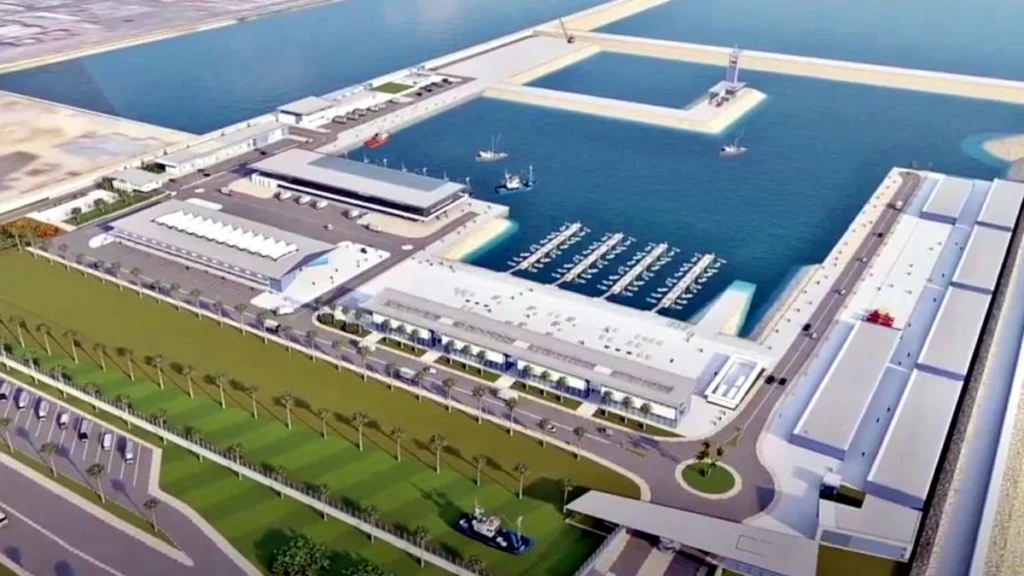
Urban Rail Network and New Train Stations: Efficient and Green Mobility
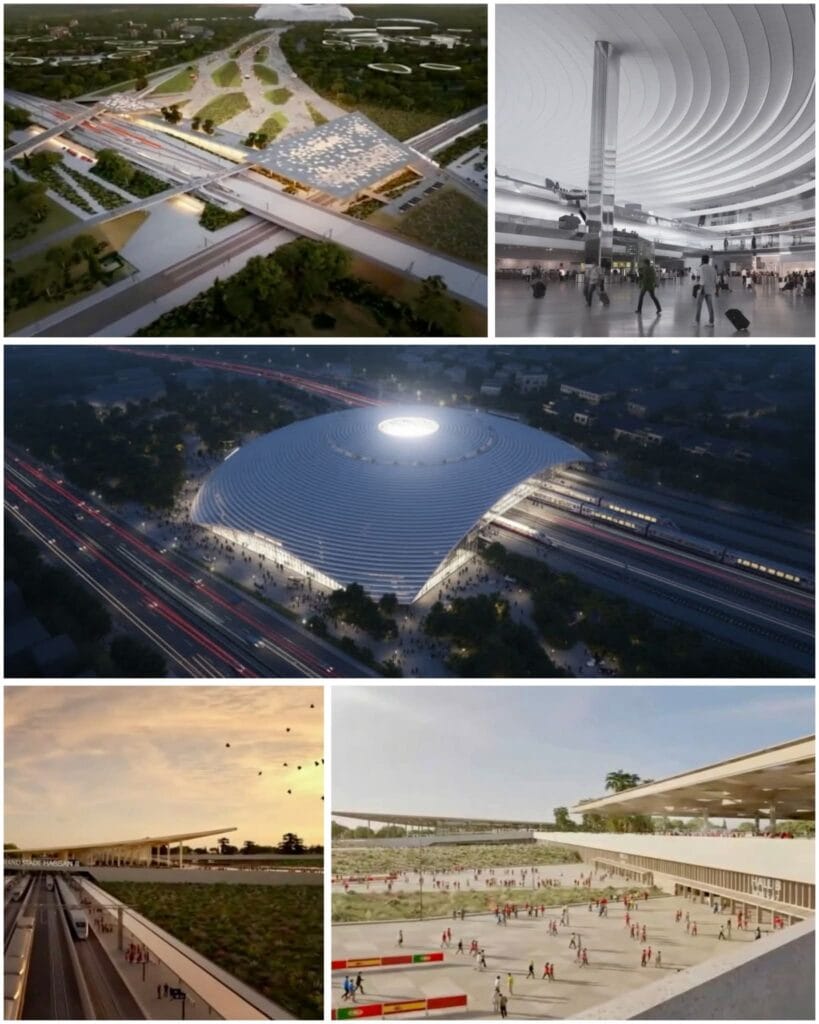
The city’s urban rail network is receiving unprecedented investment: 20 billion dirhams will fund three major lines connecting Casablanca’s key districts, business hubs, and suburban areas. New train stations are being built to accommodate the growing passenger demand, each equipped with modern facilities and accessibility features. Express trains will run every 15 minutes, and 48 new 1,000-seat train sets will drastically reduce traffic congestion while cutting 100,000 tons of CO₂ annually. This project exemplifies Casablanca’s commitment to green mobility, efficient transport, and a city designed for both people and the environment.
Mahaj Royal Park: A Green Heart for Casablanca
The Mahaj Royal Park, covering 50 hectares, is designed as Casablanca’s premier urban green space. With a 2 billion dirham budget, it will include walking paths, recreational zones, gardens, and areas for community events. The park enhances the city’s environmental quality, promotes outdoor activities, and creates a tranquil oasis amidst urban density. As Casablanca modernizes, green spaces like Mahaj Royal Park ensure residents enjoy a high quality of life while the city reduces its ecological footprint.
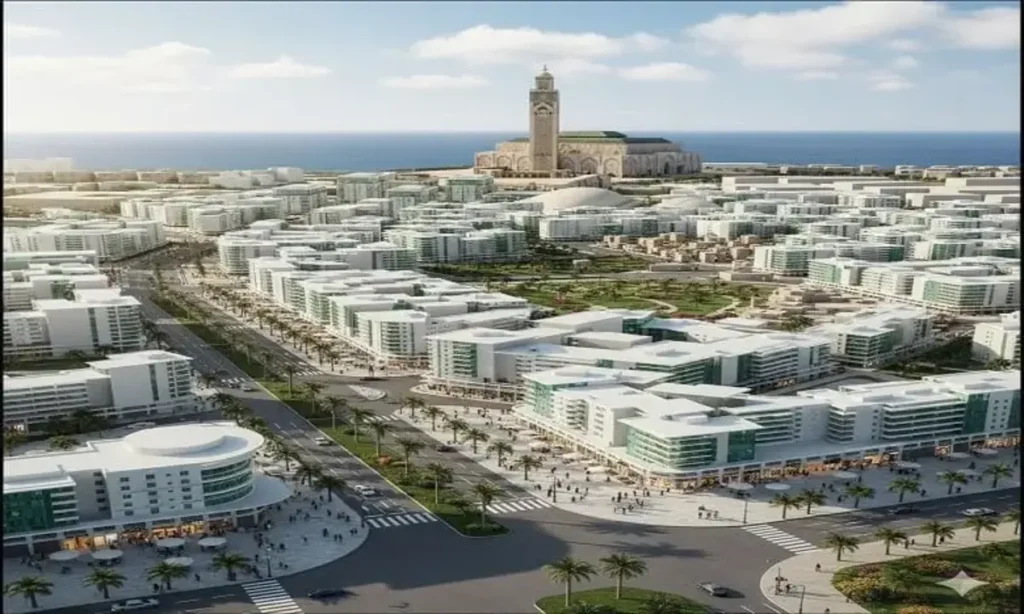
Mahaj Royal Park. Credit: hibapress
Mohammed V Airport New Terminal: Casablanca’s Global Gateway
Casablanca’s Mohammed V Airport is undergoing a major expansion with a 15 billion dirham investment. The new terminal will be a green, technologically advanced hub, capable of handling more passengers while reducing environmental impact. By positioning Casablanca as a global aviation center by 2030, the airport will strengthen Morocco’s connectivity, support international trade, and boost tourism. This ambitious project reflects the country’s vision of blending modernity with sustainable infrastructure.
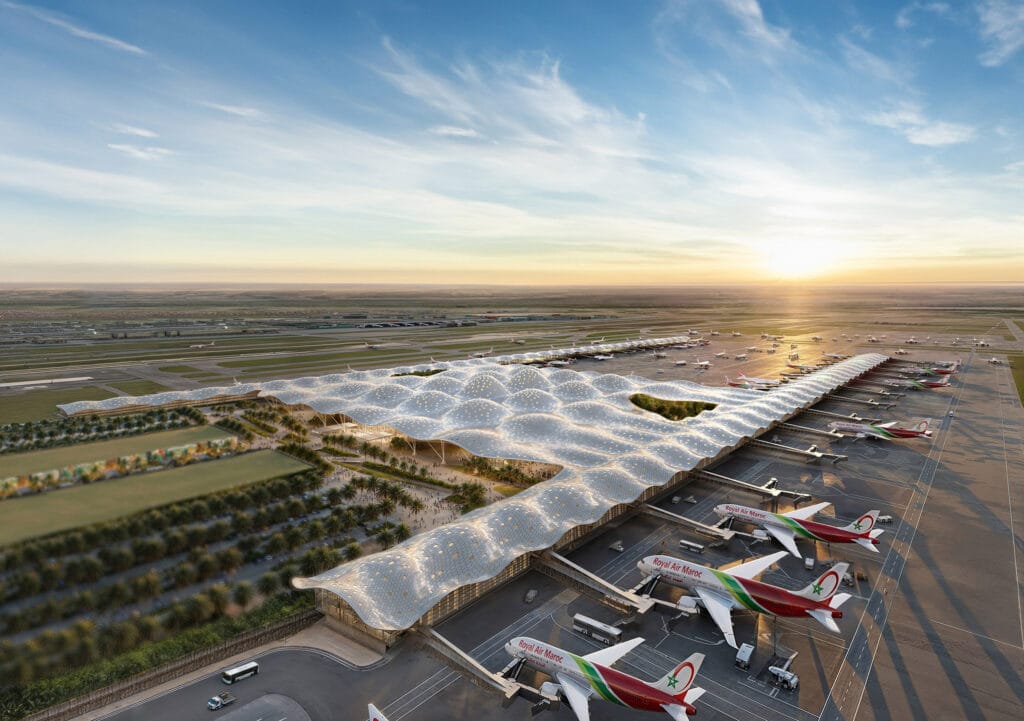
New Mohammed V airport
Casablanca Rising
Through these mega projects, Casablanca is emerging as a model city in Africa and the Arab world. From transport and stadiums to parks, ports, and airports, the city is embracing innovation, sustainability, and modern design. These initiatives highlight Morocco’s ability to transform urban spaces into vibrant, eco-friendly, and globally competitive hubs. Casablanca is not only evolving—it is thriving, offering residents and visitors a city that is efficient, green, and inspiring at every corner.