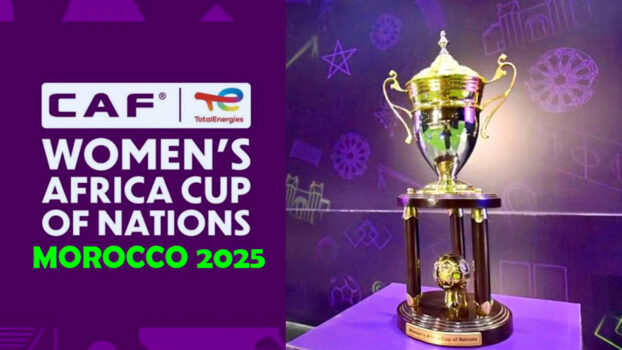
The Women’s Africa Cup of Nations 2026 promises high-intensity clashes from the group stage. Host nation Morocco has been drawn alongside Algeria and Senegal in Group A, forming what is already being described as the tournament’s “group of death”. Marked by strong rivalries and recent history, this group is expected to be the most closely followed of the competition, set to take place in March in Rabat.
Rabat to host a highly competitive Group A
As host of the Women’s AFCON 2026, scheduled from March 17 to April 3, Morocco will play all its Group A matches in Rabat, at the Moulay El Hassan Stadium. The group features Senegal, Algeria and Kenya, combining sporting quality, regional rivalry and strong symbolic significance.
This opening group is widely regarded as the toughest of the tournament, drawing particular attention due to lingering memories from recent continental competitions involving the same nations.
Recent tensions still fresh in memory
On the Algerian side, the 2025 Africa Cup of Nations ended with a quarter-final defeat to Nigeria. That match was followed by disciplinary sanctions imposed by the Confederation of African Football (CAF) on the Algerian Football Federation, after incidents involving players and supporters, including protests and behavior deemed contrary to competition regulations.
Another highly publicized episode came during the men’s AFCON final, when Senegal’s victory over Morocco was briefly overshadowed by controversy. The match was interrupted following a penalty awarded to the host nation, leading Senegalese players to temporarily leave the pitch before returning. The incident was described as unacceptable by both CAF and FIFA and remains under investigation by the continental body.
Football to take center stage once again
The Women’s AFCON will therefore begin in a particularly charged context. This time, however, the focus is expected to return fully to the pitch. Drawing on its proven experience in hosting major African and global sporting events, Morocco aims to provide an environment worthy of the competition, allowing performances, fair play and women’s football to shine.
An expanded tournament with global stakes
The 2026 edition marks a significant step forward for women’s football in Africa, with 16 teams competing, up from 12 in the previous tournament. The top two teams from each group will advance to the quarter-finals.
The four semi-finalists will secure direct qualification for the 2027 Women’s World Cup in Brazil, while the teams eliminated at that stage will still have a chance through intercontinental play-offs, raising the stakes of every match.