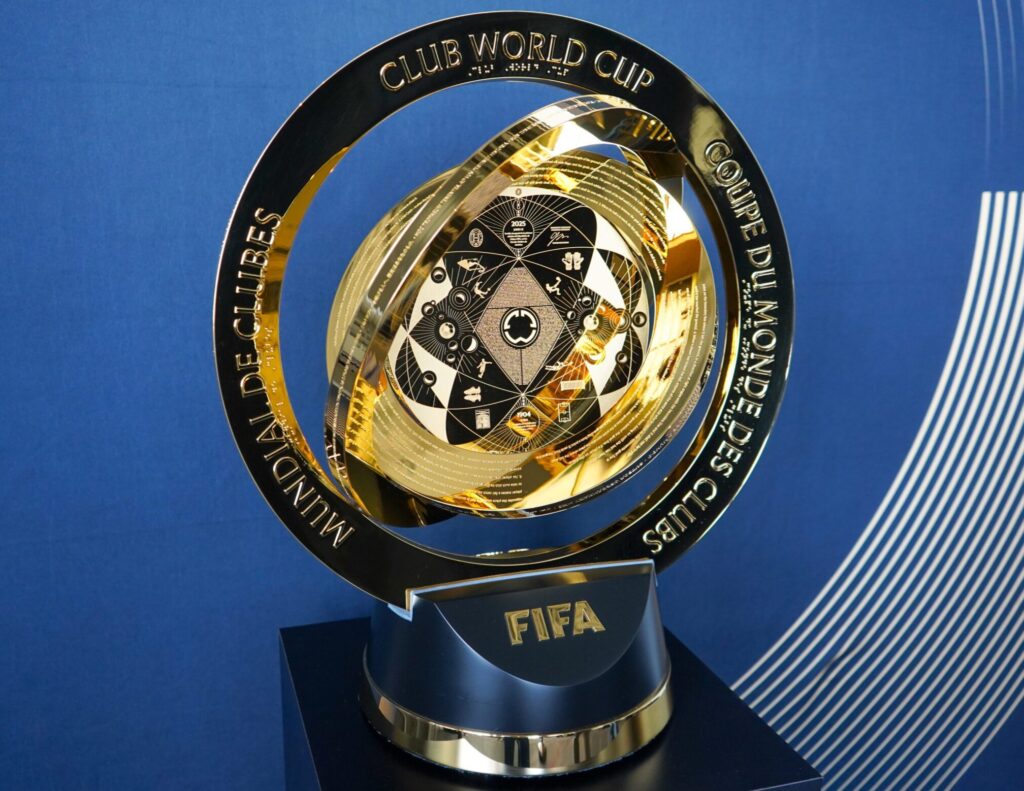
FIFA Club World Cup Trophy. Image Source: discoverphl.com
Estimated reading time: 3 minutes
Morocco and Spain are reportedly the leading candidates to host the 2029 FIFA Club World Cup, according to The Guardian. In a move that could redefine global club football, the tournament is also tipped for a massive expansion to 48 teams, aligning it with the new format of the international World Cup.
The Road to 2030: A Strategic Rehearsal
For Morocco and Spain, the 2029 Club World Cup represents more than just a trophy; it is a critical operational test. Hosting a 48-team club tournament just one year before the 2030 FIFA World Cup allows both nations to fine-tune stadium operations, transport logistics, and security protocols on a global scale.
| Tournament Aspect | 2029 Proposal (New) | Previous Formats |
|---|---|---|
| Team Count | 48 Teams (Projected) | 7 – 32 Teams |
| Host Status | Morocco & Spain (Favorites) | Single Nation Hosts |
| Key Objective | World Cup 2030 Readiness | Continental Champion Showdown |
Bridging the FIFA-UEFA Divide
The momentum for this bid comes as institutional relations between FIFA President Gianni Infantino and UEFA President Aleksander Čeferin continue to improve. Initial concerns over “calendar congestion” have reportedly been eased with assurances that the Club World Cup will not be staged every two years, protecting the sanctity of the UEFA Champions League.
Morocco’s Proven Track Record
Morocco is no stranger to the FIFA spotlight. Having successfully hosted the Club World Cup in 2013, 2014, and 2023, the Kingdom has established a reputation for world-class hospitality and flawless execution. While the 48-team expansion poses a larger logistical challenge, Morocco’s recent upgrades for the 2025 AFCON demonstrate that the nation is ready for a tournament of this magnitude.
Why This Matters for Fans
A 48-team tournament means more European giants (Real Madrid, Man City, PSG) playing on Moroccan and Spanish soil, more global commercial interest, and a massive boost to the local tourism sector. It cements Morocco’s position as the global capital of football in the lead-up to 2030.